

Today's Classics: Recommended classical music and great performances to listen to today

If you’re reading this article, you probably love classical music.
You likely know a fair number of composers and performers already—and to be honest, you might be a bit tired of some of them—so perhaps you’re also on the lookout for pieces and composers you don’t yet know.
In this article, for everyone enjoying a wonderful classical-music life, we introduce daily reviews of recommended composers and performers, as well as timeless masterpieces and great performances from across the ages.
Alongside symphonies, you’ll sometimes find concertos, sometimes solo piano or violin, and perhaps even contemporary works or pieces for wind band!
You’re sure to discover classical music that will brighten your day.
- Classical Masterpieces: Recommended Works You Should Hear at Least Once
- Timelessly beautiful classical masterpieces. Recommended classical music.
- [Orchestra] Introducing famous and popular pieces
- Cool classical masterpieces. Recommended classical music.
- Classical masterpieces. Recommended classical music.
- Dvořák’s masterpiece. Popular classical music.
- J.S. Bach | Introducing Famous and Representative Works
- Masterpieces of Ballet Music: Introducing Classic Favorites
- Cello Masterpieces: A comprehensive introduction to exquisite classical works that let you savor its profound timbre
- A poignant classic masterpiece. Recommended classical music.
- [Masterpiece Classics] A special showcase of gem-like masterpieces so beautiful they’ll move you to tears
- [Tchaikovsky] Pick up famous and representative pieces!
- Morning Classics | A selection of classic masterpieces recommended for those who want to wake up feeling great
[Today’s Classics] Recommended classical music and masterful performances to listen to today (11–20)
Sword DanceAram Khachaturian

The spotlight on the marimba and timpani runs from start to finish.
It seems like I’d wake up instantly if I used it as an alarm.
If you try humming along, the speed and intricate rhythms will tie your mouth in knots.
I imagine it’s incredibly demanding for the musicians who actually play the instruments.
No. 153 from Mikrokosmos: Six Dances in Bulgarian RhythmBartók Béla
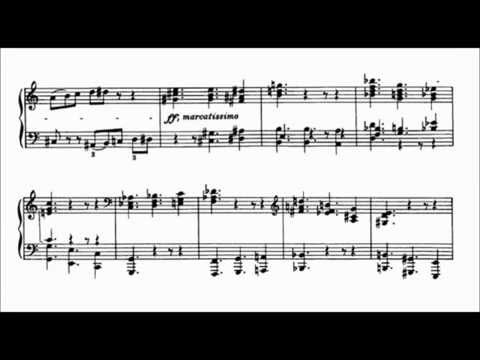
An upbeat and cool piece for solo piano, packing a 3+3+2 rhythmic structure and an unforgettable melody into just over a minute and a half—simple yet filled with a mysterious sense of exhilaration.
It’s the very last piece in the etude collection called “Mikrokosmos.”
Transcendental Étude No. 4 in D minor, “Mazeppa”Franz Liszt

It was used in the commercial for Casio’s digital piano, Privia.
The video includes sheet music, so I hope you’ll check it out.
I’m completely overwhelmed—both visually and aurally—by the densely packed notes and the torrent of sound.
Overture from the opera “La gazza ladra” (The Thieving Magpie)Gioachino Rossini

It’s a piece that appears in Haruki Murakami’s The Wind-Up Bird Chronicle.
The protagonist whistles along to it while listening to FM radio and boiling spaghetti.
The Thieving Magpie is introduced as the piece that signals the beginning of the story.
If you’re not into opera, you probably wouldn’t have many chances to hear it, but I imagine many people bought the CD after reading the novel.
Dies Irae from RequiemGiuseppe Verdi

This work, one of the Catholic Mass settings, was composed by Verdi in memory of the Italian literary giant Alessandro Manzoni and premiered on May 22, 1874, the first anniversary of Manzoni’s death, at the Church of San Marco in Milan.
Along with the works of Mozart and Fauré, it is regarded as one of the “Three Great Requiems.” “Dies Irae” is the second movement within it.

Hungarian Dance No. 5Johannes Brahms

Originally composed as a set of piano duets for four hands, the Hungarian Dances consist of 21 pieces.
Among them, No.
5—arranged for orchestra—is particularly famous and popular.
In addition to the orchestral version, there are also versions for violin and for solo guitar.
[Today’s Classics] Recommended classical music to listen to today and a collection of great performances (21–30)
Unaccompanied Cello SonataKodály Zoltán

This is a virtuoso piece performed by changing the cello’s string tuning.
Yo-Yo Ma’s version is famous, but I recommend Starker’s.
The cello is treated not only as a string instrument but also in a percussion-like manner, and I’m left speechless by the wild, Central Asian flavor of the performance.