

[Challenge] Stimulate your intellectual curiosity with a general knowledge quiz you might not know!


Japan has a wide variety of historical events, historic buildings, traditions, and culture.
There’s a lot you learn in school, but it’s nearly impossible to know everything about Japan just from classes alone.
Still, there are bits of Japanese trivia and common knowledge we’d love for you to know! In this article, we’ll present quizzes on Japanese trivia and general knowledge.
Some of it overlaps with what you learn in class, but we also cover related events and things that have become common knowledge over Japan’s long history.
Try the quizzes and get to know Japan even better!
- It never hurts to know! General knowledge quiz
- General knowledge quiz time! From trivia to questions about Japan and the world
- [Interesting] Compilation of Trivia Quiz Questions
- Useful right away in daily life! Surprising trivia and handy tips
- [Killing Time] A Collection of Fun Trivia Quizzes You'll Want to Share with Someone
- A quiz of fun trivia: bite-sized knowledge that leads to new insights.
- Let’s take on the challenge! A multiple-choice history quiz for elementary school students. Review your history lessons.
- Fun facts you’ll want to share! January trivia and tidbits special
- [General] Surprisingly unknown? Test your geography skills with a three-choice quiz on Japan’s prefectures
- True-or-false quiz for adults: a full roundup from common-sense questions to surprising trivia!
- Trivia quiz about schools: a roundup of fun facts you’ll want to brag about
- Aim for a perfect score! A three-choice common knowledge quiz that deepens your understanding
- So interesting you’ll want to tell someone! December Trivia & Fun Facts Special
Japanese Trivia & General Knowledge Quiz (1–10)
What is the oldest era name in Japan?
See the answer
Taika
Japan’s oldest era name is “Taika,” pronounced “taika.” Taika was established in 645. This change of era was linked to a major political reform known as the Taika Reform, through which the first era name in Japanese history was proclaimed. The Taika Reform was part of a series of efforts to establish a ritsuryō state, and since then, era names have long been used as period designations in Japan.

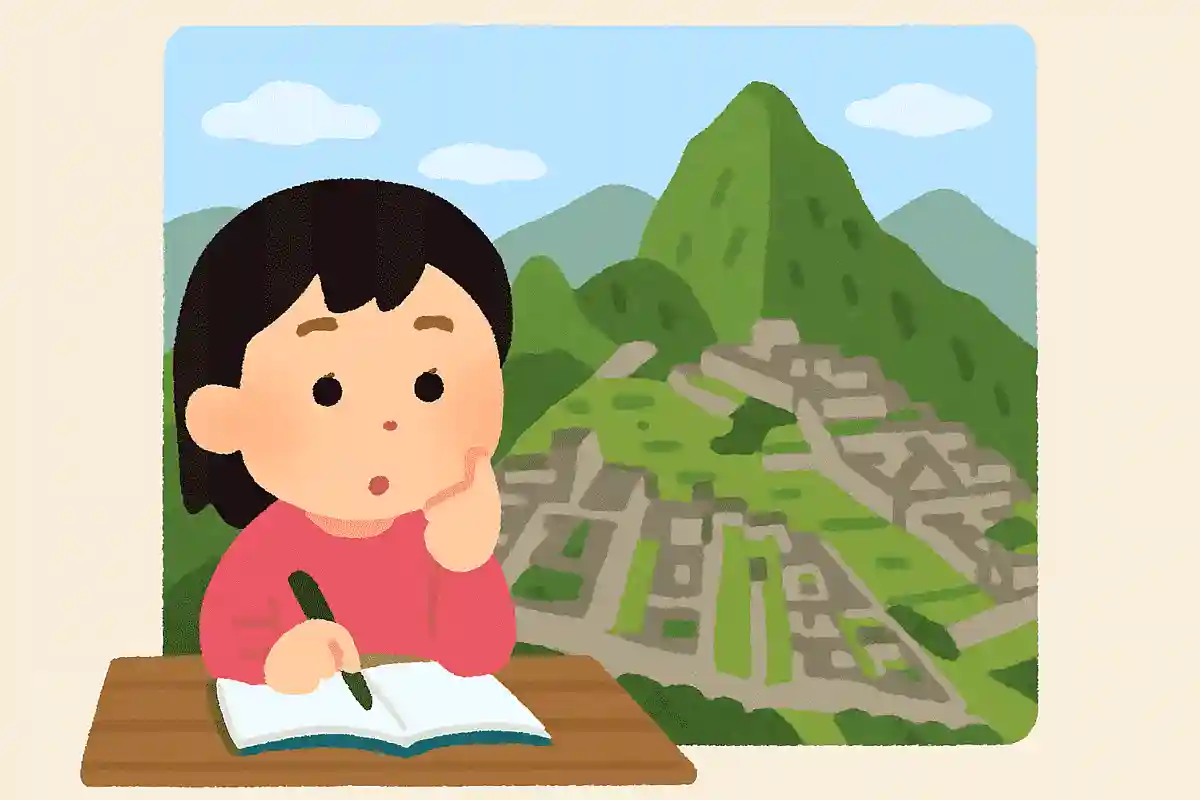
Where is the place known as the ‘Machu Picchu of Japan’?
See the answer
Takeda Castle
Japan’s “Machu Picchu” refers to Takeda Castle in Hyogo Prefecture. Takeda Castle sits atop a mountain at an elevation of 353.7 meters and is known as the “castle in the sky” or a castle floating in a sea of clouds. Because of its appearance above the clouds and the beauty of its ruins, it is sometimes called Japan’s Machu Picchu.
Who was Japan’s first Prime Minister?

See the answer
Hirobumi Ito
Hirobumi Ito was Japan’s first Prime Minister and one of the central political figures from the early Meiji government. He assumed office as the inaugural Prime Minister on December 22, 1885, when the cabinet system was established in Meiji 18, and subsequently served as Prime Minister a total of four times.
Japanese Trivia and General Knowledge Quiz (11–20)
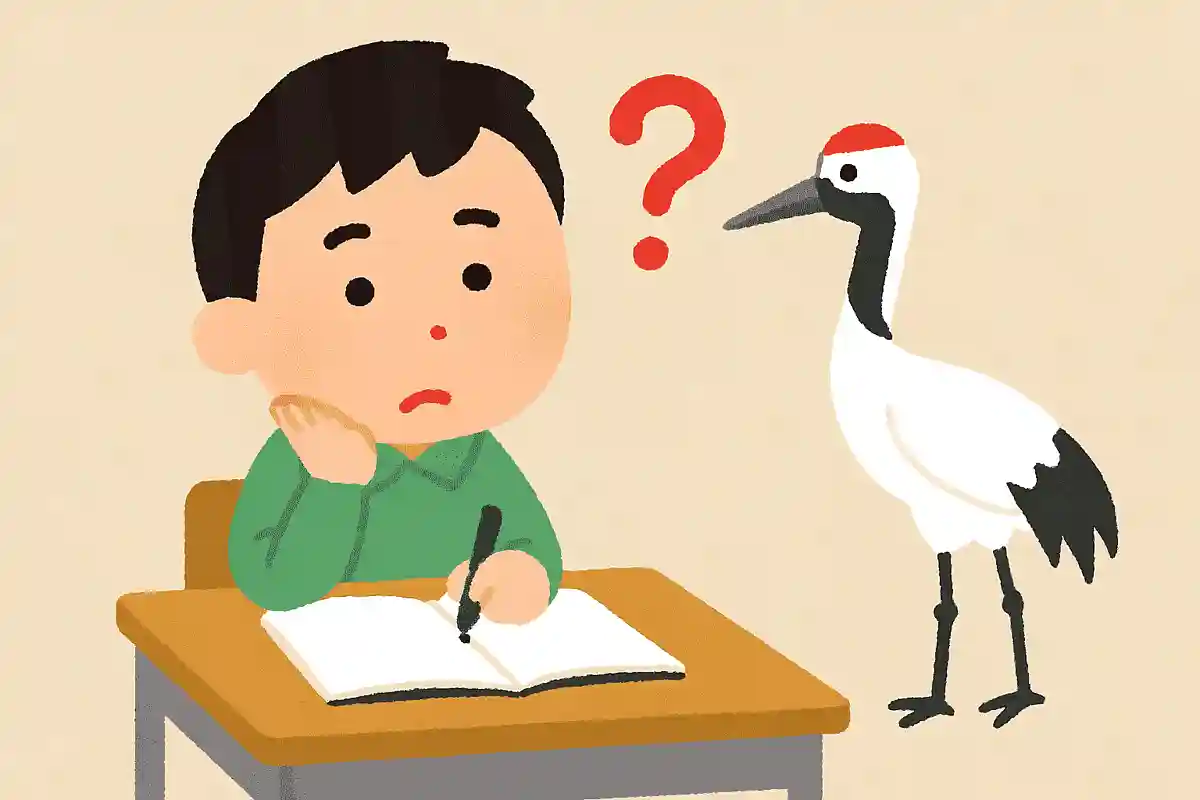
What bird is designated as Japan’s national bird?
See the answer
pheasant
Japan’s national bird is the pheasant. The pheasant is widely cherished as a wild bird in Japan and often appears as a subject in traditional culture. Its beautiful plumage and habits are loved by many people. In Japan, it has long been called the “noble of the mountains,” and is known both as game and as a bird that heralds the arrival of spring.
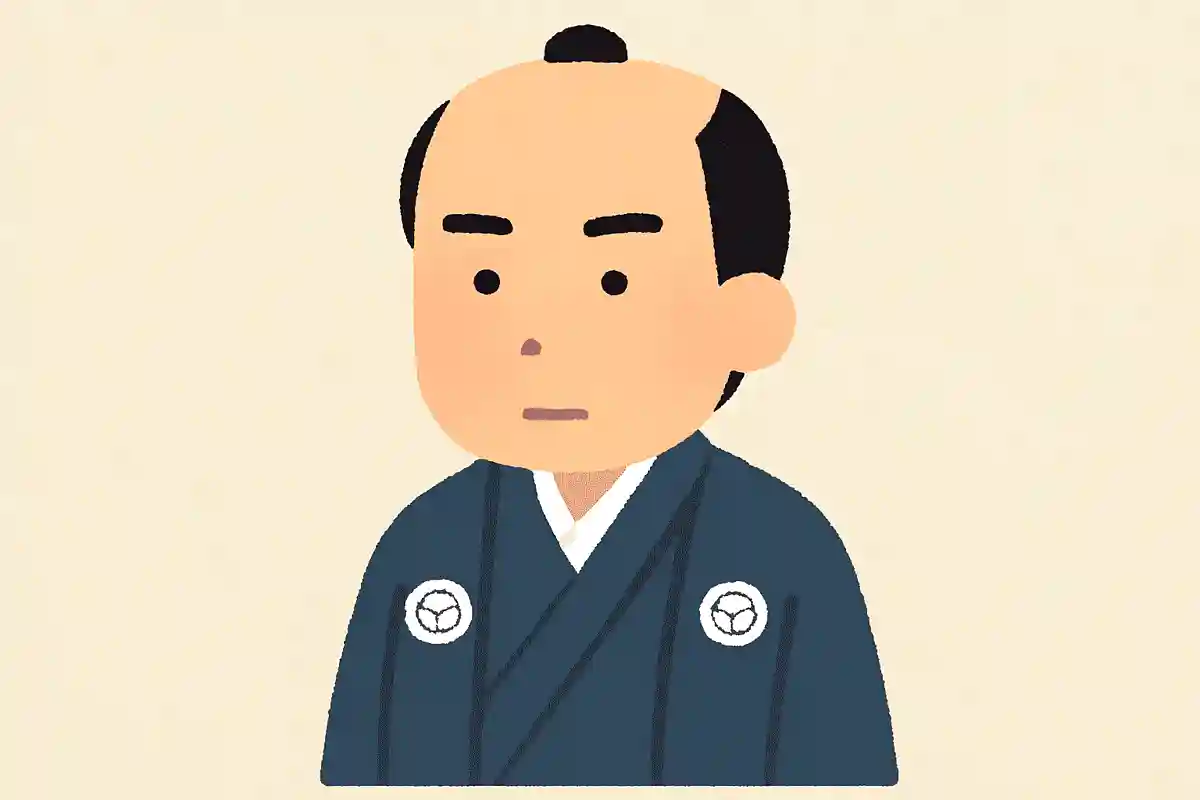
Who was the last shogun of the Tokugawa shogunate, also known for carrying out the Taisei Hokan (the restoration of imperial rule)?
See the answer
Tokugawa Yoshinobu
Tokugawa Yoshinobu was the 15th and last shogun of the Tokugawa shogunate. In 1867, he carried out the Taisei Hokan (the restoration of political power to the emperor), leading to the end of the Edo shogunate. The Taisei Hokan is an important historical event that symbolizes the end of the Edo period’s feudal domain system.
Which prefecture has the smallest area?
See the answer
Kagawa Prefecture
Among Japan's prefectures, the one with the smallest area is Kagawa. Kagawa covers approximately 1,877 square kilometers, and within this compact area, the beautiful nature and culture facing the Seto Inland Sea in Shikoku are concentrated. Famous as a center for udon noodles, Kagawa is also a popular tourist destination—a small yet captivating prefecture.
Until what year did the Showa era continue?
See the answer
The year 1989 (Showa 64)
The Showa era began in 1926 and ended on January 7, 1989 (Showa 64), with the passing of Emperor Showa. Showa 64 lasted only seven days, and from the following day, January 8, the new era name became Heisei.