

[Challenge] Stimulate your intellectual curiosity with a general knowledge quiz you might not know!


Japan has a wide variety of historical events, historic buildings, traditions, and culture.
There’s a lot you learn in school, but it’s nearly impossible to know everything about Japan just from classes alone.
Still, there are bits of Japanese trivia and common knowledge we’d love for you to know! In this article, we’ll present quizzes on Japanese trivia and general knowledge.
Some of it overlaps with what you learn in class, but we also cover related events and things that have become common knowledge over Japan’s long history.
Try the quizzes and get to know Japan even better!
- It never hurts to know! General knowledge quiz
- General knowledge quiz time! From trivia to questions about Japan and the world
- [Interesting] Compilation of Trivia Quiz Questions
- Useful right away in daily life! Surprising trivia and handy tips
- [Killing Time] A Collection of Fun Trivia Quizzes You'll Want to Share with Someone
- A quiz of fun trivia: bite-sized knowledge that leads to new insights.
- Let’s take on the challenge! A multiple-choice history quiz for elementary school students. Review your history lessons.
- Fun facts you’ll want to share! January trivia and tidbits special
- [General] Surprisingly unknown? Test your geography skills with a three-choice quiz on Japan’s prefectures
- True-or-false quiz for adults: a full roundup from common-sense questions to surprising trivia!
- Trivia quiz about schools: a roundup of fun facts you’ll want to brag about
- Aim for a perfect score! A three-choice common knowledge quiz that deepens your understanding
- So interesting you’ll want to tell someone! December Trivia & Fun Facts Special
Japanese Trivia and General Knowledge Quiz (11–20)
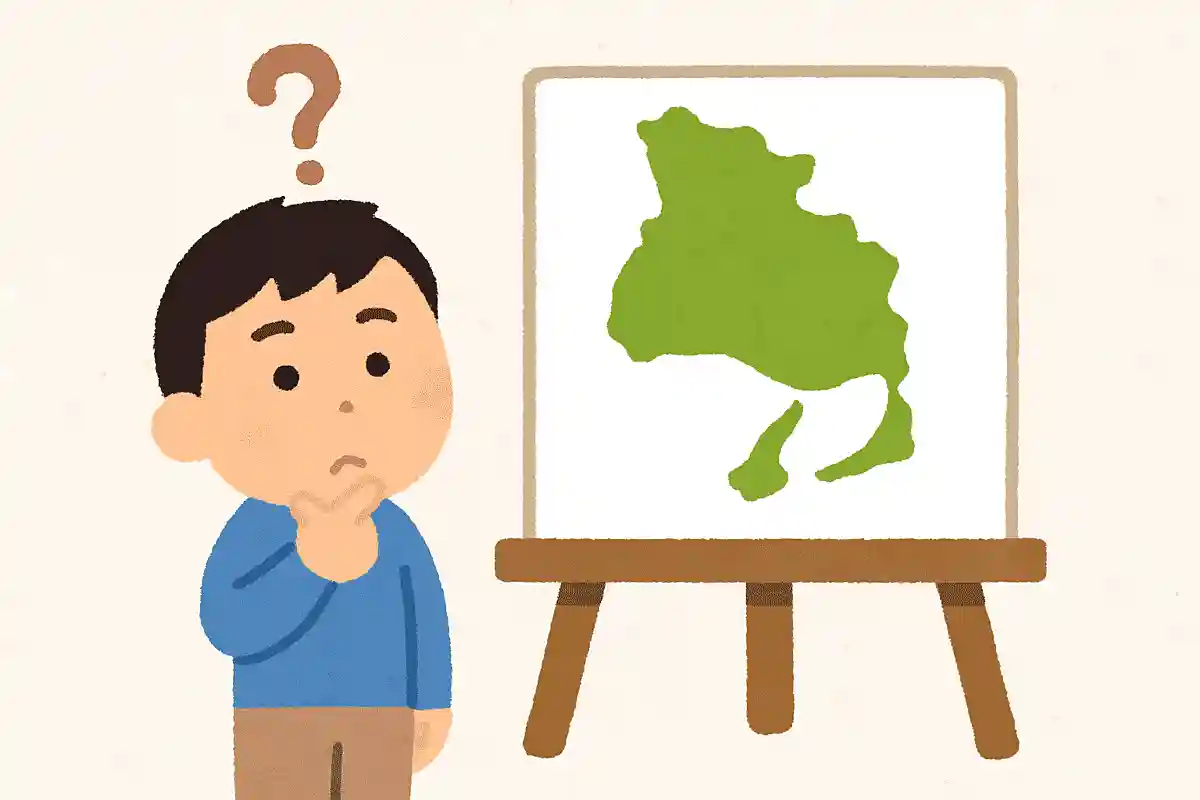
Which prefecture is Koshien Stadium located in?
See the answer
Hyogo Prefecture
Koshien Stadium is located in Nishinomiya, Hyogo Prefecture. It opened in 1914 and has become a sacred site for high school baseball, serving as the stage for events such as the Spring Invitational High School Baseball Tournament and the Summer National High School Baseball Championship. It is also famous as the home stadium of the professional baseball team Hanshin Tigers, so some people might think it’s in Osaka Prefecture.

What is the longest river in Japan?

See the answer
Shinano River
Japan’s longest river is the Shinano River, which flows across Niigata and Nagano Prefectures. It is 367 km long and connects to the Sea of Japan. In terms of basin area, it ranks third after the Tone River and the Ishikari River. By the way, the Shinano River is called the Chikuma River when it enters Nagano Prefecture.

What do you call soy sauce at a sushi restaurant?

See the answer
purple
At sushi restaurants, soy sauce is called “murasaki.” There are various theories about the origin, but it’s said that in the past, reddish-brown was referred to as “purple,” and because the soy sauce dripped into a small dish looked reddish-brown, people began calling it “murasaki.”
What age is celebrated by the term “hakujū” (white longevity)?
See the answer
99 years old
Hakujū is a term used to celebrate reaching the age of 99. It comes from the idea that if you remove the top horizontal stroke from the character for “hundred” (百), it becomes “white” (白), and since 100 minus 1 equals 99, the 99th year is called Hakujū. Incidentally, 100 years old is called Hyakujū or Kiju.
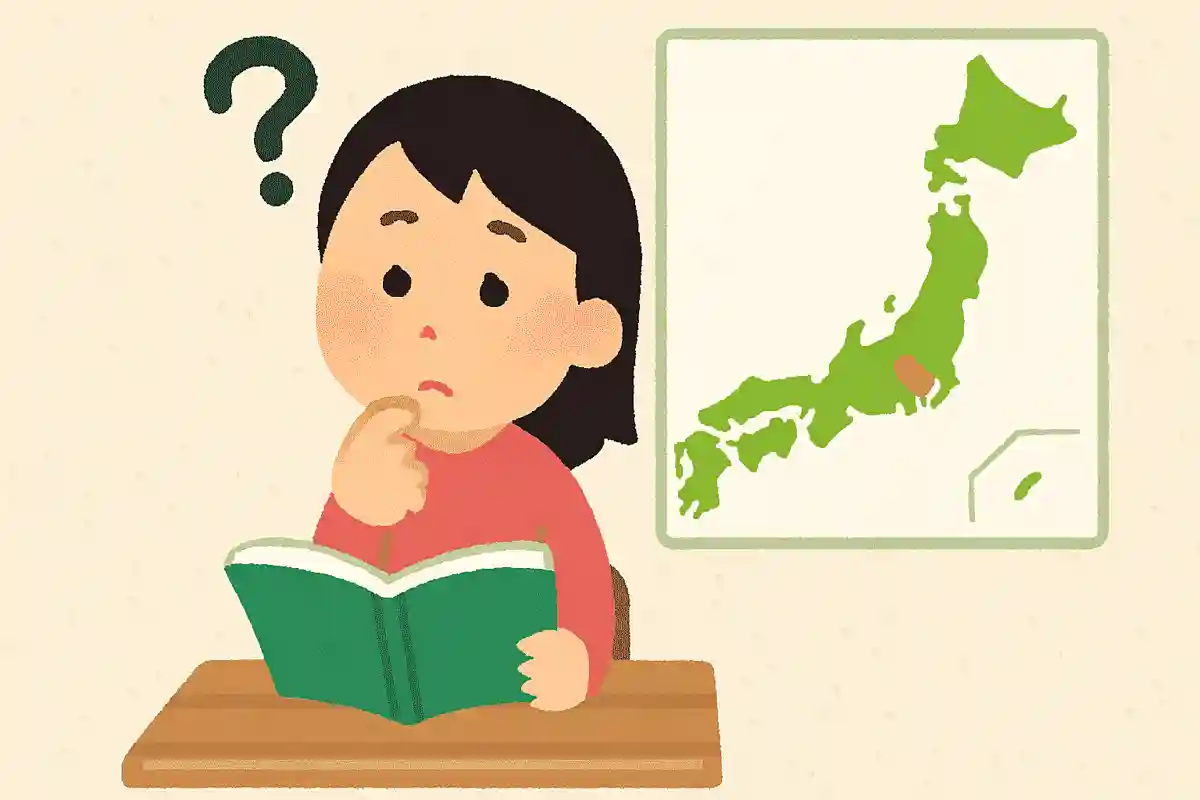
In which present-day prefecture did the Battle of Sekigahara take place?
See the answer
Gifu Prefecture
The Battle of Sekigahara, launched by Tokugawa Ieyasu and Ishida Mitsunari as a decisive clash for dominion, took place in what is now Gifu Prefecture. Fought in 1600 over who would take power after Toyotomi Hideyoshi, it saw the participation of illustrious warlords such as Date Masamune and Uesugi Kagekatsu.
What do you call the celebration for the 88th birthday?

See the answer
88th birthday (Beiju)
The celebration of longevity at age 88 is called “beiju.” This comes from the fact that the kanji character for rice (米) resembles the number eighty-eight. In Japan, longevity celebrations have various names, each imbued with special meanings tied to specific ages. Among them, beiju marks an especially advanced age and is regarded as a significant milestone celebrated by many.
World Knowledge and International Common Sense Quiz (1–10)
Which country is home to Salar de Uyuni, known as the world’s largest salt flat?

See the answer
Bolivia
Salar de Uyuni is located in Bolivia. It lies within the Andes at an elevation of over 3,000 meters above sea level. Isolated from the outside world, salts accumulated there, forming the vast salt flats we see today. During the rainy season, the lake surface reflects light like a mirror, creating the famous mirror-like scenery.