

![[Challenge] Stimulate your intellectual curiosity with a general knowledge quiz you might not know!](https://media.ragnet.co.jp/img/1200__png__https://www.ragnet.co.jp/files/2025/04/710266065490404d304136c6a2ca0f24.webp)
[Challenge] Stimulate your intellectual curiosity with a general knowledge quiz you might not know!


Japan has a wide variety of historical events, historic buildings, traditions, and culture.
There’s a lot you learn in school, but it’s nearly impossible to know everything about Japan just from classes alone.
Still, there are bits of Japanese trivia and common knowledge we’d love for you to know! In this article, we’ll present quizzes on Japanese trivia and general knowledge.
Some of it overlaps with what you learn in class, but we also cover related events and things that have become common knowledge over Japan’s long history.
Try the quizzes and get to know Japan even better!
Japanese Trivia & General Knowledge Quiz (1–10)
How many meters tall is the Tokyo Skytree?

See the answer
634 meters
The official height of Tokyo Skytree is 634 meters. Opened in 2012, this tower is the tallest freestanding broadcasting tower in Japan and is also very popular as a tourist attraction. The height “634” is a reference to Musashi, an old name for the Tokyo area.

What is the most common surname in Japan?

See the answer
Sato
The most common surname in Japan is Sato. The origin of the Sato surname is said to date back to the Heian period, beginning when Sato Norikiyo, a grandson of Minamoto no Yoshiie, adopted the name. Through the formation of many branch families and lineages that spread across the country, it has become the most frequently seen surname today.
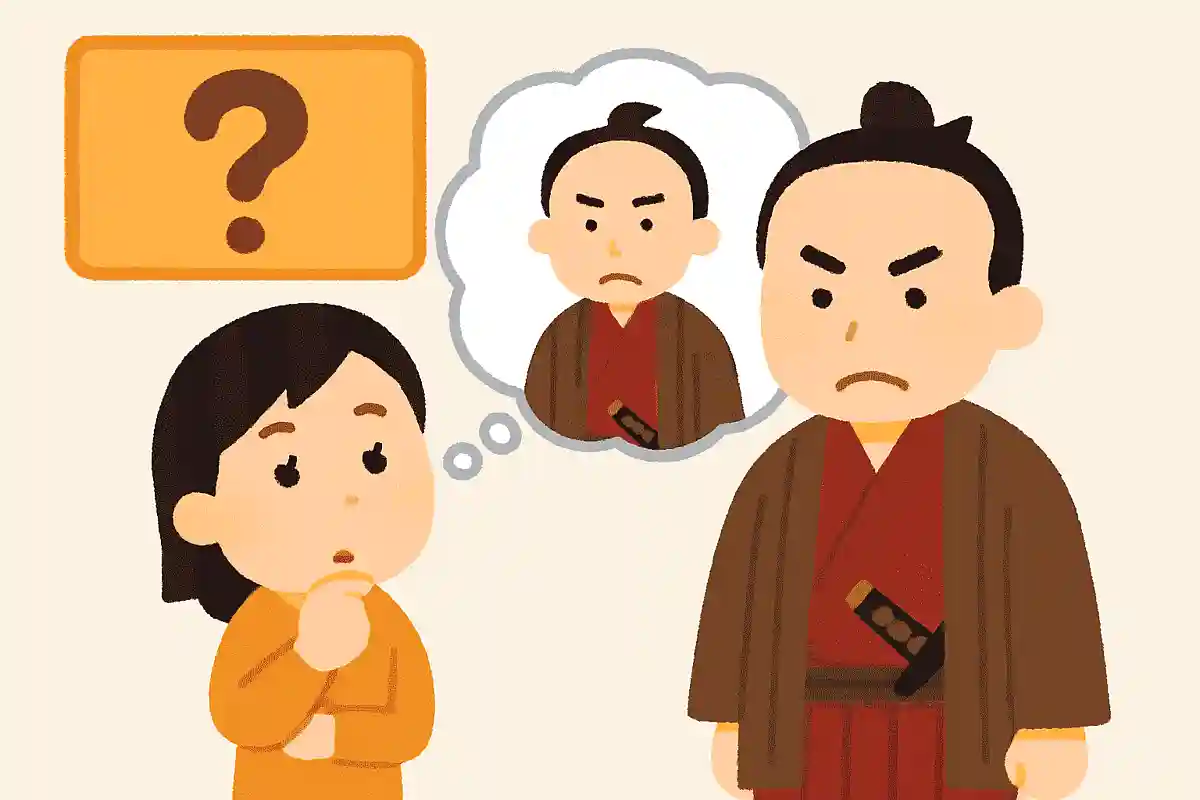
Who led the Satsuma Rebellion, known as the last civil war in Japan?
See the answer
Takamori Saigo
The Satsuma Rebellion was an armed uprising led by disaffected former samurai who, based in Kagoshima Prefecture, took up arms against the Meiji government. The leader of this war was Saigo Takamori, who was active from the late Edo period through the Meiji Restoration. A former samurai of the Satsuma Domain, he fought in opposition to the new policies of the Meiji government.
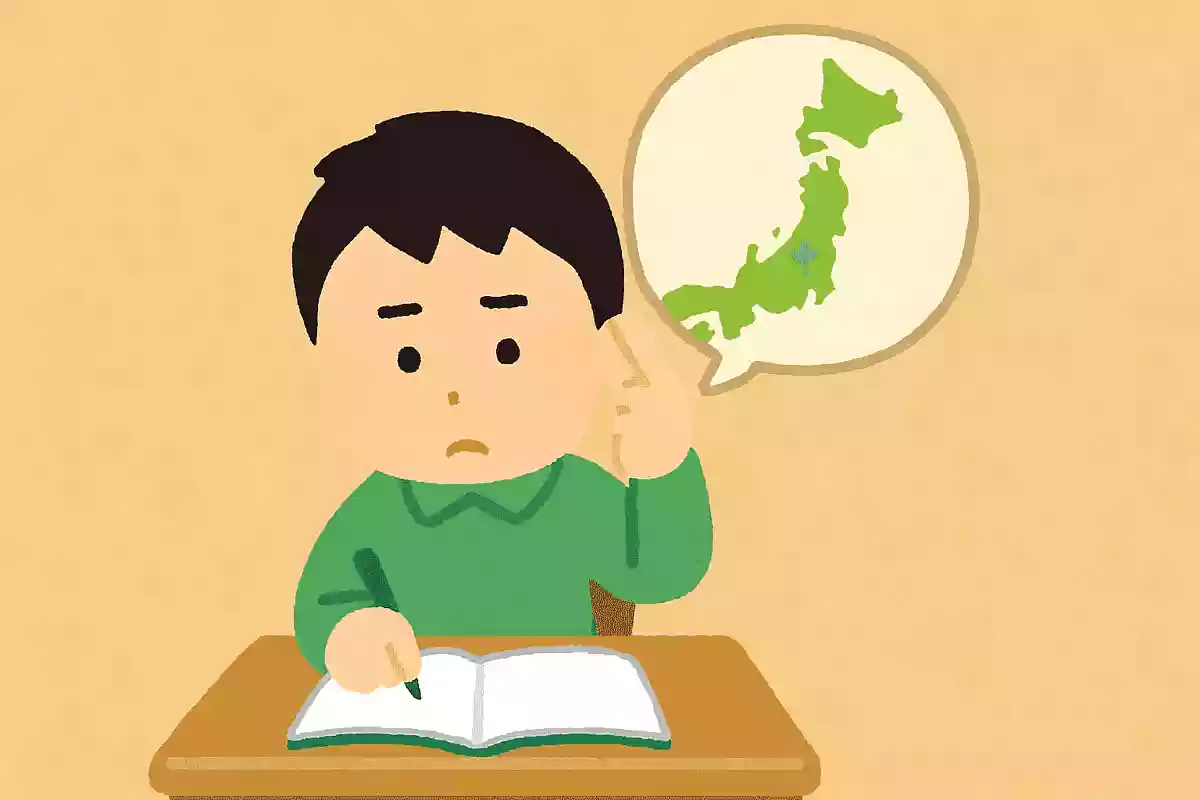
The largest lake in Japan is Lake Biwa, but where is the second largest?
See the answer
Kasumigaura
The second-largest lake in Japan is Lake Kasumigaura. Spanning Ibaraki and Chiba Prefectures, the lake covers an area of about 220 square kilometers. Following Lake Biwa, which has an area of about 670 square kilometers, Kasumigaura is also known for its vast expanse of water. Thanks to the surrounding nature and rich ecosystems, it is used for various recreational activities and as a venue for environmental education.
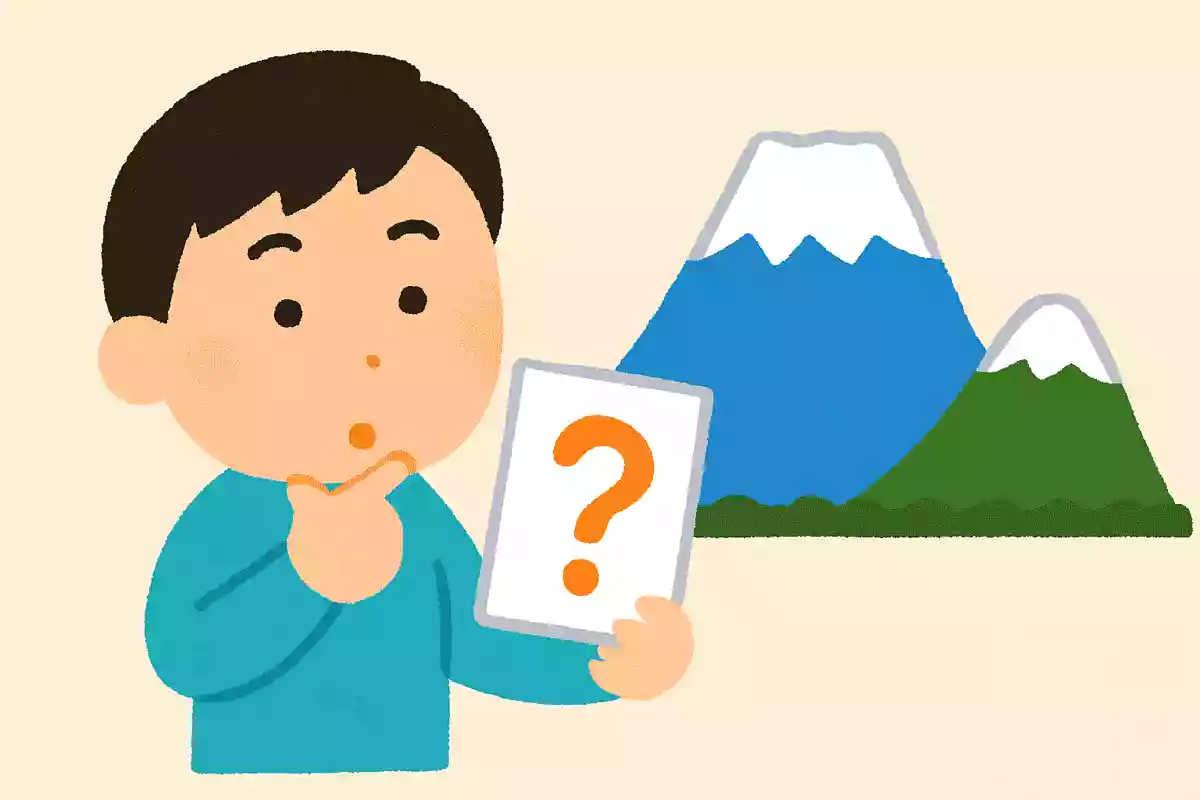
The highest mountain in Japan is Mount Fuji, but which one is the second?
See the answer
Mount Kita
The highest mountain in Japan is Mount Fuji at 3,776 meters above sea level, and the second highest is Mount Kita in the Southern Alps at 3,193 meters. Mount Kita is known for its stunning views and hiking routes and is beloved by many mountaineering enthusiasts. From the summit of Mount Kita, you can look out over the surrounding peaks, including Mount Kaikomagatake and Mount Kobushigatake—truly a paradise for hikers.
What is the reason for ringing the Joya no Kane (New Year’s Eve temple bells) on New Year’s Eve?
See the answer
To eliminate worldly desires
The New Year’s Eve bell is rung 108 times. This is said to remove each of the 108 earthly desires that humans possess. The tradition originates in Buddhism and is practiced to cleanse the sins and impurities of the past year, so that people can welcome the new year with a pure heart.
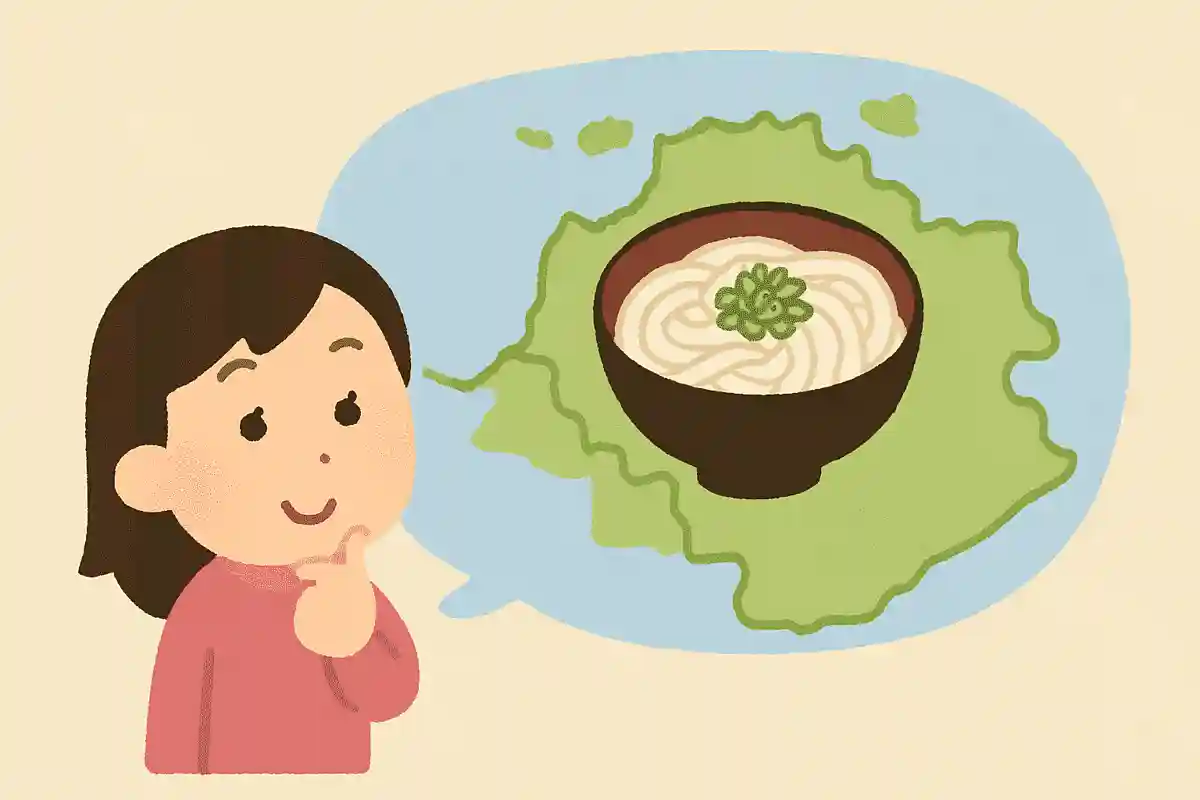
Which prefecture is also referred to as the “Udon Prefecture?”
See the answer
Kagawa Prefecture
Kagawa Prefecture is known for its extremely high production and consumption of udon and is famous nationwide as the birthplace of Sanuki udon. For that reason, it uses the nickname “Udon Prefecture” in tourism promotions and officially runs campaigns to showcase its udon culture.