

Piano × Dark Pieces: Classic Masterworks to Sink Deep into Sorrow


When you’re feeling unwell emotionally, don’t you sometimes prefer to sink into sadness for a while rather than forcing yourself to be positive? Spending time in a sentimental mood can help you naturally process the painful events inside yourself and eventually feel ready to move forward.
This time, I’d like to introduce some darkly shaded piano pieces from among recommended classical works that are perfect for those moments when you want to fully immerse yourself in sorrow.
They aren’t merely dark—each is a masterpiece that lets you savor the piano’s delicacy and beauty—so by the time you finish listening, your heart will likely feel a little lighter.
- Poignant and beautiful! A collection of recommended piano pieces
- [Classical Piano Masterpieces] A carefully selected collection of moving pieces that will bring you to tears
- Piano Masterpieces: Surprisingly Easy Despite Sounding Difficult!? A Curated Selection Perfect for Recitals
- [Advanced] Super cool if you can play it! Selection of famous piano pieces
- [Masterpiece Classics] A special showcase of gem-like masterpieces so beautiful they’ll move you to tears
- Masterpieces of classical piano that are too beautiful for words. A gathering of delicate tones that cleanse the soul.
- [Calming Classics] Soothing masterpieces whose piano melodies gently touch the heart
- [For Advanced Players] A Curated Selection of Classical Masterpieces to Tackle at Piano Recitals
- Beginner to Intermediate: Chopin pieces with relatively low difficulty. Recommended works by Chopin.
- [For Piano Recitals] Simple yet Cool Classical Pieces
- Cool jazz piano: from classic favorites to hidden gems.
- [Low Difficulty] Recommended Tchaikovsky Piano Pieces [Intermediate]
- Compilation of Sad BGM You've Heard Somewhere [Famous]
[Piano × Dark Pieces] Classic Masterpieces to Drown in Sorrow (21–30)
Fantasia Pieces: Prelude “The Bells,” Op. 3 No. 2 in C-sharp minorSergei Rakhmaninov

Sergei Rachmaninoff, a composer known for his unusually large hands, is famous for writing many technically demanding pieces, as well as for his heavy, somber musical style.
Among his works, a particular recommendation is Prelude “The Bells” in C-sharp minor from Morceaux de fantaisie, Op.
3 No.
2.
The standout feature of this piece is the middle section marked “Agitato,” characterized by a tragic melody that feels as if you’re plunging into an abyss.
It’s a quintessential example of a dark piano work—be sure to check it out.

Waltz No. 7, Op. 64-2Frederic Chopin
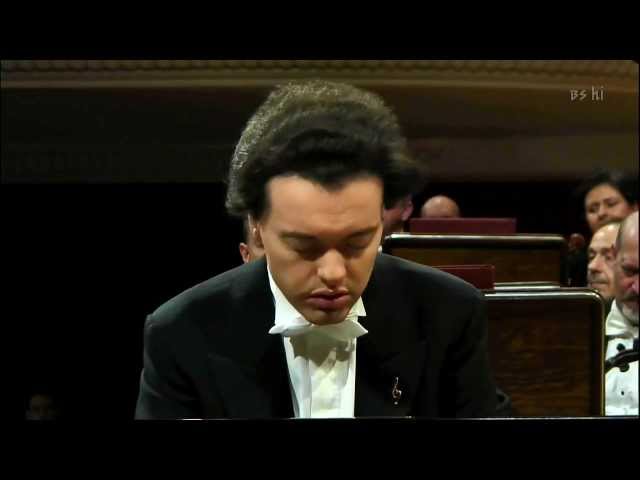
Frédéric Chopin, the great Polish composer renowned for his beautiful melodies.
When it comes to Chopin’s works, many people might think of bright pieces like the “Minute Waltz.” However, he actually produced many darker works as well, and that side of his style is also highly acclaimed.
Among them, one I especially recommend is the “Waltz No.
7 in C-sharp minor, Op.
64 No.
2.” It’s a refined piece that conveys a sense of darkness within the quintessentially Chopinesque beautiful sonority.
12 Etudes, Op. 8, No. 12 “Pathétique”Aleksandr Skryabin

Alexander Scriabin, a Russian pianist and composer, is said to have written his Twelve Etudes, Op.
8, with an awareness of Frédéric Chopin’s etudes.
The twelfth and final piece, “Pathetique,” demands highly advanced technique, featuring wide-ranging broken chords, a fiercely struck right-hand octave melody, and relentless chord repetitions in both hands.
There are many famous classical works titled “Pathetique,” but this music conveys a comparable sense of uncontainable anger and profound sorrow.

24 Preludes No. 4, Op. 28-4Frederic Chopin

I think many people feel like listening to music that evokes a sense of despair precisely when they’re feeling down.
Among such pieces, this masterpiece by the great composer Frédéric Chopin, Prelude No.
4 from 24 Preludes, Op.
28-4, is especially recommended.
While its simplified melody means it isn’t rated highly from a technical standpoint, its performance impact is tremendous: as mentioned at the outset, it unfolds a tragic, brooding, and dark melody that evokes despair.
Fantasiestücke, Op. 3 No. 1: ElegySergei Rachmaninov

Sergei Rachmaninoff, a genius pianist and composer, brought many masterpieces into the world.
His melodies, imbued with a sense of pathos, are especially acclaimed.
Among Rachmaninoff’s works, one particularly known for bringing listeners to tears is Elegy, No.
1 from Morceaux de fantaisie, Op.
3.
Composed in his youth, it is characterized by emotionally charged melodies suffused with melancholy.
Because the piece can sound quite different depending on the performer, be sure to compare interpretations by various pianists.
Sentimental WaltzPyotr Tchaikovsky

Pyotr Tchaikovsky, the great Russian composer who produced numerous masterpieces—ballet music, concertos, symphonies, and even chamber works and operas.
Among them, I would like to introduce his Valse Sentimentale.
This is a short piece, known as one of the darker and heavier melodies in Tchaikovsky’s oeuvre.
Its profound timbre is highly striking, so if you’re in the mood to fully indulge in sentiment, be sure to give it a listen.
Sorrow of LoveKreisler=Rachmaninov

Sergei Rachmaninoff, the greatest Russian composer of the 20th century, arranged Fritz Kreisler’s piece of the same title, Liebesleid (Love’s Sorrow)—originally by the Austrian composer-violinist who was Rachmaninoff’s contemporary—into a solo piano version.
In Japan, it drew attention when it was featured as an insert piece in the 2016 live-action film adaptation of the manga Your Lie in April.
While the piece is imbued with sorrow, it also exudes a certain brilliance that suggests hope and longing, creating a captivating, enigmatic atmosphere that makes it an exceptionally attractive work.