

December children's songs, folk songs, and nursery rhymes: fun winter hand-play songs


When it comes to December, it’s the season that makes you excited and a little restless, with Christmas, New Year’s Eve, and preparations for the New Year.
Especially as kids, there was so much to look forward to—not just Christmas, but winter break and playing in the snow when it fell.
In this article, we’ll introduce children’s songs perfect for this wonderful month of December, along with playful songs everyone can enjoy and traditional nursery rhymes that have long been popular.
Most of these are for children, but there are also moving masterpieces that resonate deeply with adults.
Try listening while feeling the crisp air outside, or while staying cozy and warm indoors.
- Collection of winter nursery rhymes, folk songs, and children's songs. Includes fun winter hand-play songs too.
- Snow Songs to Enjoy in Winter! Children's Snow Nursery Rhymes & Hand-Play Songs
- [For Seniors] Beloved songs to sing in December: heartwarming moments with nostalgic kayōkyoku and children’s songs
- [Childcare] Recommended songs and nursery rhymes for November: Fun autumn fingerplay songs
- [For people in their 90s] Recommended Christmas songs: from nostalgic school songs and hymns to timeless classics
- [February Songs] Introducing children's songs, folk songs, nursery rhymes, and hand-play songs about Setsubun and winter!
- Songs for January: Nursery rhymes and fingerplay songs we want children to grow familiar with
- [Hand Play] Popular with kids! A collection of trendy hand-play songs and nostalgic traditional children’s songs
- [Christmas Songs] Christmas songs to sing with children
- Recommended Christmas songs for people in their 70s: A collection of classic winter hits from the Showa era
- [For Seniors] Winter songs you'll want to hum along to. A collection of classic tunes recommended for BGM and recreational activities
- Songs we want children to listen to! Recommended Christmas songs and nursery rhymes
- [Children’s Songs of Autumn] Autumn songs, school songs, and traditional children’s rhymes. A collection of classic pieces to sing in autumn.
Children’s songs, folk songs, and nursery rhymes for December: Fun winter hand play songs (71–80)
Silver BellRei Evuansu/Jei Ribingusuton

It’s a song featured in the 1951 comedy film “The Lemon Drop Kid.” Sparkling Christmas ornaments, children’s laughter, people hurrying home to their families.
Hearing bells ringing from somewhere, you can feel Christmas drawing near.
In the cold winter air, it’s a beloved classic that warms the hearts of excited people.

TroikaRoshia min’yō
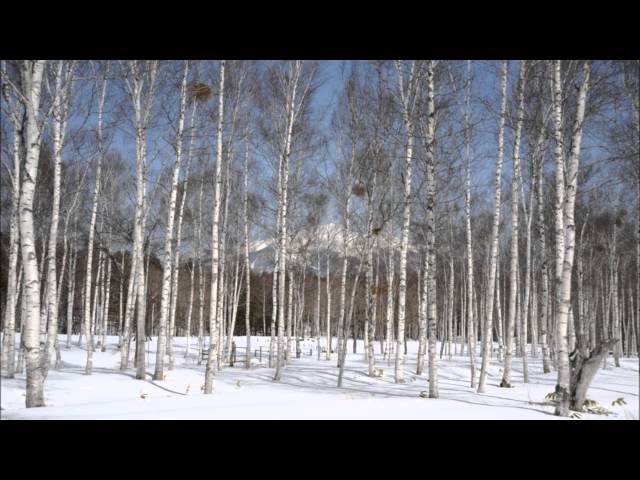
The unfamiliar word in the title, “Troika,” refers to a Russian three-horse-drawn carriage.
The cheerful jingle of bells and the rhythmic tempo that continue from the start of the piece evoke the Russian winter and the brightness of youth.
While the beautiful melody makes it a pleasant tune, the original Russian folk song is said to be a sad one, telling of a young man who drives horses for a living and has his lover taken away by a wealthy man.
O Holy NightSakushi: J. Douwaito / Sakkyoku: C. Adamas

Originally composed in the 19th century as a French Christmas carol, it became widely known through John Sullivan Dwight’s English translation.
Today, it is an indispensable classic among Christmas songs.
In Japan, it appears in the second hymnal under the title “Sayaka ni Hoshi wa Kirameki.” It is a beautiful piece that evokes a serene, gently quiet European Christmas.
Powdery snow, konkoSakushi: Iijima Toshiko / Sakkyoku: Hirao Kishio

Konayuki Konko, which welcomes the transparent, dancing powder snow, is a children’s song with lyrics by Toshiko Iijima and a vividly crafted melody composed by Kishio Hirao.
With simple, easy-to-remember lyrics, the song portrays a winter landscape from a child’s perspective.
The word “konko,” meaning “come, come,” is repeated throughout, evoking the image of eagerly awaiting snowfall.
Its beautiful melody, which seems to express the delicate scattering of powdery snow, also conjures up wintry scenes.

at the end of the wastelandSanbika 106-ban

In December, the Christmas season, I also recommend traditional pieces like this one.
This is one of the Christmas carols, a song beloved at Christmas Mass in churches in Japan.
Its hallmark is the “Gloria in excelsis Deo” section, where everyone joins their voices to sing the same melody.
It’s in Latin! It means “Glory to God in the highest.” It’s a piece worth listening to carefully.
the Son of GodSanbika 111-ban

This hymn, No.
111, is a perfect song for the Christmas season.
Those who attended Christian schools probably sang it.
It’s said to have been composed by an Englishman, John Francis Wade, though the truth isn’t entirely clear—there’s something mysterious about that, too.
The song’s content is pure and innocent, celebrating the birth of the Son of God.
It would be really cool to sing a piece like this in Latin—if you’ve got a beautiful voice, give it a try! By the way, although the lyrics differ from Hymn No.
284, they supposedly share the same melody.
Grill the mochiwarabeuta
We prepare mochi, an essential part of New Year’s, in December.
It’s a traditional Japanese scene, but the association of “New Year’s = mochi” seems to have faded somewhat over time.
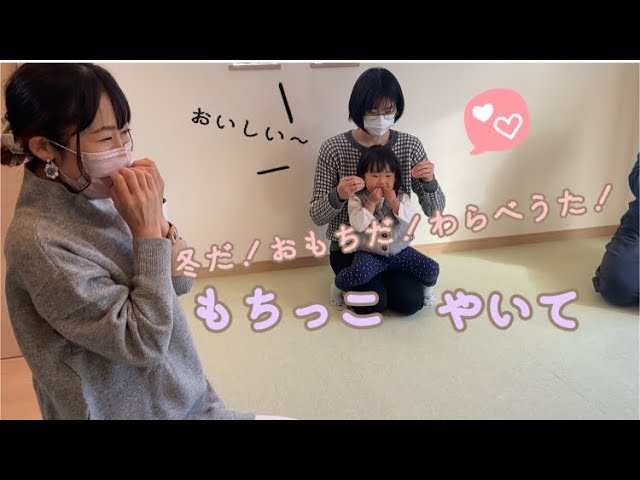
Speaking of mochi, there’s this song, Mochikko Yaite.
Its lyrics—“Let’s grill the mochi, dip it in soy sauce, and eat it; it’s sure to be delicious”—evoke the image of diligently getting ready while reflecting on how quickly time passes.
It’s also fun to change it up with kinako or sweet red bean paste and sing together with everyone.