

Trivia quiz about dogs: three-choice questions to learn fun facts

Dogs, which are said to have lived alongside humans for over ten thousand years, are now beloved as pets all around the world.
Some of you may be looking for trivia and fun facts about dogs.
In this article, we’ve gathered questions that will deepen your knowledge of dogs.
We’ll present a wide range of content—from quizzes on canine biology and characteristics to entertaining trivia.
By learning about the historical relationship between humans and dogs and the reasons behind canine behavior, try tackling these quizzes as a gateway to understanding dogs better.
- [Dog Biology] Things You Might Not Know? Dog Trivia
- Surprisingly unknown? Trivia Quiz [Multiple Choice: 3 Options]
- [Trivia] Do you know the answers? A roundup of animal quizzes
- Animal riddles
- [For Elementary School Students] Animal Quiz to Learn Knowledge and Fun Facts
- Can you solve it if you love cats? A 3-choice cat trivia quiz
- [Trivia] A three-choice quiz to deepen your rabbit knowledge
- A personality test featuring dogs, plus a quiz to find the dog that suits you
- [Interesting] Compilation of Trivia Quiz Questions
- Sea Creatures: Dolphin Trivia Quiz — Enjoyable Three-Choice Questions on Fun Facts
- [Killing Time] A Collection of Fun Trivia Quizzes You'll Want to Share with Someone
- [Challenging] General Knowledge Quiz Compilation: Difficult and Interesting Multiple-Choice Questions (3 Options)
- Let's take on a four-choice quiz that everyone can enjoy together!
Trivia quiz about dogs: 10 multiple-choice questions (1–10) to learn fun facts
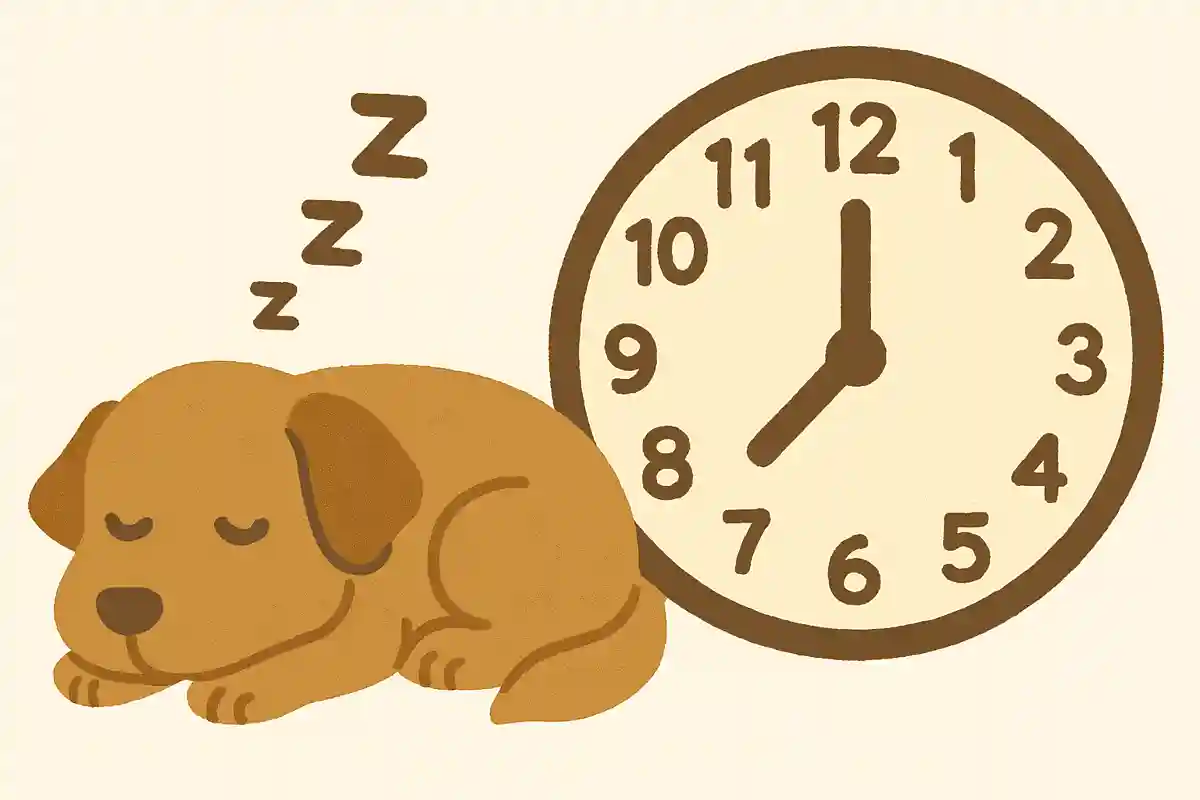
What is the average sleep time of a dog?
- 8 hours
- 10 hours
- 12 hours
See the answer
12 hours
Dogs are animals that are very good at resting. On average, they spend about 12 hours a day sleeping. This includes short breaks and naps, and puppies in their growth phase and senior dogs may spend even more time resting.

Which of the following flavors do dogs dislike?

- sweetness
- bitterness
- acidity
See the answer
bitterness
Dogs are generally believed to dislike bitterness. When they sense a bitter taste, they naturally tend to avoid it. They recognize bitterness as a sign of toxins or danger, and another factor is that their taste buds are not highly developed.
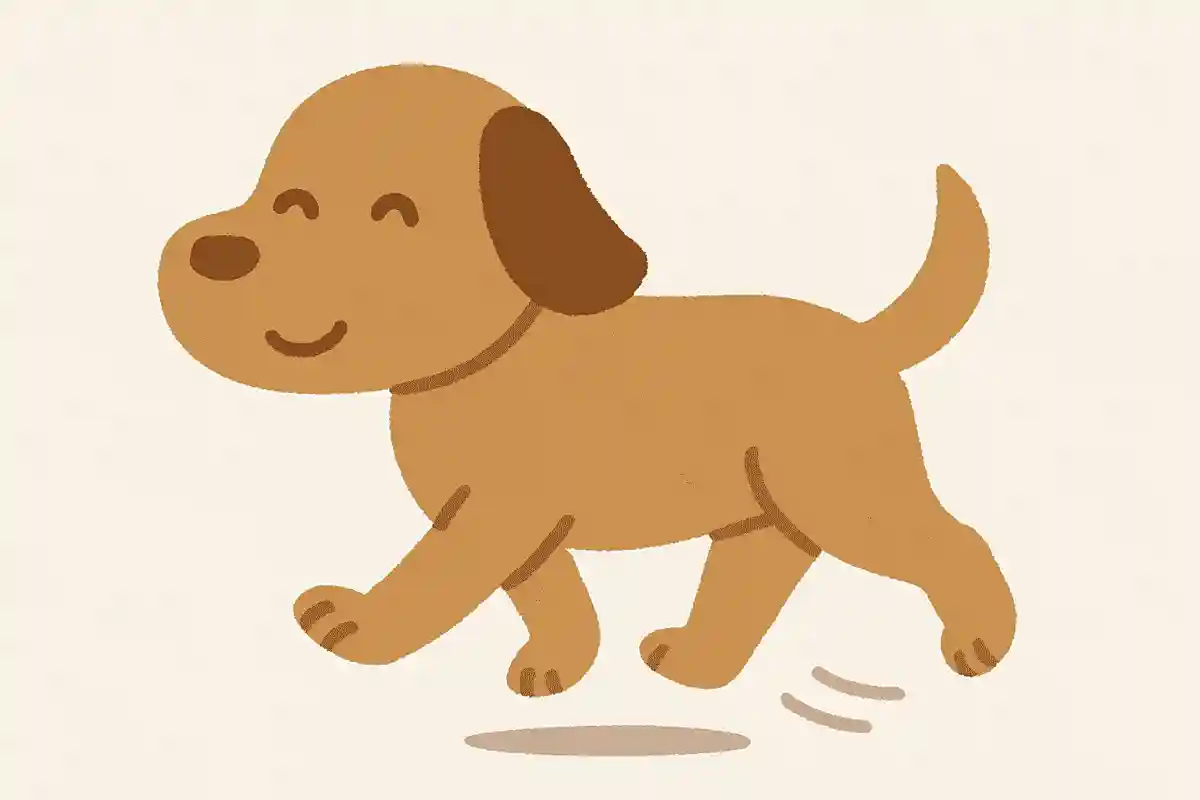
What are the characteristics of how a dog walks?
- to walk by moving all legs at the same time
- Walk on tiptoes without putting your heels down
- Always walk with one foot lifted.
See the answer
Walk on tiptoes without putting your heels down
Dogs characteristically walk on their toes without placing their heels on the ground. This is called digitigrade locomotion, and because they walk using the tips of their toes, it allows for quiet movement and quick bursts of speed.
Trivia quiz about dogs: 3-choice questions to learn fun facts (11–20)
What animal is considered to be the ancestor of the dog?
- Miakis
- Smilodon
- Deinonychus
See the answer
Miakis
The animal widely recognized as the ancestor of dogs is called Miacis. Miacis is believed to have lived about 40 million years ago and looked very different from modern dogs and wolves, but dogs lie along their evolutionary line.
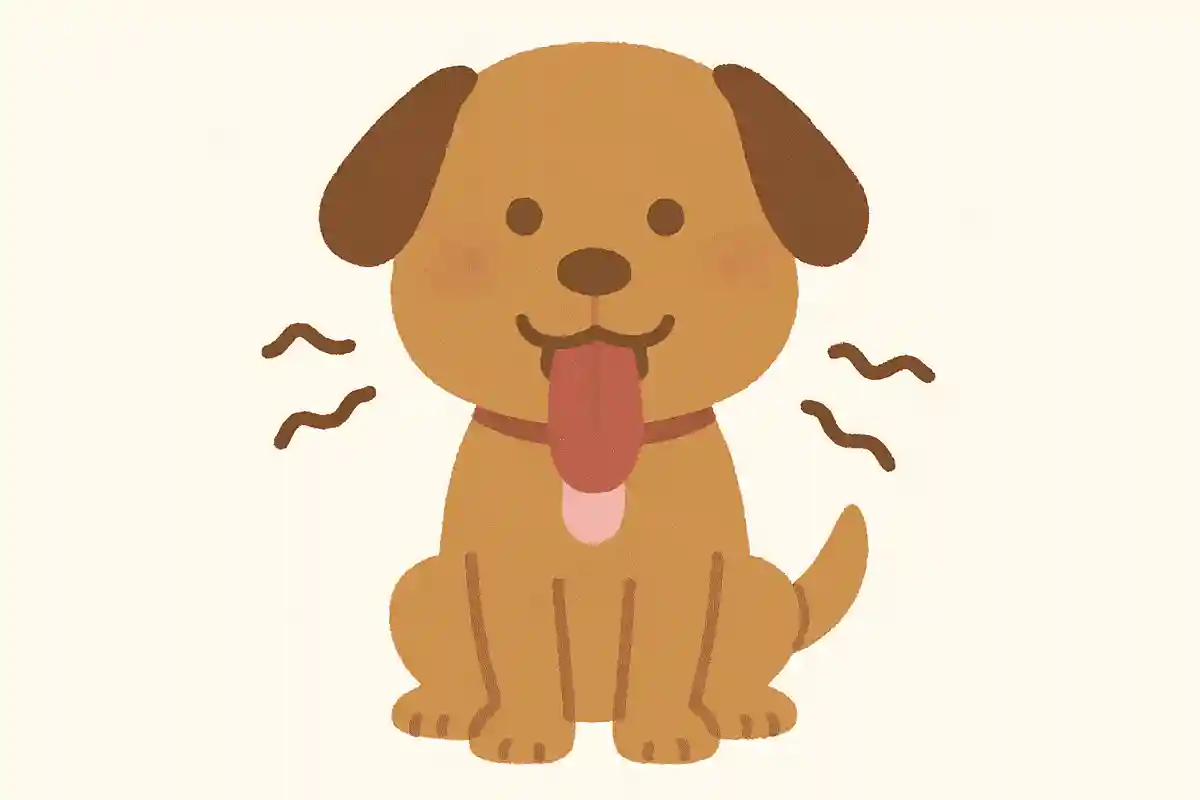
What do you call a dog’s rapid, shallow breathing?
- shucking
- panting
- snooping
See the answer
panting
The rapid, shallow breathing seen in dogs is called “panting.” This is a natural behavior dogs use to regulate their body temperature. Because dogs have few sweat glands, they release internal heat by breathing this way. It’s especially observed on hot days or after intense exercise.
What was a dog’s bark called before the Edo period?
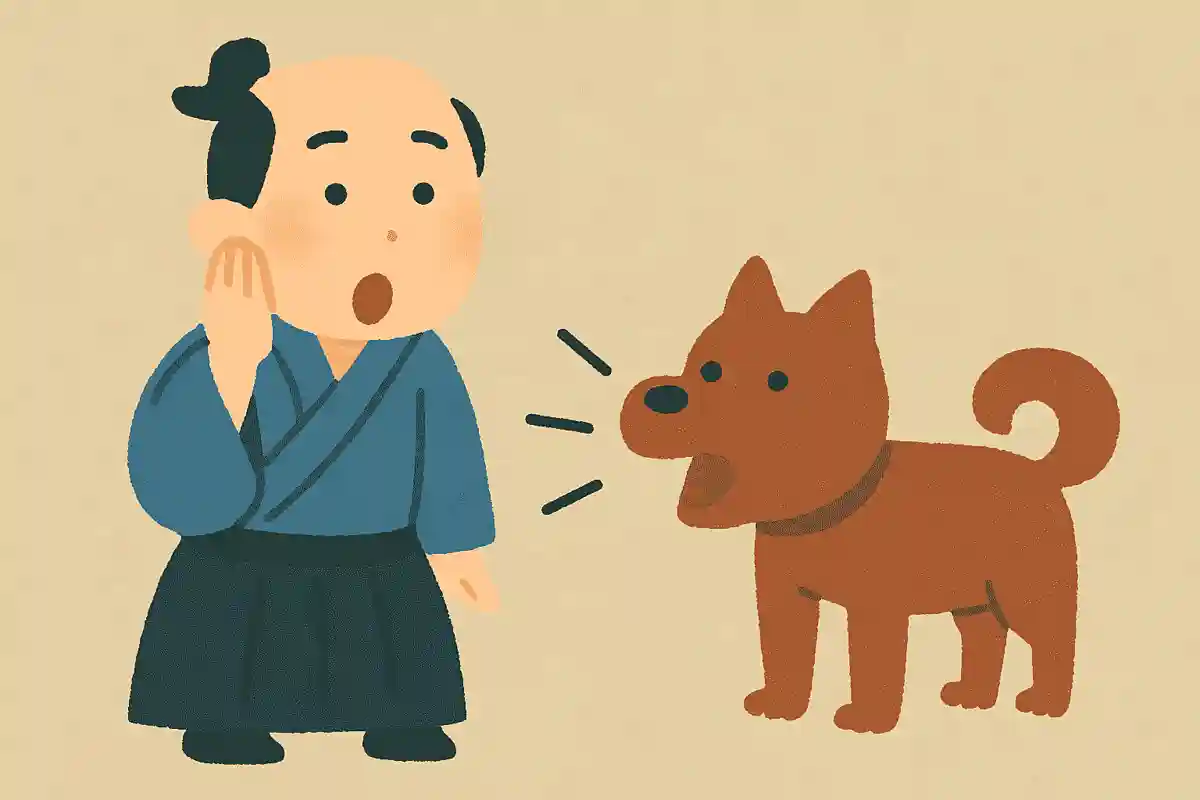
- yap yap
- whooshing
- furious
See the answer
whooshing
The expression used in Japan before the Edo period to represent a dog's bark was “byō-byō.” This term is one of those intriguing bits of trivia that offers insight into how people of the time perceived and interpreted the sounds dogs made.
How many teeth do adult dogs (permanent teeth) have?
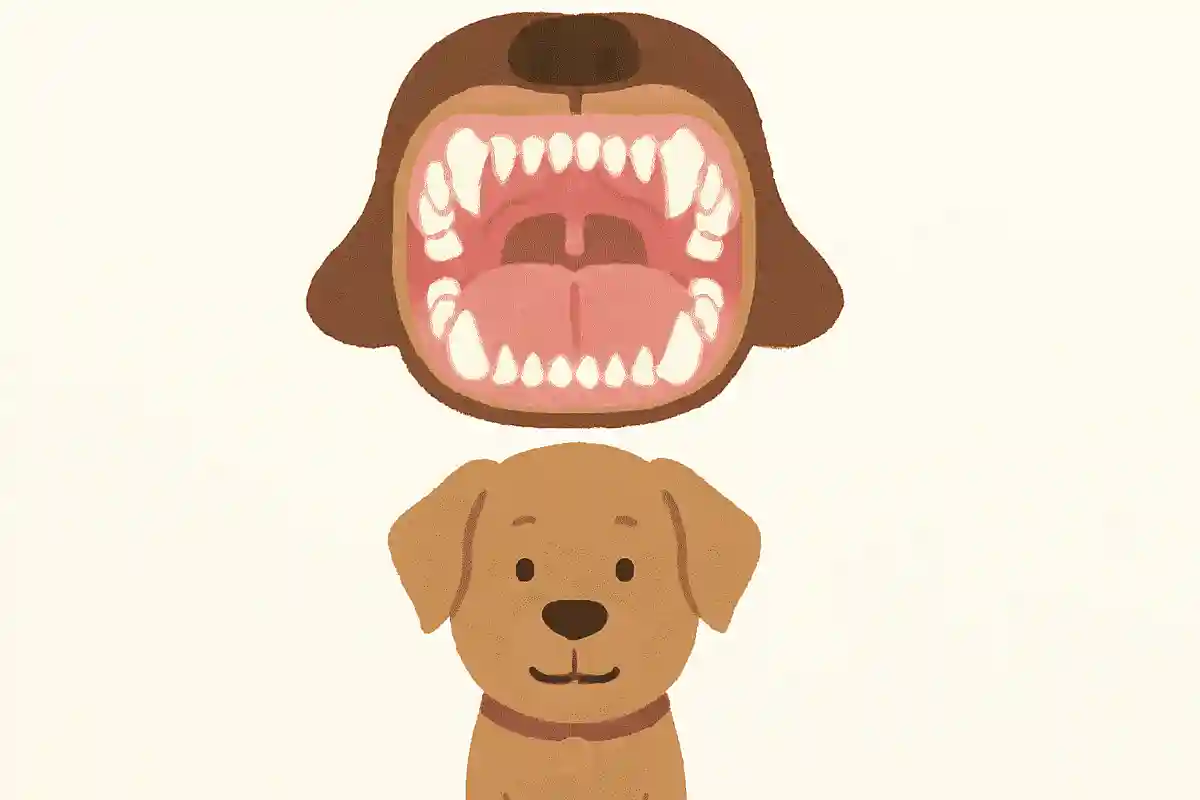
- 34 pieces
- 38 pieces
- 42 pieces
See the answer
42 pieces
An adult dog has a total of 42 teeth after all its baby teeth have fallen out and been replaced by permanent teeth. This number of teeth does not vary by breed, and a healthy adult dog generally has 42 teeth.