

Trivia quiz for the Day of the Ox in midsummer: little-known facts about customs

When you think of the Day of the Ox in midsummer (Doyo no Ushi no Hi), the custom of eating eel probably comes to mind, right? But did you know there are also fun facts and surprising trivia related to this day? The more you learn about Doyo no Ushi no Hi, the more fascinating it becomes.
In this article, we’ll introduce a collection of trivia about Doyo no Ushi no Hi in a quiz format.
It’s packed with delightful tidbits you’ll be itching to share with someone.
- Make your summer festival even more fun! Trivia quizzes and fun facts for kids
- Trivia you think you know but surprisingly don’t? August trivia and fun facts quiz!
- How many can you get right? Check your general knowledge with a heatstroke trivia and fun facts quiz.
- Trivia and fun facts to make summer even more enjoyable
- Enjoy summer festivals even more! Trivia quiz & fun facts collection
- [Tanabata Quiz] Three-choice questions to enjoy trivia and fun facts
- [For Kids] Fun Summer Trivia Quiz & Facts
- How many can you answer? Trivia and fun facts quiz about rice
- A quiz of fun trivia: bite-sized knowledge that leads to new insights.
- How many can you solve? An Otsukimi trivia quiz from general knowledge to surprising fun facts
- A collection of trivia and fun facts about August that will warm your heart
- Trivia you’ll want to share once you know it! A quiz collection of surprising, little-known facts about sumo
- [For Kids] Fun Facts & Trivia Quiz about Koinobori (Carp Streamers)
Trivia quiz for the Day of the Ox in midsummer: Little-known customs and fun facts (1–10)
What does Doyō-boshi refer to drying?
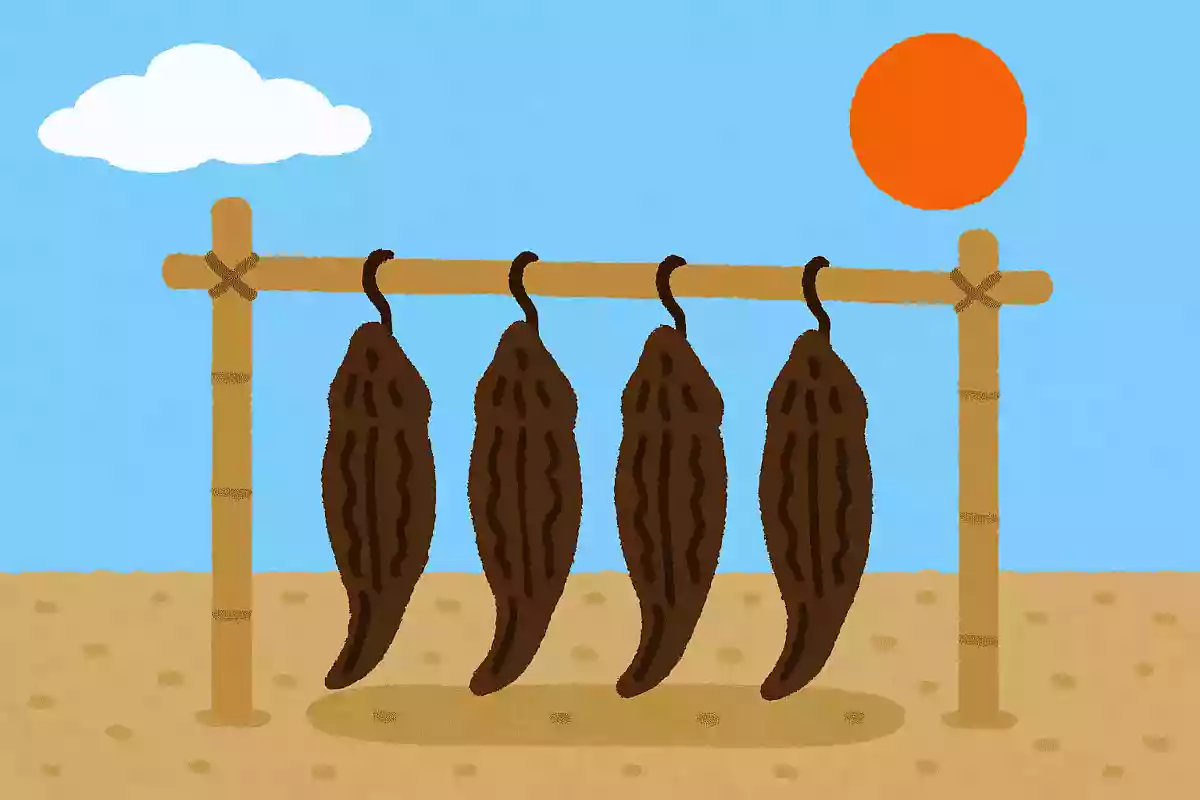
- plum
- Atka mackerel
- taro/potato (generic term for starchy tubers; context-dependent)
See the answer
plum
Doyoboshi refers to drying umeboshi (pickled plums) for several days under the strong sun during the Doyo period. This makes the umeboshi tastier and improves their shelf life. While “ume-shigoto” (plum work) during the rainy season is well known as the time to make umeboshi, there is also a tradition of making them during the summer Doyo period.

Who was the first person to propose eating eel on the Day of the Ox during the Edo period?
- Tokugawa Ieyasu
- Sugita Genpaku
- Gennai Hiraga
See the answer
Gennai Hiraga
It is said that during the summer, when demand for eel declines, Gennai Hiraga, after being consulted by an eel shop, put up a sign reading “Today is the Day of the Ox in Doyo,” which successfully boosted eel sales and started the custom of eating eel on Doyo no Ushi no Hi. Incidentally, Gennai Hiraga is known not only for restoring the Elekiter as an inventor, but also for his wide-ranging activities as a novelist, physician, and more.
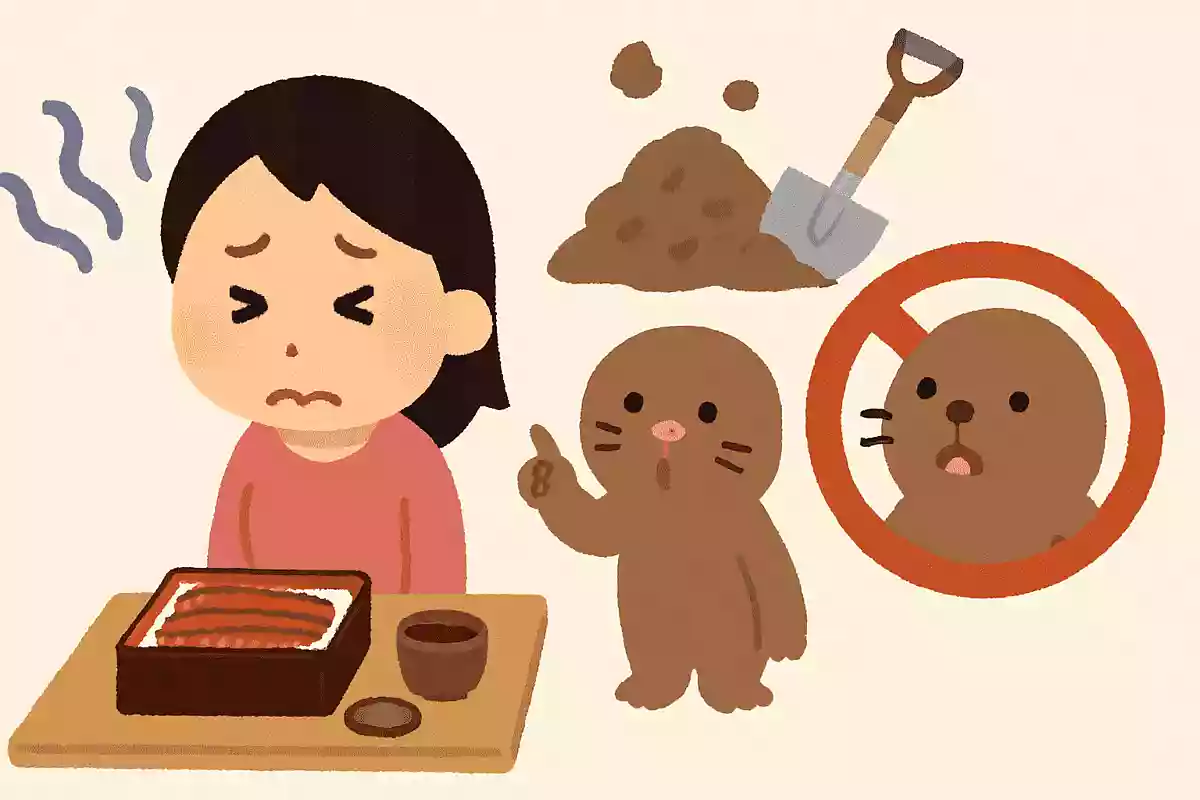
What are the things you’re not supposed to do during the Doyo period?
- exercise
- Eating out
- Moving (house move/relocation)
See the answer
Moving (house move/relocation)
In fact, there are several things that are considered taboo during the Doyō period. These include touching soil—such as digging wells or gardening—taking on new endeavors, and relocating. Because the earth deity is believed to dwell in the soil during Doyō, one should avoid disturbing the ground. Additionally, since Doyō marks the change of seasons and people are more prone to poor health, it’s considered better not to start anything new. Movement during Doyō is also deemed inauspicious regardless of direction, so activities like moving house or traveling have traditionally been avoided.
Trivia quiz for the Day of the Ox in midsummer (Doyo no Ushi no Hi): Little-known customs and facts (11–20)
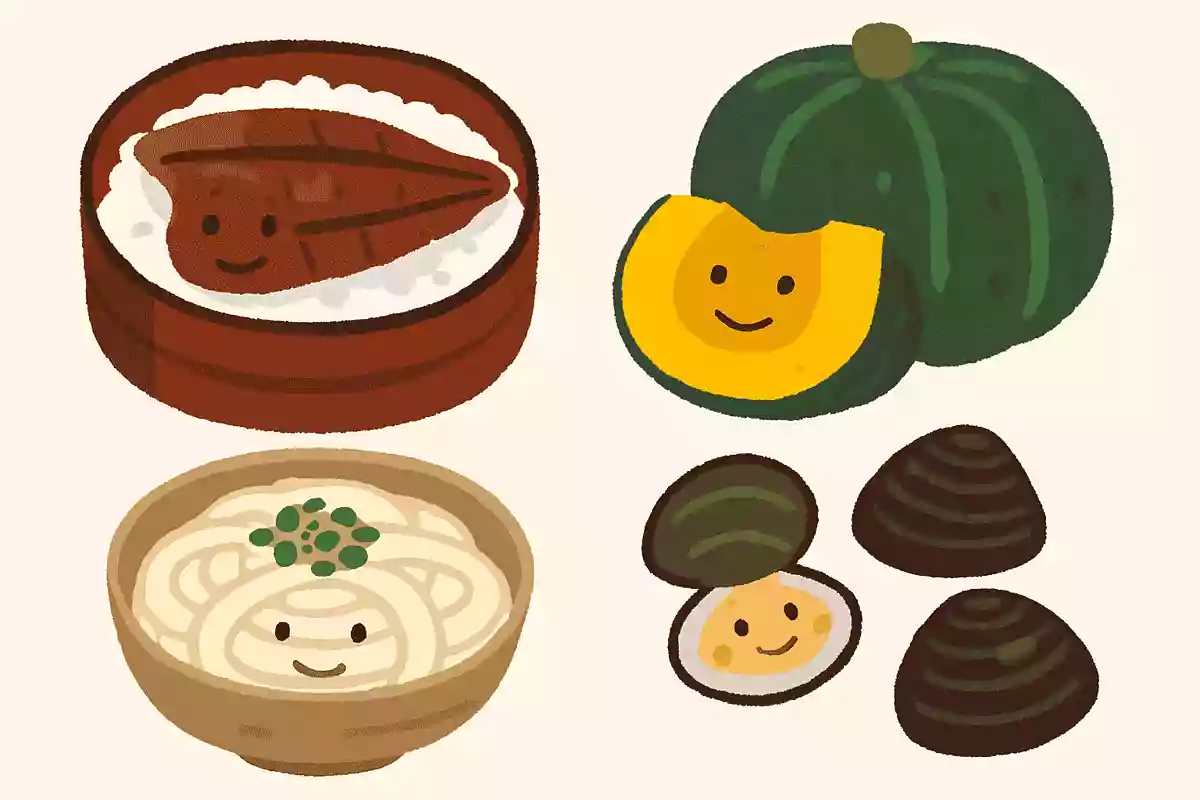
Besides eel, what else was commonly eaten on the Day of the Ox in midsummer?
- gourd
- garlic
- fish
See the answer
gourd
Even before the custom of eating eel became common, it was said that on the midsummer Day of the Ox, eating foods that start with the syllable “u” would help build the stamina to withstand the heat. Typical examples include gourd varieties like cucumbers and watermelons, pickled plums (umeboshi), and udon noodles.
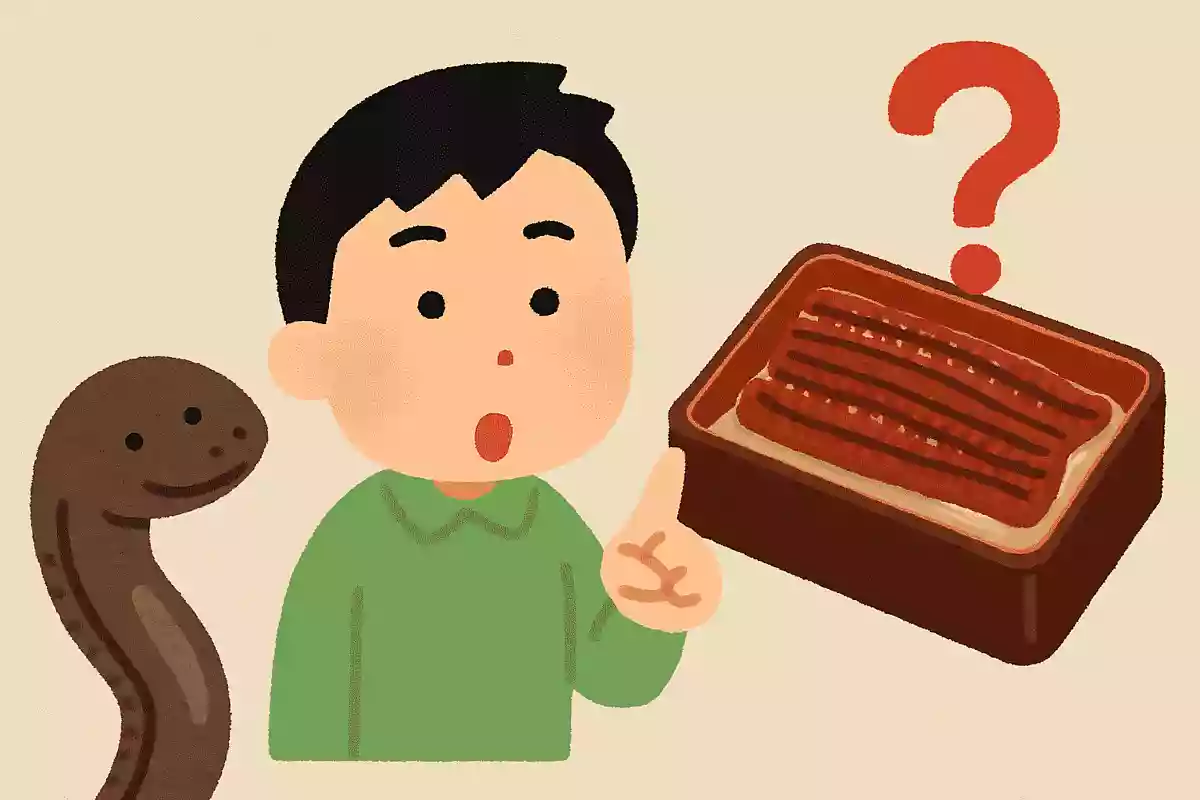
Is it the Kansai style or the Kanto style to steam eel before grilling it for kabayaki?
- Kansai-style
- Kanto-style
See the answer
Kanto-style
In the Kanto style, eel is steamed first and then grilled, which renders out the fat and results in a plump, tender finish. Because it’s pre-steamed, it also takes less time to grill. In contrast, the Kansai style skips steaming and grills the eel slowly as-is, giving the skin a crisp texture. Compared to the Kanto style, it also takes longer to finish grilling. There’s even a theory that in Kanto, the impatient Edo temperament favored the shorter grilling time of the steamed method, while in Kansai, merchants preferred the longer grilling time so they could conduct business negotiations after placing their eel order!
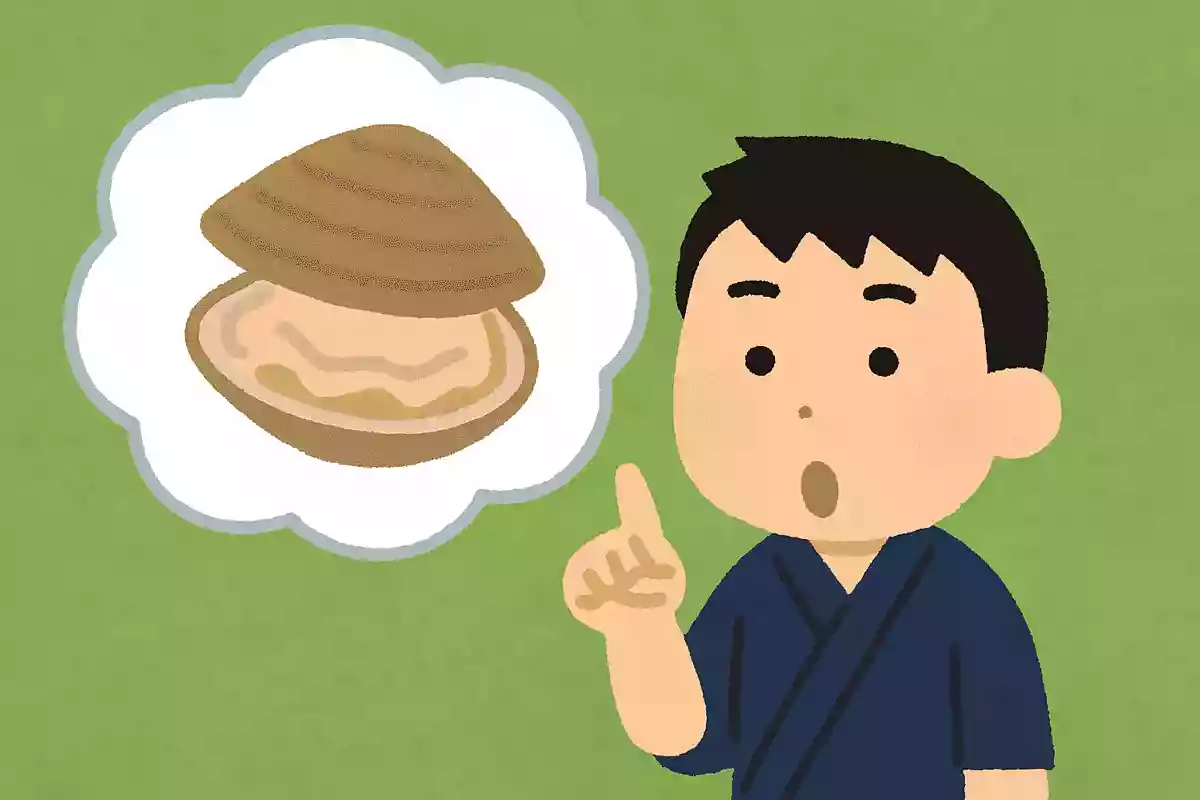
In some regions, which shellfish is eaten during the summer Doyo period?
- asari (common orient clam)
- clam (specifically, a Japanese hard clam or common orient clam)
- shijimi (Japanese basket clam)
See the answer
shijimi (Japanese basket clam)
There is a custom of eating shijimi clams during the midsummer Doyo period. Shijimi at this time are rich in nutrients and have long been cherished as a nourishing food, even being called a remedy for the stomach. The shijimi clams from Lake Shinji in Shimane Prefecture are especially well known.
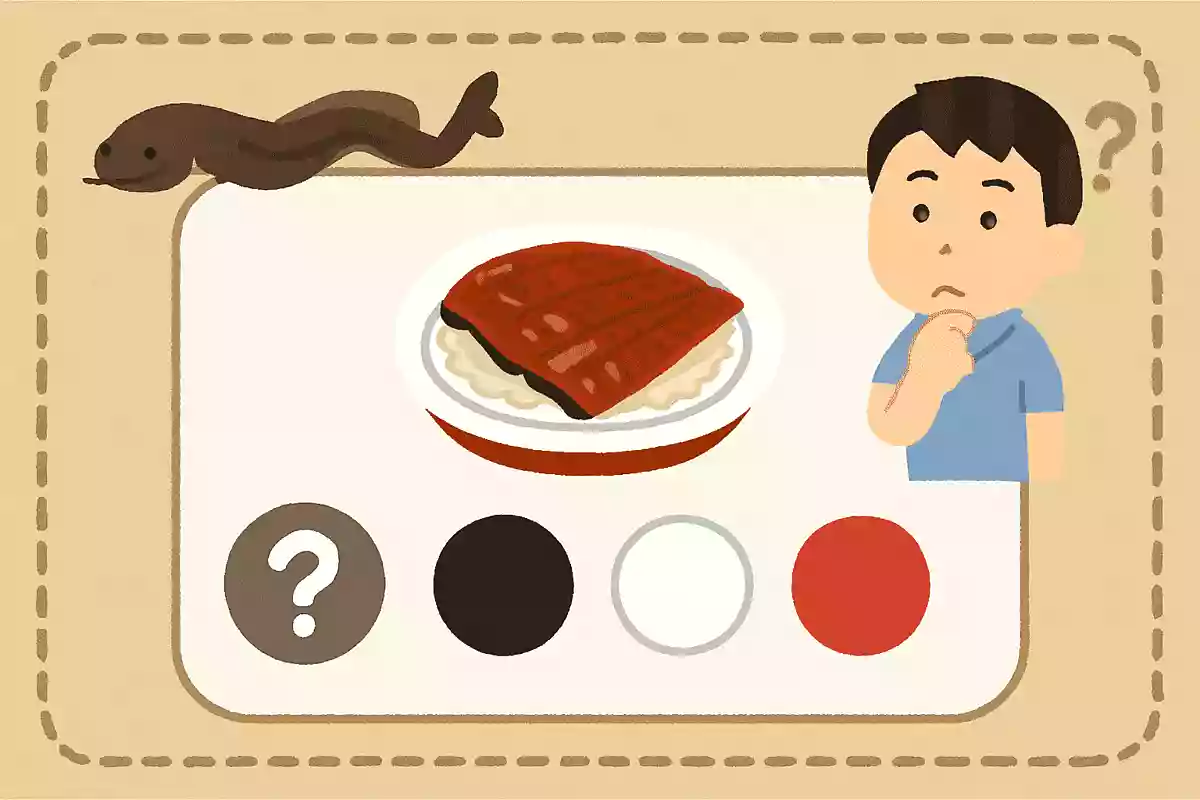
What color is the food that is considered good to eat on the Day of the Ox (Doyo no Ushi no Hi)?
- red
- white
- black
See the answer
black
Since long ago, it’s been said that on the Day of the Ox in midsummer (Doyo no Ushi no Hi), it’s good to eat foods that start with the sound “u,” as well as black-colored foods. In addition to black soybeans and black sesame, people have also eaten hijiki seaweed and black sea bream.