


When you think of the Day of the Ox in midsummer (Doyo no Ushi no Hi), the custom of eating eel probably comes to mind, right? But did you know there are also fun facts and surprising trivia related to this day? The more you learn about Doyo no Ushi no Hi, the more fascinating it becomes.
In this article, we’ll introduce a collection of trivia about Doyo no Ushi no Hi in a quiz format.
It’s packed with delightful tidbits you’ll be itching to share with someone.
- Make your summer festival even more fun! Trivia quizzes and fun facts for kids
- Trivia you think you know but surprisingly don’t? August trivia and fun facts quiz!
- How many can you get right? Check your general knowledge with a heatstroke trivia and fun facts quiz.
- Trivia and fun facts to make summer even more enjoyable
- Enjoy summer festivals even more! Trivia quiz & fun facts collection
- [Tanabata Quiz] Three-choice questions to enjoy trivia and fun facts
- [For Kids] Fun Summer Trivia Quiz & Facts
- How many can you answer? Trivia and fun facts quiz about rice
- A quiz of fun trivia: bite-sized knowledge that leads to new insights.
- How many can you solve? An Otsukimi trivia quiz from general knowledge to surprising fun facts
- A collection of trivia and fun facts about August that will warm your heart
- Trivia you’ll want to share once you know it! A quiz collection of surprising, little-known facts about sumo
- [For Kids] Fun Facts & Trivia Quiz about Koinobori (Carp Streamers)
Trivia quiz for the Day of the Ox in midsummer: Little-known customs and fun facts (1–10)
Regarding the ‘Day of the Ox,’ which one is incorrect?
- related to the Chinese zodiac
- There can be times when it occurs twice during the Doyo period.
- It commemorates the day when people started eating beef.
See the answer
It commemorates the day when people started eating beef.
The Day of the Ox has nothing to do with the custom of eating beef. Just as we still count years by the zodiac signs, days used to be counted by the same system as well, and one of those days was the Day of the Ox. Because it follows the twelve zodiac signs, the Day of the Ox comes around in a 12-day cycle. Additionally, the 'Doyo no Ushi no Hi' refers to the Day of the Ox that falls within the roughly 18-day doyo period, so in some years there can be two such days.

What does “Doyō” mean?
- A day dedicated to worshiping a specific deity
- The day to till the soil
- Changing of the seasons
See the answer
Changing of the seasons
“Doyō” refers to the roughly 18-day period preceding the first day of spring, summer, autumn, and winter. Therefore, it occurs four times a year. Among these, when people mention “the Day of the Ox during Doyō” on which eel is eaten, they are generally referring to the summer Doyō.
Which prefecture had the highest expenditure on eel purchases in 2022?
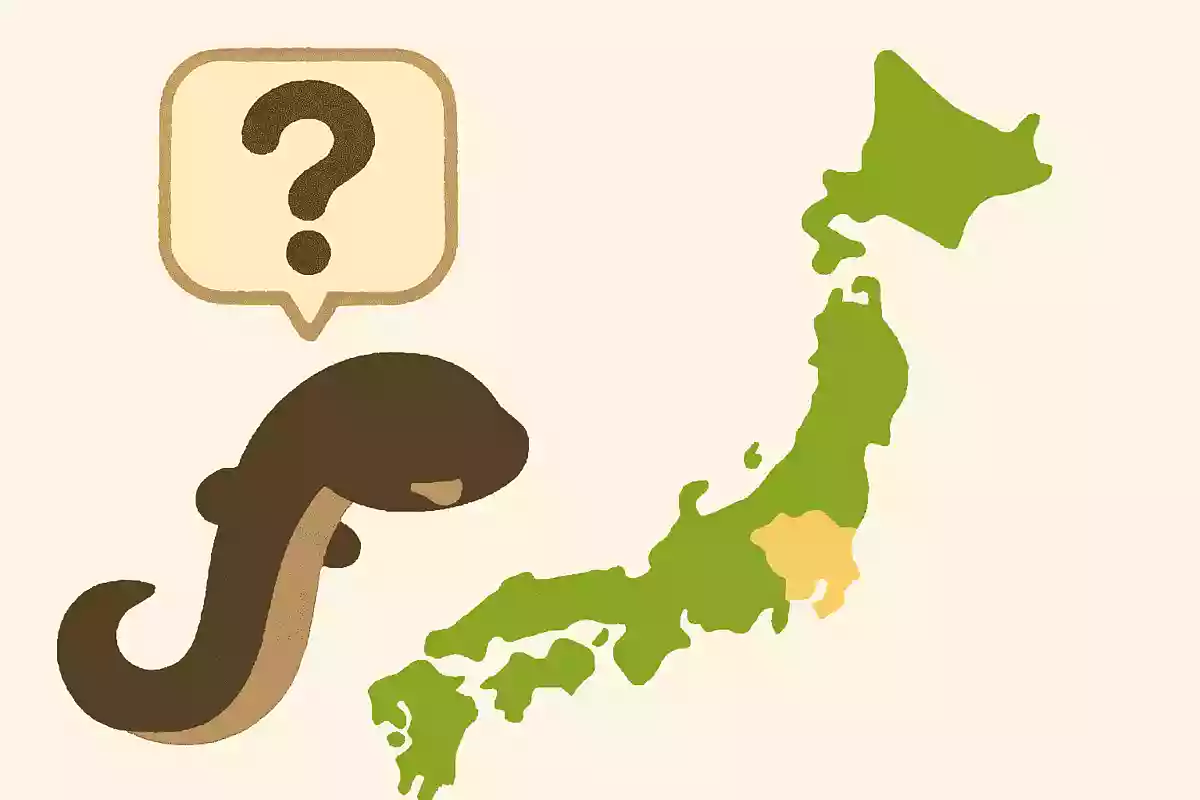
- Shizuoka Prefecture
- Kyoto Prefecture
- Aichi Prefecture
See the answer
Kyoto Prefecture
According to the 2022 Family Income and Expenditure Survey by Japan’s Ministry of Internal Affairs and Communications, Kyoto Prefecture spent the most on grilled eel (kabayaki). While Shizuoka and Aichi are also famous for eel, it’s surprising that Kyoto ranks first. However, this survey does not include spending on eating out, so the ranking only reflects expenditures for consumption at home. If dining out were included, the results might be different.
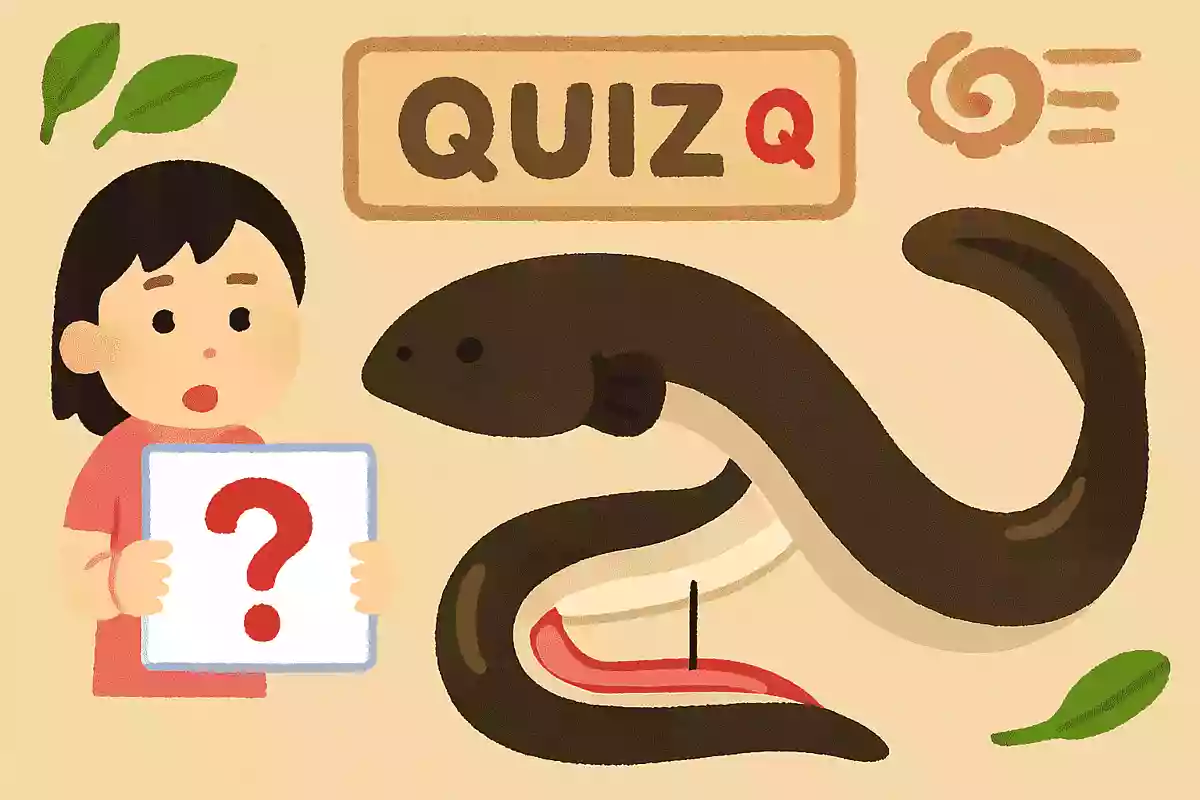
Which part of an eel’s body contains poison?
- liver
- bone
- blood
See the answer
blood
Eel blood contains a toxin called ichthyotoxin, which can cause symptoms such as diarrhea and vomiting if ingested. It may also cause inflammation from bare-skin contact, so it must be handled with care. Thorough heating renders it harmless, so properly prepared dishes like kabayaki are safe to eat.
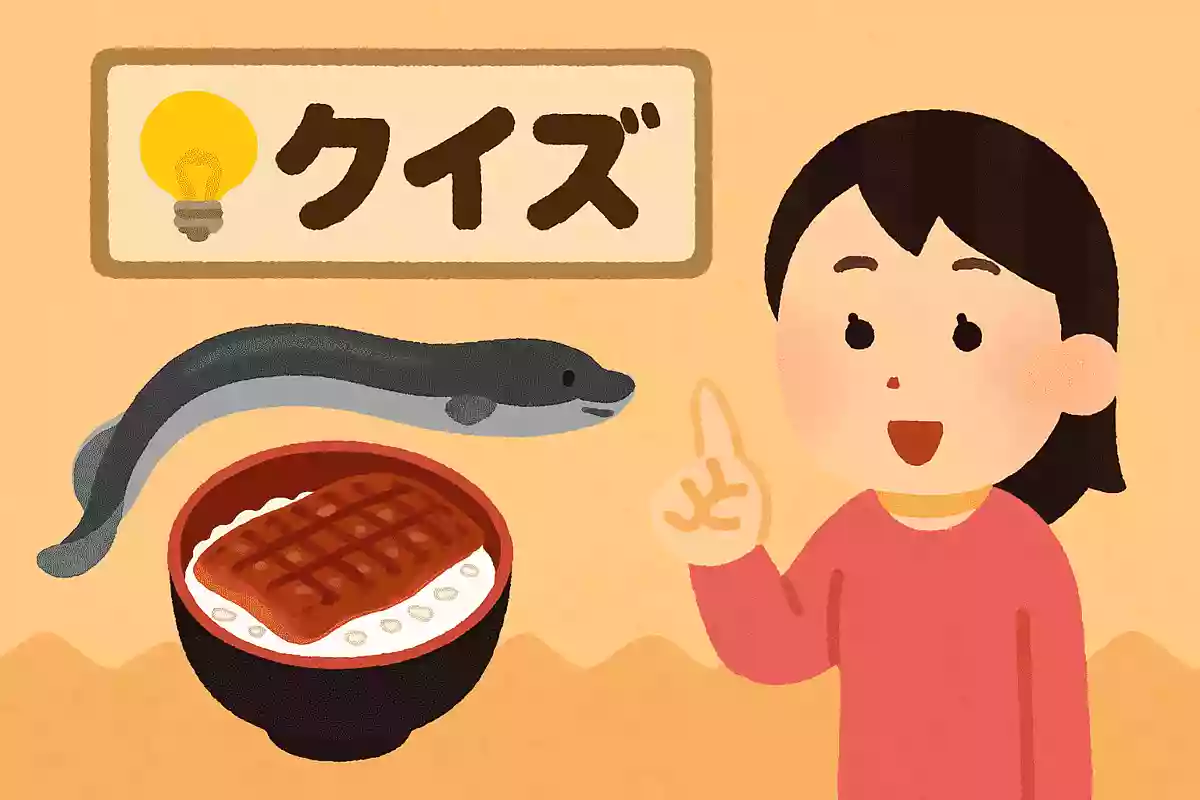
When is eel in season?
- June to August
- October to December
- January to March
See the answer
October to December
Eel is often associated with summer, but its true season is from October to December, just before winter. That’s when eels are at their most delicious because they’ve stored up fat to get through the cold. In other words, the eel eaten in summer for the so-called Day of the Ox (Doyo no Ushi no Hi) is actually out of season. To help eel shops sell eel in summer, the custom was proposed of eating eel on the Day of the Ox.
Which of the following is correct regarding how to butterfly eel for kabayaki?
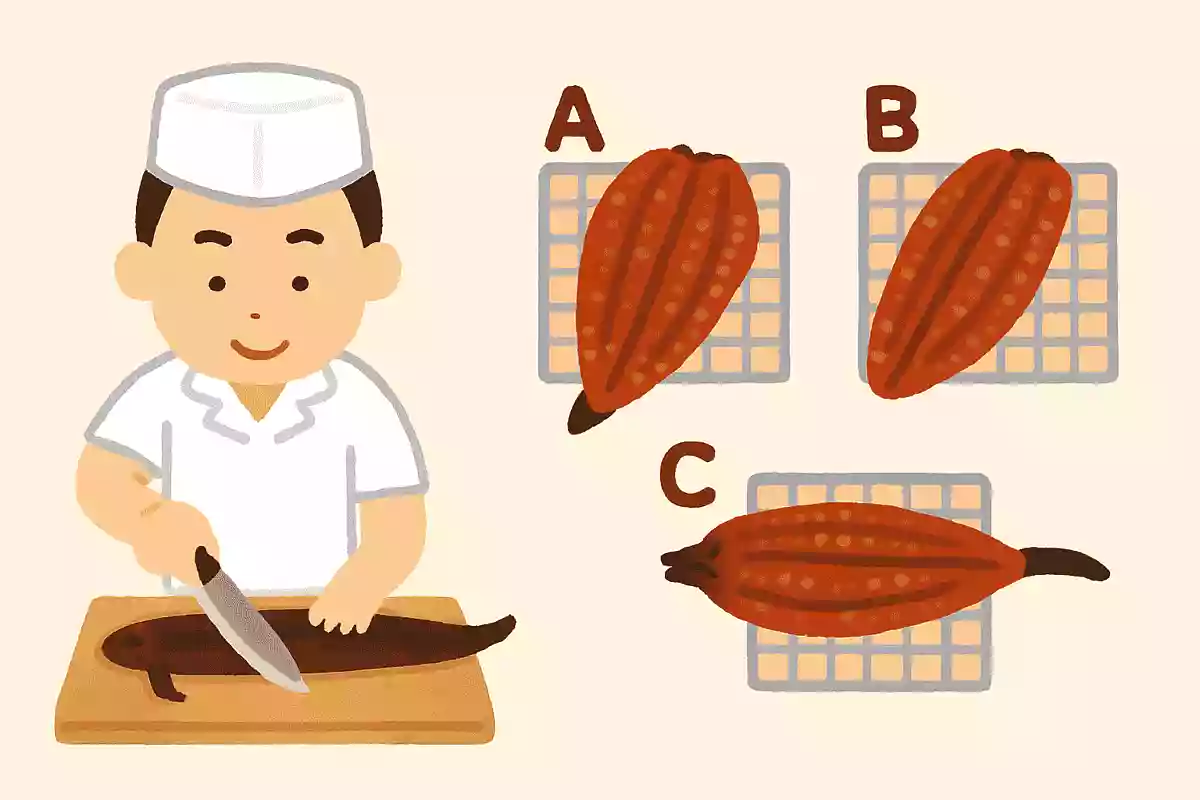
- In Kanto they split the fish from the back; in Kansai they split it from the belly.
- In the Kanto region it’s cut open from the belly; in the Kansai region it’s cut open from the back.
- There is no difference between Kanto and Kansai.
See the answer
In Kanto they split the fish from the back; in Kansai they split it from the belly.
For grilled eel (kabayaki), it’s traditional to split from the back in the Kanto region and from the belly in the Kansai region. One explanation is that Kanto was a town of samurai, so they avoided associations with seppuku and opened the eel from the back, while Kansai was a town of merchants, so the custom of “speaking openly” (literally, splitting the belly) led to opening it from the belly. It shows how local cultures and customs even influence cooking methods.
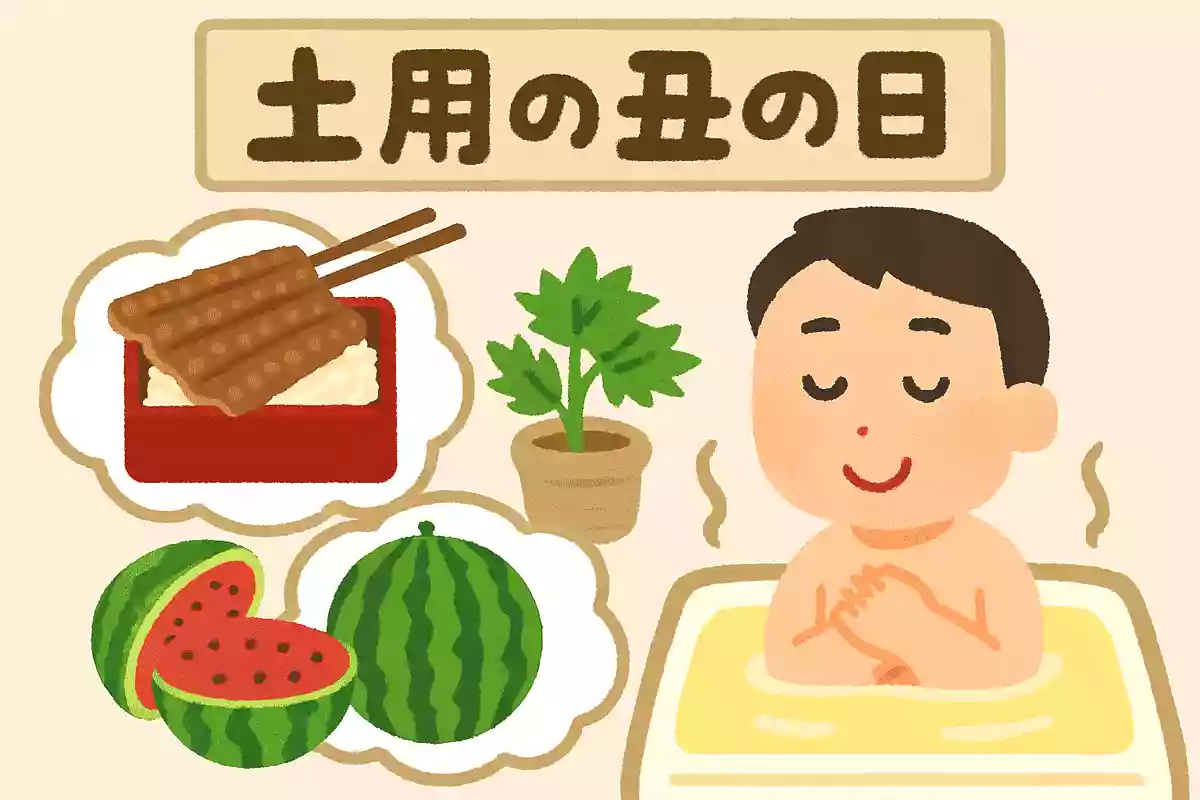
What is considered good to do on the Day of the Ox?
- Clean the house
- Soak in a hot spring
- Go on a trip
See the answer
Soak in a hot spring
On the Day of the Ox during Doyo, there is a custom called ushi-yu: taking one’s time soaking in a hot spring or bath to care for a body tired from the summer heat. This practice is rooted across Japan, and Aomori Prefecture’s Ushi-yu Festival is especially well-known.