

Piano is easy! A selection of sheet music that beginners can play with both hands

One reason people feel that “the piano is hard…” is that they often try to tackle pieces or arrangements that are too difficult from the start.
Even YouTuber pianists who play freely and professional performers began by carefully reading simple scores and practicing slowly with one hand.
In other words, no one can suddenly play difficult pieces smoothly from the get-go!
So this time, we’re introducing easy arrangements of famous pieces that beginners can use to challenge hands-together playing without overexerting themselves.
We’ve selected a wide range—from classical to film music to pop—so pick a piece you like and give it a try!
- [Easy to Play Even If You're Not Good with Both Hands!] Simple piano pieces for absolute beginners. Recommended piano songs.
- [Super Easy] Piano Sheet Music Beginners Can Play | Available for Immediate Download!
- Recommended for piano beginners! 10 sheet music picks that adults can enjoy too
- For Beginners: Easy to Play and Sounds Impressive! Pieces That Shine at Piano Recitals
- [For Piano Beginners] Play Right Now with Free Sheet Music! A Roundup of Recommended Practice Pieces
- [Piano Beginners] J-POP That Looks Hard but Is Surprisingly Playable [2026]
- Piano Masterpieces: Surprisingly Easy Despite Sounding Difficult!? A Curated Selection Perfect for Recitals
- Even beginners can play them easily on the piano! A curated selection of popular and latest J-POP songs.
- [Beginner] Recommended for adult piano beginners! Beautiful & stylish piano pieces
- [Anisong] Easy for Piano Beginners! Recommended Practice Pieces
- [Beginner] Also great for piano recitals! Classical pieces that look cool when you can play them
- [Piano Pieces] Easy for Children to Play! A Roundup of Simple Classical Works
- [Piano Sheet Music] Free downloads available! A roundup of easy-to-play pieces
Piano is easy! A selection of sheet music beginners can play with both hands (21–30)
Sometimes, old storiesHisaishi Joe
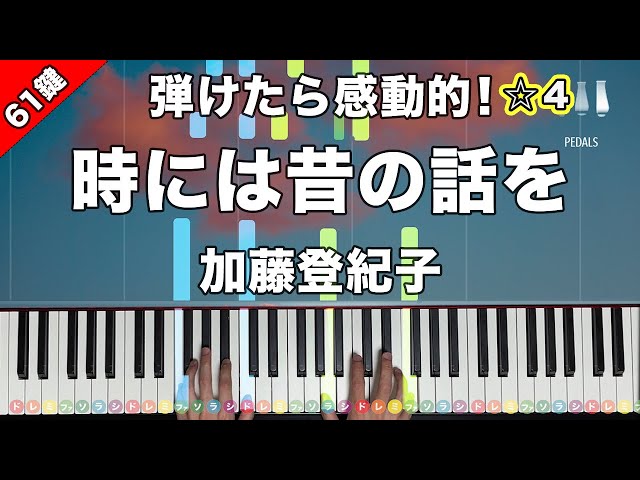

It’s a piece whose melancholy, chanson-like melody lingers in the heart, gracing the ending of the film Porco Rosso.
Originally created by Tokiko Kato in 1987, it was given a grand orchestral arrangement for the movie.
The lyrics warmly look back on days gone by, mirroring the protagonist Porco’s outlook on life and lending the story a deep afterglow.
This song also carries a heartwarming anecdote in which words from the lyrics inspired the studio’s name.
With its exquisitely beautiful melody line, even a simple accompaniment allows you to fully savor the song’s tender, bittersweet atmosphere.
It’s a piece I highly recommend to anyone who wants to immerse themselves in the story and perform with heartfelt emotion.
On a sunny dayHisaishi Joe
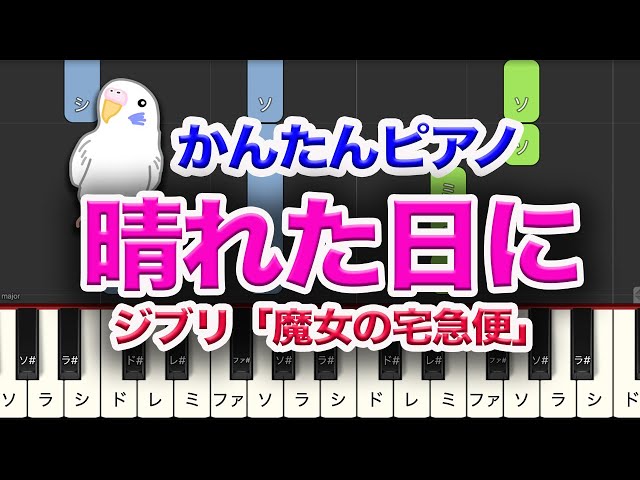
This buoyant waltz colors the scene in Kiki’s Delivery Service where the protagonist sets off with hope in her heart.
The melody, brimming with exotic flair from the accordion and mandolin, seems to capture the anticipation of entering a new world.
Although it was reportedly composed at a rapid pace to coincide with the film’s July 1989 release, the piece’s expansive, joy-filled lines betray none of that rush and are truly captivating.
Its steady, easy-to-grasp triple meter makes it a great recommendation for piano learners.
Start by playing the beautiful right-hand melody as if singing it, then add the simple accompaniment; you’ll find it leads smoothly to playing with both hands.
First workday of the yearHisaishi Joe


This is an unforgettable piece with a buoyant 4/4 rhythm that plays when the protagonist heads out for her very first job in Kiki’s Delivery Service.
A mandolin-like accompaniment intertwines with a charming, flute-like melody, carrying with it the exhilaration of soaring over European cityscapes and a feeling of hope.
The music captures the thrill of taking a new step, and the melody is so approachable that you’ll find it a joy to perform, as if stepping right into the world of the story.
When you play this piece, cherish a light, skipping rhythm.
As you imagine the heroine flying straight through the sky, add expressive nuance to your sound and perform—an ode that has been loved ever since the film’s 1989 release.
Someone at any timekōryū

This is the song that graces the ending of the 1994 film Pom Poko, with a melody that feels nostalgic and warm, resonating in the heart.
The acoustic, borderless sound—featuring instruments like the sanshin banjo—gently envelops the film’s finale.
The piece carries a message of not forgetting the places you hold dear even when you leave your hometown, and a hope that hardships can one day be overcome—echoing the raccoons’ story and touching the heart.
It’s a calm ballad, so the key is to play in a way that lets the melody sing.
Since the melody and accompaniment are clearly defined, it’s perfect for those who want to get used to playing with both hands.
Let the warm chords ring out carefully and try to express the original track’s comforting, embracing feel.
Love is a flower, and you are its seed.Amanda McBroom

Many people were likely moved by the deeply resonant vocals that play over the ending of the film “Only Yesterday.” The song is widely known through Bette Midler’s performance and won a Golden Globe in 1980.
While comparing love to harsh things like a river and a knife, it ultimately portrays it as a hopeful flower—a truly wonderful, universal message.
The melody line is exceptionally beautiful, so even with simple accompaniment, you can fully savor the warm world the piece embodies.
The key is a relaxed tempo, playing the melody with tenderness.
By putting your heart into each and every note, you’ll create a rich performance that resonates deeply with listeners.
The River of That DayHisaishi Joe


This piece, from the film “Spirited Away,” leaves a lasting impression with its quiet, nostalgic melody that symbolizes the shifting emotions of the protagonist.
The gentle, unhurried piano timbre evokes a bittersweet yet warm feeling, as if recalling past memories or something precious.
In fact, this work was originally a song with vocals, included on the album “Spirited Away: Image Album” released in April 2001, and in the film it was used in an arrangement centered on the piano.
It has been loved beyond the framework of the movie, serving as background music for TV programs and stage productions as well.
It’s a perfect piece for those who want to play as if cherishing each note and weaving a story.
Aim for careful sound production that highlights the beauty of the melody, and try performing while picturing the scenes in your mind!
Round Dance of the Sunflower HouseHisaishi Joe

This piece, inspired by the “House of Sunflowers” that appears in the film Ponyo on the Cliff by the Sea, features a tender, compassionate melody that resonates with the heart.
Included on the album Ponyo on the Cliff by the Sea: Image Album released in March 2008, the track gently portrays the calm everyday life at the twilight of one’s years and the bittersweet wishes quietly held within it.
Its beautiful rondeau-like motif and clear, pure vocals warmly embrace the profound theme of the brilliance of life.
When playing it on the piano, try to spin the notes as if singing the melody, with a sense of care and affection.
Deeply connected to the story, this work is perfect for those who want to take their time and play a beautiful piece with heartfelt emotion.