

[Easy to Play Even If You're Not Good with Both Hands!] Simple piano pieces for absolute beginners. Recommended piano songs.

For those just starting the piano, playing with both hands is probably the first big hurdle, isn’t it?
It’s especially confusing when your hands have to move differently.
In more difficult pieces, it’s normal for the left hand to play octaves, and fast passages appear frequently.
Of course, few people tackle such pieces right from the start, but many still choose the wrong pieces to begin with.
This time, we’ve selected some of the simplest works from the piano repertoire, especially for beginners.
- Even beginners can play them easily on the piano! A curated selection of popular and latest J-POP songs.
- [Disney] Playable even if you’ve just learned Do-Re-Mi! A selection of iconic songs from beloved Disney animations
- [Beginner] Start Here: Classic Practice Pieces Recommended for Adult Piano Beginners
- Recommended for piano beginners! 10 sheet music picks that adults can enjoy too
- [Free Piano Sheet Music] Beginner-Friendly! Carefully Selected Pieces Available for Immediate Download
- Beginner Piano: Carefully Selected Easy and Famous Pieces You Can Play with One Octave
- Piano is easy! A selection of sheet music that beginners can play with both hands
- [Piano Pieces] Easy for Children to Play! A Roundup of Simple Classical Works
- [Piano Etudes] Recommended for Beginners! A Curated Selection of Easy, Playable Pieces
- Disney Classics on Piano: A Curated Selection of Easy Pieces, Perfect for Recitals
- [Piano Sheet Music] Free downloads available! A roundup of easy-to-play pieces
- [Super Easy] Piano Sheet Music Beginners Can Play | Available for Immediate Download!
- Piano Masterpieces: Surprisingly Easy Despite Sounding Difficult!? A Curated Selection Perfect for Recitals
[Even If You're Not Good With Both Hands, It's Easy to Play!] Simple Piano Pieces for Absolute Beginners. Recommended Piano Pieces (21–30)
Someone at any timekōryū

This is the song that graces the ending of the 1994 film Pom Poko, with a melody that feels nostalgic and warm, resonating in the heart.
The acoustic, borderless sound—featuring instruments like the sanshin banjo—gently envelops the film’s finale.
The piece carries a message of not forgetting the places you hold dear even when you leave your hometown, and a hope that hardships can one day be overcome—echoing the raccoons’ story and touching the heart.
It’s a calm ballad, so the key is to play in a way that lets the melody sing.
Since the melody and accompaniment are clearly defined, it’s perfect for those who want to get used to playing with both hands.
Let the warm chords ring out carefully and try to express the original track’s comforting, embracing feel.
Love is a flower, and you are its seed.Amanda McBroom

Many people were likely moved by the deeply resonant vocals that play over the ending of the film “Only Yesterday.” The song is widely known through Bette Midler’s performance and won a Golden Globe in 1980.
While comparing love to harsh things like a river and a knife, it ultimately portrays it as a hopeful flower—a truly wonderful, universal message.
The melody line is exceptionally beautiful, so even with simple accompaniment, you can fully savor the warm world the piece embodies.
The key is a relaxed tempo, playing the melody with tenderness.
By putting your heart into each and every note, you’ll create a rich performance that resonates deeply with listeners.
[Easy to Play Even If You're Not Good with Both Hands!] Super Beginner-Friendly Simple Piano Pieces: Recommended Piano Songs (31–40)
Arrietty’s SongCecile Corbel
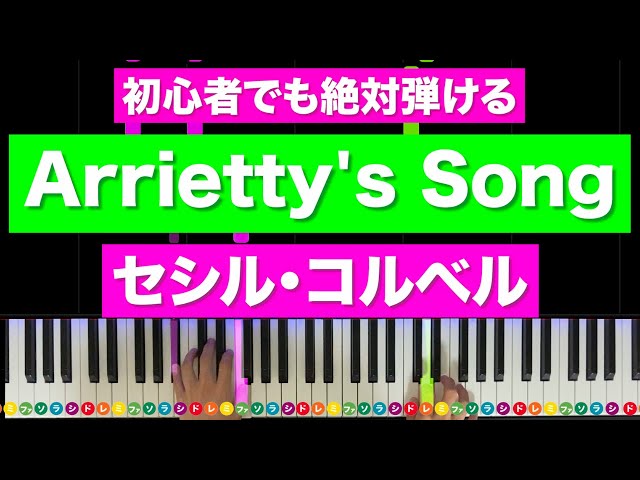
Many people have surely been captivated by Cécile Corbel’s translucent voice and the magical sound of her harp! The theme song from the film “The Secret World of Arrietty” features a beautiful melody and a relaxed tempo, making it easy to perform.
The work is also known for winning the Tokyo Anime Award for Music in 2011.
The lyrics seem to embody the earnest feelings of the tiny protagonist and a way of life in harmony with nature.
To recreate this delicate worldview, the key is to play lightly and fluidly, like harp arpeggios.
If you aim for a whisper-soft, gentle tone, you can achieve a highly polished performance even with fewer notes.
Hanyu no YadoInguranndo min’yō
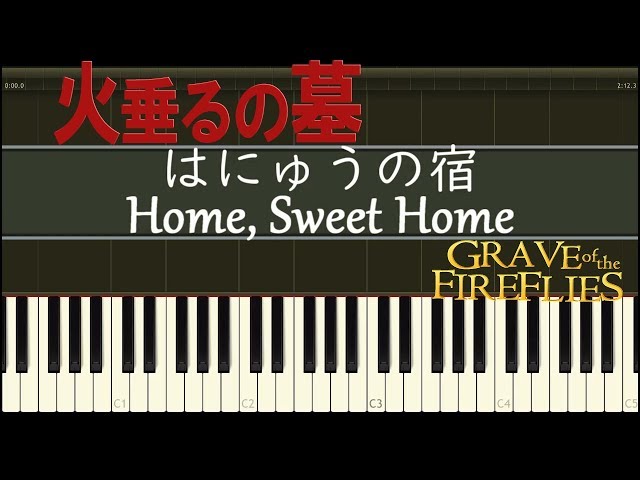

An insert song from Studio Ghibli’s film “Grave of the Fireflies,” whose gentle, faintly nostalgic melody sinks deeply into the heart.
Ever since the film’s 1988 release, many people may remember it as the music that plays in scenes symbolizing the days the brother and sister spent together.
The song’s theme—“No matter how humble the house, home is best”—is deeply intertwined with the story, softly speaking of a longing for the lost calm and a tender love for family.
Because of its relaxed tempo, playing without haste and cherishing each note leads to a beautiful resonance.
If you perform while imagining the story woven into the melody, it will surely reach the listener’s heart.
Round Dance of the Sunflower HouseHisaishi Joe

This piece, inspired by the “House of Sunflowers” that appears in the film Ponyo on the Cliff by the Sea, features a tender, compassionate melody that resonates with the heart.
Included on the album Ponyo on the Cliff by the Sea: Image Album released in March 2008, the track gently portrays the calm everyday life at the twilight of one’s years and the bittersweet wishes quietly held within it.
Its beautiful rondeau-like motif and clear, pure vocals warmly embrace the profound theme of the brilliance of life.
When playing it on the piano, try to spin the notes as if singing the melody, with a sense of care and affection.
Deeply connected to the story, this work is perfect for those who want to take their time and play a beautiful piece with heartfelt emotion.
Main themehoshikatsu


This is the music from the film Only Yesterday that evokes memories from long ago, as if they spring vividly to life in the protagonist’s heart.
Released in July 1991, the film uses this beautiful melody to accompany the inner landscapes of a 27-year-old woman as she recalls her 10-year-old self.
Featured on the album Only Yesterday Original Soundtrack, the piece is characterized by a quiet, nostalgic tone centered on piano arpeggios.
With its relaxed tempo and gentle movement, it’s approachable even for those new to the piano.
Cherish the clear, shimmering resonance—as if fragments of memory are sparkling—and play each note with care.
Aladdin “Friend Like Me”Alan Menken

It’s a memorable number performed in the scene where Genie meets Aladdin.
With a jazzy, up-tempo feel and humor-filled lyrics, it skillfully captures Genie’s cheerful personality and limitless power.
The arrangement prominently features the brass section, making it an irresistible piece for listeners.
In July 2019, Koichi Yamadera performed it on the TV program Music Station, drawing a lot of attention.
Incorporating elements of jazz and cabaret, the song has an easy-to-follow melody and a modest vocal range, making it perfect for instrumental practice.
Among Disney’s classics, it’s a particularly upbeat, feel-good tune, recommended for fans of jazz and blues.