


In this article, we’ll introduce a wide selection of autumn songs that will feel familiar to people in their 80s.
When it comes to songs well-known among those in their 80s, Showa-era hit tunes surely come to mind.
This time, we’ve also included traditional songs and children’s songs, gathering recommendations perfect for people in their 80s.
They range from pieces with friendly, easy-to-sing melodies to songs whose lyrics evoke nostalgia.
Listen to and sing along with the songs we’re about to introduce together with someone in their 80s, and enjoy a wonderful time.
- Recommended youth songs for people in their 80s: A collection of nostalgic classics
- [For Seniors] Autumn Songs That Touch the Heart: From Nostalgic Children’s Songs and School Songs to Showa-Era Kayōkyoku
- Recommended autumn songs for people in their 70s: A collection of nostalgic fall tunes
- Recommended autumn songs for people in their 90s: A collection of Showa-era autumn tunes
- Great songs recommended for people in their 80s: a collection of tracks with lyrics that touch the heart
- [For Seniors] Classic Autumn Songs to Sing in November: From Children’s Songs to Popular Enka and Kayōkyoku
- Lively songs recommended for people in their 80s: A collection of nostalgic enka and kayōkyoku
- A collection of cheerful, uplifting songs recommended for women in their 80s—fun, bright tunes to sing along to
- Recommended Autumn Songs for People in Their 80s: A Collection of Seasonal Kayōkyoku and Children's Songs
- [For Seniors] Heartwarming Winter Classics: A Cozy Moment with Nostalgic Kayōkyoku and Traditional Songs
- Recommended love songs for people in their 80s: A collection of classic love songs that colored the Showa era
- [For Seniors] A heartwarming round song. Let’s layer our voices with this nostalgic classic.
- [For Seniors] Recommended Spring Songs for People in Their 70s: A Collection of Nostalgic Spring Tunes
Recommended Autumn Songs for People in Their 80s: A Collection of Seasonally Inspired Kayōkyoku and Children’s Songs (1–10)
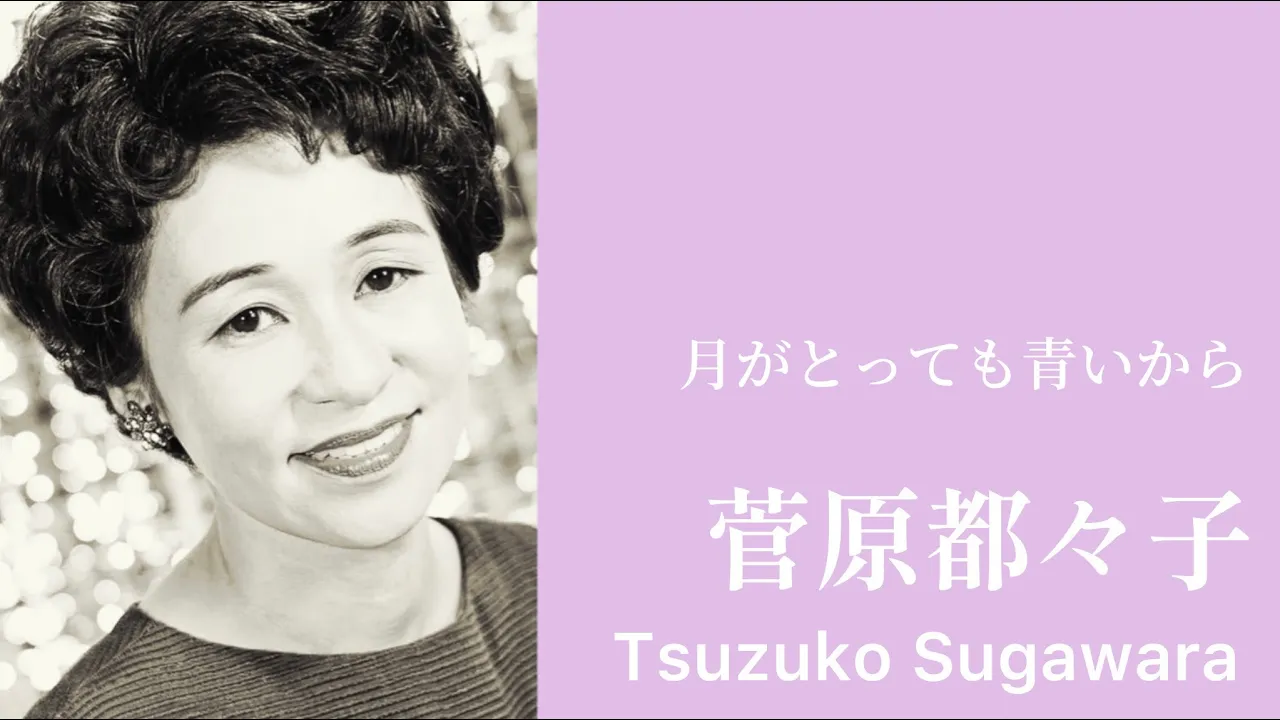
Because the moon is so very blueSugawara Totoko

Totoko Sugawara’s classic “Because the Moon Is So Blue” is a song cherished by many seniors for its lyrics that evoke the poignancy and beauty of autumn nights, set to a lovely melody.
Despite the music market being only about one-thirtieth the size it is today at the time of its 1955 release, the song became a massive hit, selling over one million copies.
It is said to have been inspired by “Suzukake no Komichi” on the Rikkyo University campus, and it memorably depicts two people who meet by chance walking there under the moonlight.
The song also served as the theme for a Nikkatsu film of the same name, and it has since secured its status as a standard, covered by many artists including Yujiro Ishihara and Masako Mori.
It’s a piece you’ll want to listen to on a long autumn night while gazing at the moon and indulging in fond memories.
A café in a student districtGaro

GARO’s “Gakuseigai no Kissaten” (The Coffee Shop in the Student Quarter) is a moving classic where a beautiful melody and delicate lyrics blend exquisitely.
It conveys a longing for bygone student days and a desire to cherish irreplaceable memories.
Released in 1972, it became a major hit, spending seven consecutive weeks at No.
1 on the Oricon charts.
For those in their 80s, it’s sure to be a lovely cue to remember their youth.
Why not relax, listen to the music, and let your thoughts drift back to those days?
Adolescence (with an autumnal/reflective nuance)Iwasaki Hiromi

Hiromi Iwasaki’s classic song “Shishūki” (Autumn of Youth) skillfully portrays the fragility and beauty of adolescence.
As autumn arrives, fading feelings of love and the loneliness and anticipation of stepping into adulthood seep into the heart through Iwasaki’s delicate vocals.
Released in 1977, the piece is a gem from the golden duo of Yū Aku and Takashi Miki.
Set to a nostalgic melody, the lyrics poignantly sing of the transition from eighteen to nineteen—something anyone who has experienced adolescence can relate to.
It’s also lovely to listen to this song at dusk while gazing at the twilight sky.
Stars in the night skyKayama Yūzō

Yuzo Kayama’s “Yozora no Hoshi” (Stars in the Night Sky) is a classic released in December 1965.
With romantic lyrics that depict the beauty of the night sky and the bond between lovers, paired with Kayama’s warm vocals, the song truly moves the heart.
It was also used as a memorable theme song for the film “The Young Guy with an Electric Guitar,” and can be considered a piece that symbolizes Kayama’s versatile talent.
It’s the perfect song for gazing up at the night sky and envisioning a future walked together with someone special.
Be sure to listen to it while looking at the stars—it will surely kindle a light of hope in your heart.
Harvest Moon over Mount AkagiTōkairin Tarō

Taro Shoji’s “Meigetsu Akagiyama” is one of the iconic masterpieces of the Showa era.
Since its release in 1939, it has been cherished by many, and its lyrics—depicting the beautiful scenery of Mount Akagi and the brave life of Kunisada Chūji—are deeply etched in the hearts of the Japanese people.
Clad in a tailcoat and singing with a perfectly upright posture, Shoji’s majestic voice moved all who listened.
Leading Japan’s music scene from before the war through the postwar period, Shoji’s songs continue to shine without losing their luster.
How about listening to this classic together with someone in their eighties? It will surely bring back memories of those days.
Good evening, Mr. Moon.Fujishima Takeo

Toshio Fujishima’s classic “Good Evening, Moon.” Its melody evokes a bittersweet longing and nostalgia, and the lyrics—set in the Japanese countryside—leave a lasting impression.
With an apple orchard as the backdrop, the words speak to the moon as if confiding lingering feelings and deep affection for a lover once shared time with.
Released in 1957, the song is widely cherished as one of Fujishima’s signature works and is still sung today, including at karaoke.
Why not let this nostalgic tune play as you leisurely reminisce? I hope you can enjoy a warm, comforting moment while looking back on the past.
cosmos (flower)sadamasashi

Sadamasashi’s heartrending classic “Cosmos (Akizakura).” With delicate lyrics, it traces a bride-to-be’s feelings for her mother.
She looks back on childhood memories while facing the hopes and anxieties of a new beginning, and expresses profound gratitude to the mother who has supported her.
The depth and tenderness of the bond between daughter and mother are truly moving.
Released in October 1977 and performed by Sada Masashi himself on March 25, 1978, the song has been covered by many artists and performed multiple times on NHK’s Kōhaku Uta Gassen.
It is a Showa-era masterpiece.
Sing it with older listeners, and you’ll surely be wrapped in a warm atmosphere as you reminisce about the past.