

[For Seniors] A Collection of Recommended Spring Songs for People in Their 80s

For those in their 80s looking for songs perfect for spring.
In this article, we’ll introduce recommended songs that are just right for the season.
From the postwar era, we’ve gathered mainly cheerful tunes that lift your spirits.
Some of you may remember hearing them on the radio.
When singing in a group at a senior facility, adding handclaps helps create a sense of unity.
Also, the shoka (school songs) composed in the Meiji and Taisho periods feature beautifully expressive lyrics that vividly evoke springtime scenes.
By all means, try singing them while recalling the landscapes of your hometown.
- [For Seniors] Recommended Spring Songs for People in Their 70s: A Collection of Nostalgic Spring Tunes
- [For Seniors] Songs to Hum in March: Heartwarming Moments with Nostalgic Classics that Evoke Spring
- [For Seniors] Spring Songs You'll Want to Hum: Feel the Season with Nostalgic Classics
- Lively songs recommended for people in their 80s: A collection of nostalgic enka and kayōkyoku
- [For Seniors] Recommended spring songs for people in their 90s: A collection of Shōwa-era spring tunes
- Recommended youth songs for people in their 80s: A collection of nostalgic classics
- [For Seniors] Classic spring songs to sing in April: A heartwarming moment with nostalgic children’s songs and kayōkyoku (Japanese popular songs)
- For seniors: Recommended youthful songs for people in their 90s. A collection of classic Showa-era hits.
- [Recommended for people in their 70s] Songs that really move you. Beloved classic Japanese hits of the past.
- A collection of cheerful, uplifting songs recommended for women in their 80s—fun, bright tunes to sing along to
- [For Seniors] Winter Classics to Sing in January: Heartwarming Moments with Nostalgic Children’s Songs and Kayōkyoku (Japanese Popular Songs)
- Energizing songs recommended for men in their 80s: A collection of nostalgic tracks that give you strength
- [For Seniors] Heartwarming Winter Classics: A Cozy Moment with Nostalgic Kayōkyoku and Traditional Songs
[For Seniors] Recommended Spring Songs for People in Their 80s (21–30)
cherry blossomMoriyama Naotaro
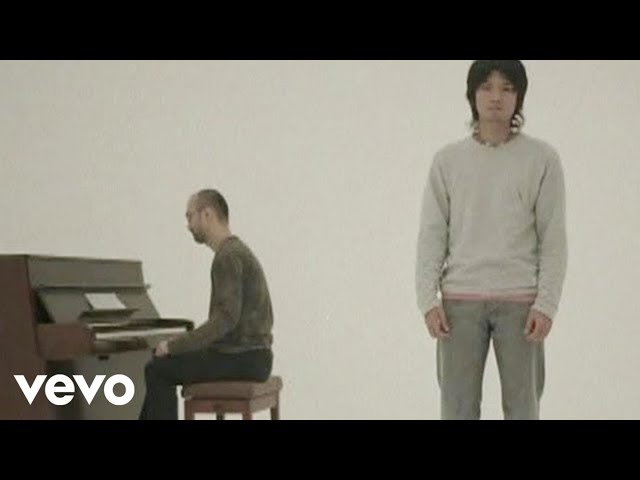
Speaking of cherry blossoms, they are beautiful flowers that herald the arrival of spring.
This song is a masterpiece that overlays the fleeting nature of sakura with the transience of life.
Naotaro Moriyama’s gentle voice vividly depicts a farewell beneath rows of cherry trees.
Released in March 2003, it became a massive hit, selling over one million copies.
Many may know it as the ending theme for the MBS/TBS program “Sekai Ururun Taizaiki.” It’s a song that resonates at life’s milestones and moments of parting.
How about listening to it with older adults and basking in nostalgic memories? Wrapped in the warmth of spring, you can spend a heartwarming moment together.
Let’s get married.yoshida takurou
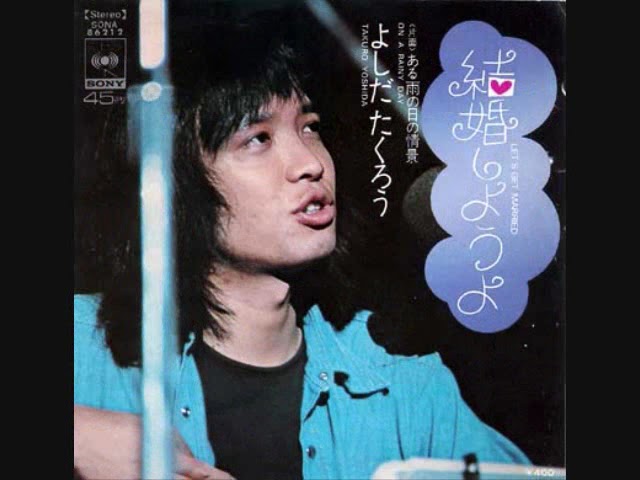
This work is memorable for its translucent, beautiful melody and sweet, poignant vocals.
Released in 1972, the song marked a major turning point in the history of folk music.
Centered on acoustic guitar, its warm sound creates an atmosphere that gently envelops feelings of love.
While poetically depicting springtime scenes, Takuro Yoshida expresses sincerity and pure affection.
Simple yet profound in its message, this classic reached a peak of No.
3 on the Oricon weekly chart.
Its heartwarming, gentle tone and tender vocal timbre enrich everyday moments.
It’s a song to savor slowly on a blossoming spring day, reminiscing with those of the same generation as memories come into full bloom.
[For Seniors] Recommended Spring Songs for People in Their 80s (31–40)
strollInoue Azumi

When you feel the warm spring sunshine, it makes you want to go outside and get moving, doesn’t it? The perfect choice for times like that is this piece, known as the opening theme song of Studio Ghibli’s film My Neighbor Totoro.
Although it’s a song from the film released in 1988, it had actually already been included on the image album My Neighbor Totoro: Image Song Collection, which came out in November 1987, before the movie’s release.
Azumi Inoue’s clear vocals and Joe Hisaishi’s march-like rhythm alone are enough to put a spring in your step.
The lyrics feature familiar scenes like hills and tunnels one after another, brimming with an exciting sense of setting off on an adventure.
How about enjoying it during rehab or exercise time, imagining everyone swinging their arms energetically as they walk together?
Cotton MoodAnri

Doesn’t this timeless song, which breezily heralds the arrival of spring, bring back nostalgic memories of your youth? Released by Anri in April 1981, this piece beautifully captures the season of open blue skies with its light melody and fashionable lyrics.
The upbeat words convey a sense of freedom and the thrill of romance.
It was also used in commercials for Nivea-Kao’s cologne and for Nisshinbo, making it a tune beloved by many.
Its rhythm is so delightful that you’ll naturally want to clap along when the music starts.
How about spending a moment singing it together with fellow seniors and letting cherished memories blossom in conversation?
My heart is stop-motionKuwae Tomoko

This song captures the thrilling moment of a new encounter that makes the heart dance with the arrival of spring.
Tomoko Kuwae’s clear, translucent voice gently wraps the flutter of a love sparked by a chance meeting in an elevator.
The piece beautifully portrays the feeling of one’s heart being set free as the seasons shift from the end of winter to spring.
Released in 1979, it became well-loved as a commercial song for POLA cosmetics and ranked 12th on the Oricon charts.
In 2013, a bossa nova–style arrangement was also released, revealing a new charm.
It’s a highly recommended track for older listeners who wish to spend a heartwarming moment wrapped in fond memories.
Sleep on my chestkaguya hime

This gem of a classic sings of deep love for a partner through a melody full of kindness and heartwarming lyrics.
The words, brimming with compassion and warmth, convey the importance of supporting one another.
The gentle lead vocals are layered with the beautiful timbres of cello and violin, creating a soothing piece.
Released as a single in July 1973, it peaked at No.
72 on the Oricon charts and sold approximately 250,000 copies.
It also became well-loved as the theme song for Usuki Pharmaceutical’s “Goto-san Cold Medicine” commercial, earning affection across generations.
Resonating with the feeling of caring for someone dear, this is a track you’ll want to hear in the pleasant breezes of spring.
As you listen to the tender vocals, why not let yourself drift into fond memories?
Spring StreamSakushi: Takano Tatsuyuki / Sakkyoku: Okano Teiichi

It’s a traditional song with a gentle melody that makes you want to hum along as spring arrives.
The lyrics, which depict violets and Chinese milk vetch blooming by the riverbank and creatures in the water, are said to be modeled on the Kobunegawa River in Yoyogi, where Tatsuyuki Takano lived at the time.
Published in December 1912 in “Songs for Elementary School, Fourth Grade,” the piece features a tender tune by Teiichi Okano and has long been cherished on programs such as NHK’s “Minna no Doyō.” Its simple, repeated melody is perfect for a round, and when seniors raise their voices together, it naturally creates a lovely sense of unity.
Why not enjoy layering your voices as you imagine the tranquil scenes of spring?