

[For Seniors] Fun Trivia Quiz with Autumn Foods! A Collection of Little-Known Facts

Energize both mind and heart with a trivia quiz about the flavors of autumn! From the mysterious body structure of Pacific saury to the secret behind grapes’ sweetness, it’s packed with fun facts that will make you say, “Wow!” Why not enjoy discovering more about seasonal foods together with older adults as you think through the questions? We’ll bring you a time where everyone can share the joy of that “Aha!” moment when the answer clicks.
This quiz deepens your knowledge of autumn’s delicacies and makes eating even more enjoyable!
- [For Seniors] Let's have fun with an autumn-themed quiz!
- [For Seniors] Fun Food Trivia Quizzes You'll Want to Share
- [For Seniors] Enjoy Brain Training with September Trivia Quizzes & Fun Facts
- For Seniors: Useful Trivia Questions! Introducing Fun Facts Quizzes You'll Want to Share
- [For Seniors] Trivia Quiz & Fun Facts for Everyday Life
- [For Seniors] Fun and Informative! Health Trivia Quiz
- [For Seniors] Challenge Your Brain with a Halloween Quiz! Fun Trivia Questions to Learn and Enjoy
- [For Seniors] How Many Can You Answer? Fun Sushi Trivia Quiz & Tidbits
- [For Seniors] Let’s have fun with October trivia and fun facts quizzes!
- [For Seniors] Boost Your Knowledge! Fun Trivia Quiz
- A Food Quiz for Seniors to Make Eating More Enjoyable
- [For Seniors] Liven Things Up! Fun Fish Trivia Quiz
- [For Seniors] Super Amazing Trivia Quiz! Introducing Practical Tips for Everyday Life
[For Seniors] Fun Trivia Quiz with Autumn Foods! A Collection of Little-Known Facts (1–10)
You can tell fresh Pacific saury by the color at the tip of the lower jaw. Which color is considered good?

- white
- yellow
- black
See the answer
yellow
Fresh Pacific saury have a clean, bright yellow tip on their lower jaw. As they lose freshness, the yellow becomes dull and turns black or grayish. When choosing saury at the supermarket, check the color at the tip of the lower jaw.

What is offered together with pampas grass on the night of the moon-viewing festival?
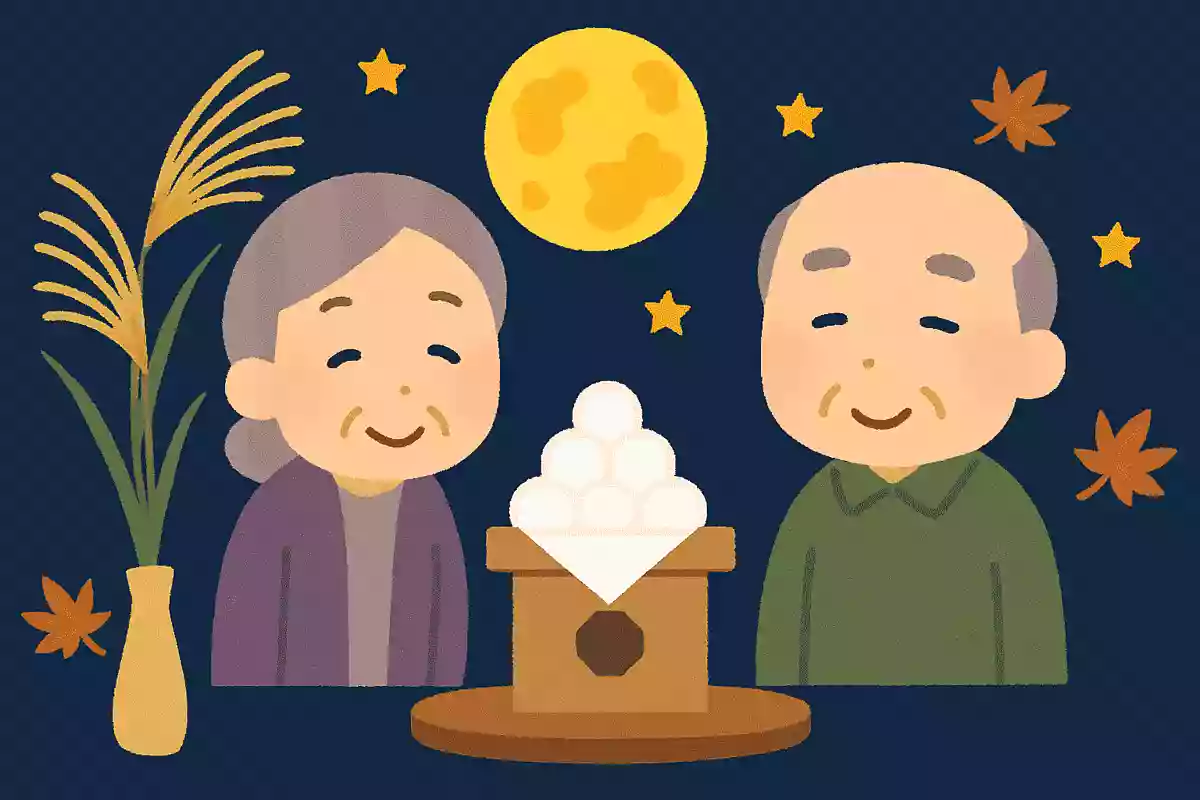
- dumpling
- chestnut
- sweet potato
See the answer
dumpling
As the phrase “the harvest moon” suggests, autumn is a season when the air gradually clears and the moon shines beautifully. In the moon-viewing event known as Otsukimi, what is typically offered alongside pampas grass (susuki)? Even if you’ve never actually done it, many people know about the Otsukimi ritual, so just picturing the scene may help you find the answer. The answer is dango—round rice dumplings modeled after the full moon. There’s a view that fifteen are stacked to correspond to the fifteenth night (Jūgoya), but the shape and number vary by region.

On a bunch of grapes, going along the stem in order of “top,” “middle,” and “bottom,” which part is the sweetest?
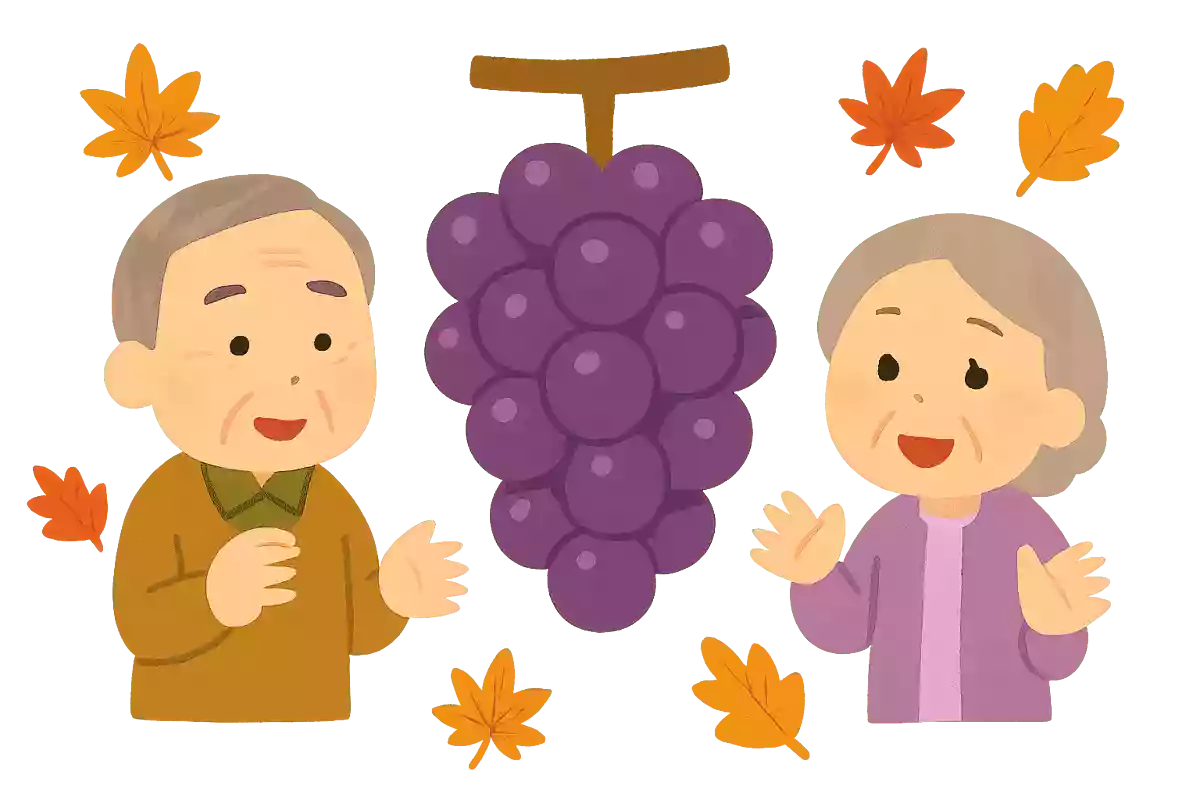
- up; above; on; over; top
- center
- down
See the answer
up; above; on; over; top
One of autumn’s seasonal flavors is grapes. Many people love them. Here’s a quiz for you: “Which part of a bunch of grapes is the sweetest?” You might figure it out if you picture how grapes grow. The correct answer is “the upper part near the stem.” Grapes start to ripen from the part closest to the stem, so the higher up they are, the sweeter they become. So when you eat them, if you start from the less sweet bottom and work your way up, they’ll taste delicious right to the end. This could be a fun question to ask before eating grapes!

[For Seniors] Fun Trivia Quiz with Autumn Foods! A Collection of Little-Known Facts (11–20)
Speaking of the seven flowers of autumn, they are bush clover (hagi), kudzu (kuzu), dianthus (nadeshiko), maiden flower (ominaeshi), thoroughwort (fujibakama), and bellflower (kikyō). What is the last one?

- Japanese pampas grass
- dandelion
- Sakura
See the answer
Japanese pampas grass
When we talk about the “seven herbs,” people often think of the spring seven herbs, but in fact there are also seven in autumn. Of the autumn seven flowers—bush clover (hagi), kudzu (kuzu), pink (nadeshiko), patrinia (ominaeshi), thoroughwort (fujibakama), and bellflower (kikyō)—what is the last one? Unlike the spring seven herbs, which are familiar as edible plants, the autumn seven are ornamental plants said to originate from the Manyōshū. If you think from the perspective of what evokes the feeling of autumn when you see it, you might come up with the answer. It’s susuki (Japanese pampas grass)—a plant indispensable to autumn scenery, often displayed during moon-viewing.
Why do lotus roots have holes?
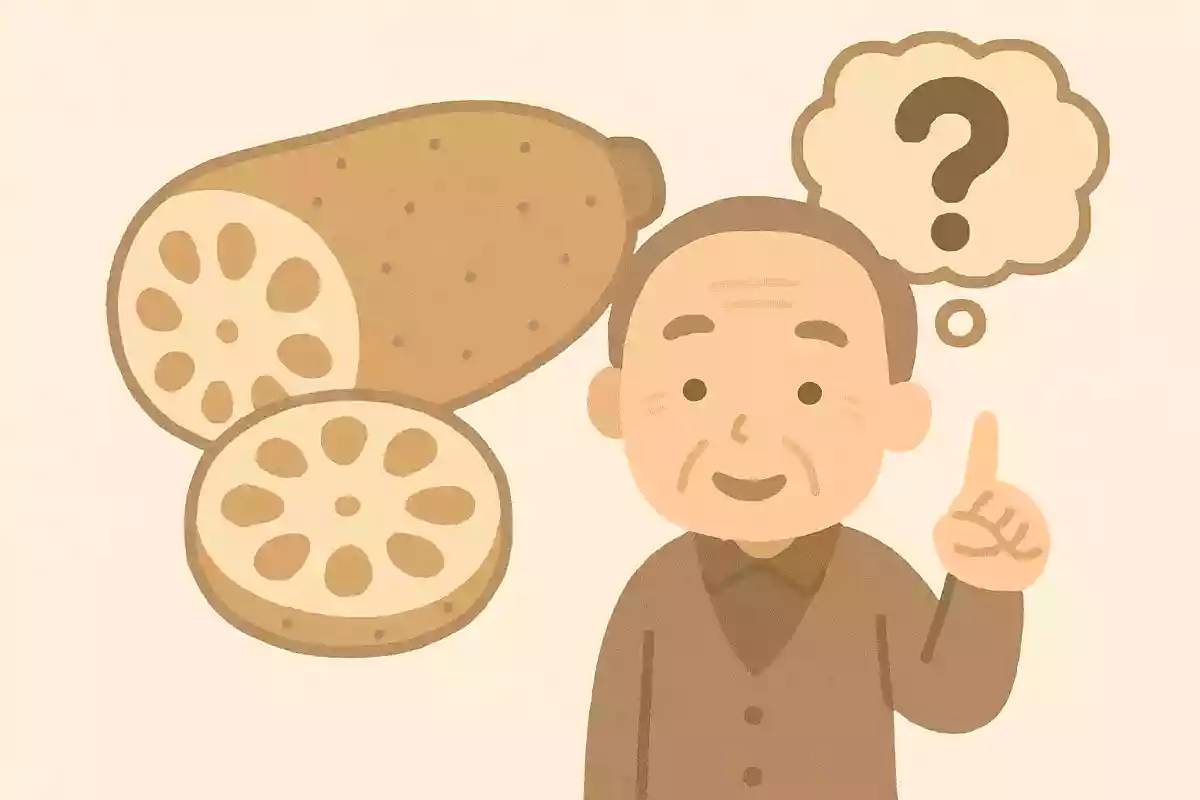
- to store nutrients
- To improve the appearance
- Because it serves as a vent for breathing
See the answer
Because it serves as a vent for breathing
A seasonal ingredient from autumn to winter! Here’s a trivia quiz: Why does lotus root have holes? Lotus root’s unique shape with holes is appealing, but do you know what role those holes play? The answer is: they serve as air passages for breathing. Lotus roots grow in watery soil, but the mud at the bottom has little oxygen for them to breathe. There are many kinds of vegetables, and learning about each of their characteristics is fascinating, isn’t it?
Halloween is held in October. Which vegetable is used for the jack-o’-lantern in this festival?
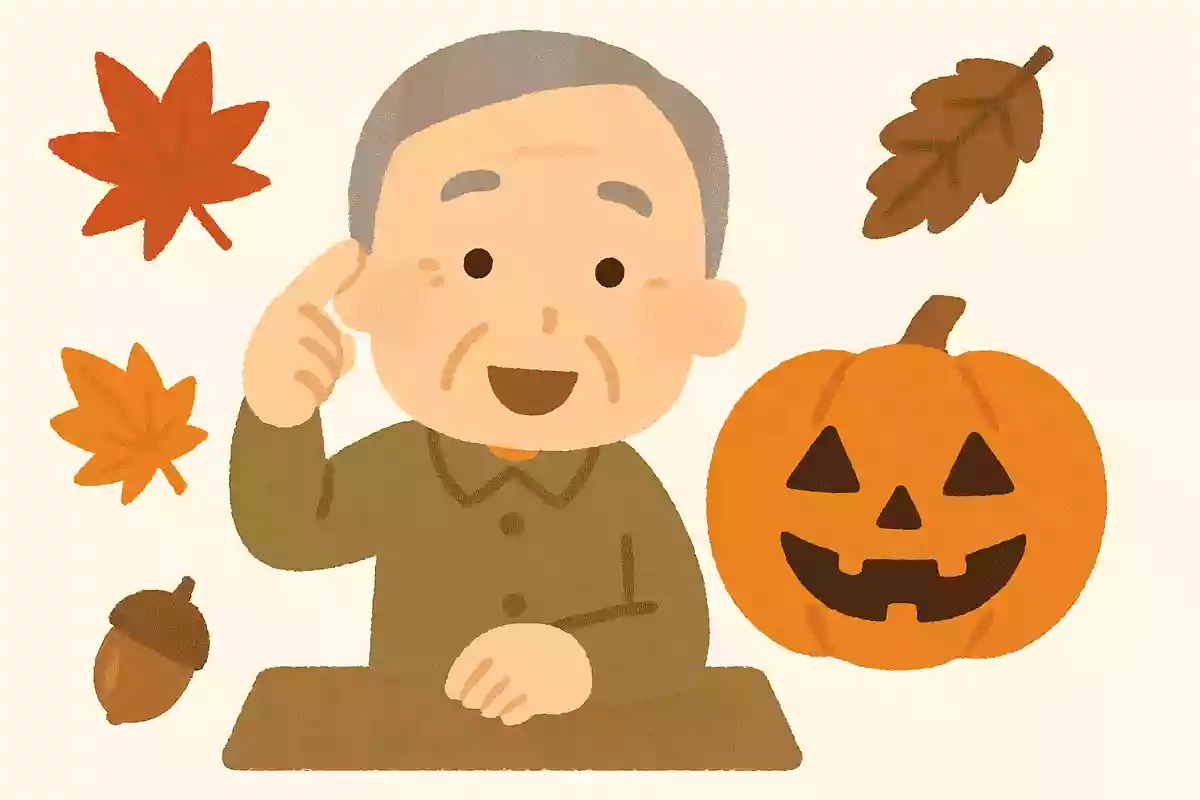
- sweet potato
- daikon radish
- pumpkin
See the answer
pumpkin
One of the major events in October is Halloween. In recent years, more people in Japan have been taking part as well. The symbol of Halloween, you could say, is the jack-o’-lantern. Here’s a question: “What vegetable is used to make a jack-o’-lantern?” The correct answer is pumpkin. The reason is that for the Celts, who came up with Halloween, it was an easy-to-obtain vegetable. It’s interesting to think that a different vegetable might have been used instead.
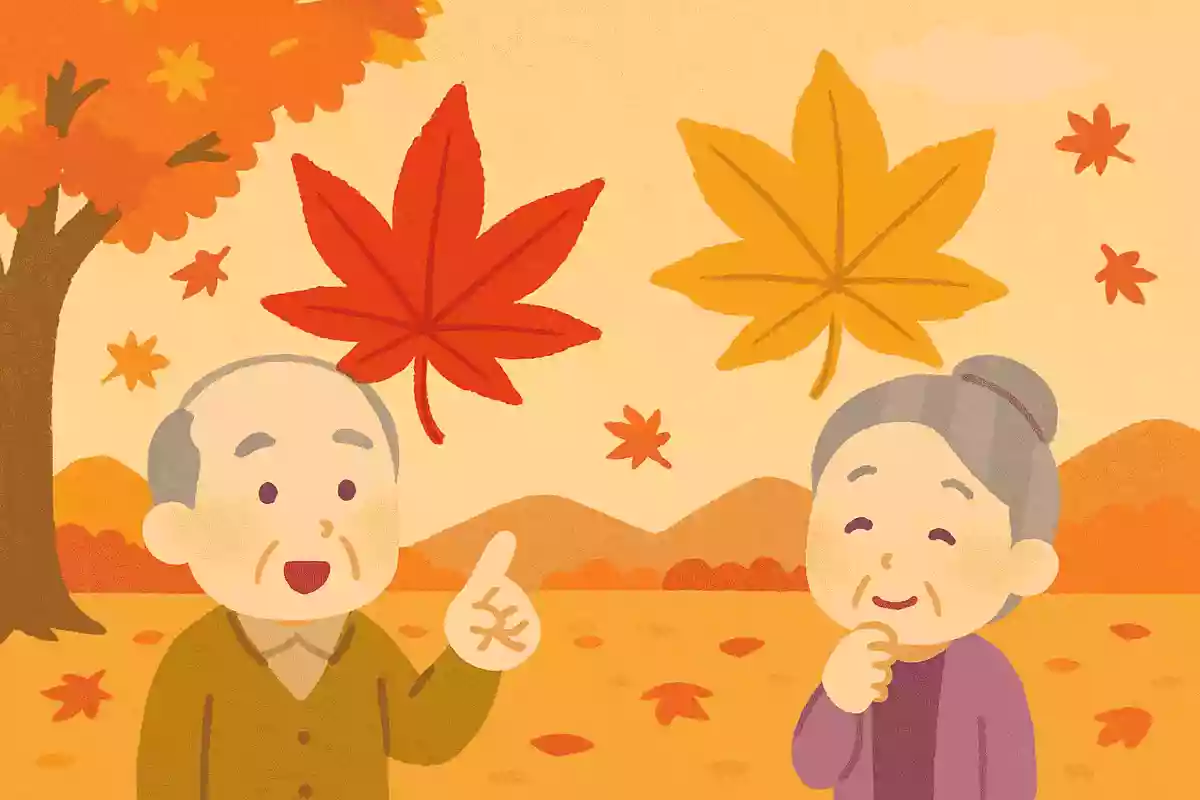
Though both ‘momiji’ and ‘kaede’ color the autumn in similar ways, what is the difference between them?
- trunk thickness
- Number of leaf lobes
- Flower size
See the answer
Number of leaf lobes
Many people enjoy viewing autumn foliage. In particular, Japanese maples (momiji) and maples (kaede) delight us with their beautiful reds. So, what’s the difference between momiji and kaede? You might figure it out by picturing their shapes. The correct answer is the number of lobes (leaf divisions). Momiji typically have 5–6 lobes, while kaede have as many as 9–11. Incidentally, in formal botanical classification, both are considered “kaede” (maples). This makes for a fun bit of trivia to share when you go leaf-peeping.