


For Seniors: Useful Trivia Questions! Introducing Fun Facts Quizzes You'll Want to Share

Trivia quizzes that tickle our curiosity are a wonderful tool for deepening communication, aren’t they? If we can share everyday “aha!” knowledge with older adults in a fun quiz format, conversation will naturally liven up.
So this time, we’re introducing trivia quizzes that spark surprising discoveries from familiar topics—things you’ll want to share with others—like “Which part of a grape is the sweetest?” and “What background color makes it easier to thread a needle?” Why not predict the answers and enjoy a smile-filled time of conversation?
For Seniors: Useful Trivia Questions! Introducing Fun Facts Quizzes You'll Want to Share (1–10)
When cicadas are chirping in the background during a phone call, how does it sound to the person on the other end?

- The cry sounds like a lower pitch.
- The cry sounds like a high-pitched tone.
- I can’t hear the cries.
How would cicadas sound to the person on the other end when you’re on the phone and they’re buzzing in the background? The hint is “how phones work.” Traditional telephones are designed to transmit only the frequency range of the human voice, so high-pitched sounds like cicadas are filtered out. In other words, the correct answer is “You can’t hear them.” The surprising result is sure to draw a “Wow!” and liven up the conversation. By the way, with modern smartphones, the microphone’s performance and the calling app can sometimes let cicada sounds come through. If that quintessential summer sound becomes a topic, it might even make people recall their rambunctious boyhood days or scenes from the countryside. With just the chirp of cicadas, your heart drifts back to summer—such a warm little quiz.

What is the difference between “serious condition” (jūshō) and “critical condition” (jūtai) that we hear in the news?

- Severe illness requires treatment, while a critical condition is life-threatening.
- Use 'serious injury' (重症) for injuries, and 'critical condition' (重体) for illnesses.
- “Severe condition” is determined by doctors, while “critical condition” is determined by the police.
See the answer
Severe illness requires treatment, while a critical condition is life-threatening.
Both jushō (“serious condition”) and jūtai (“critical condition”) describe severe physical states, but they differ in meaning. Jushō refers to severe injuries or illnesses that require treatment or hospitalization but are not life-threatening. In contrast, jūtai indicates an extremely dangerous state in which the patient is at imminent risk of death. News organizations primarily distinguish between the two based on this difference. For example, when someone is reported as being in jushō, it means they have severe symptoms but their life is not in immediate danger; when reported as jūtai, it means there is a high likelihood the person could lose their life.

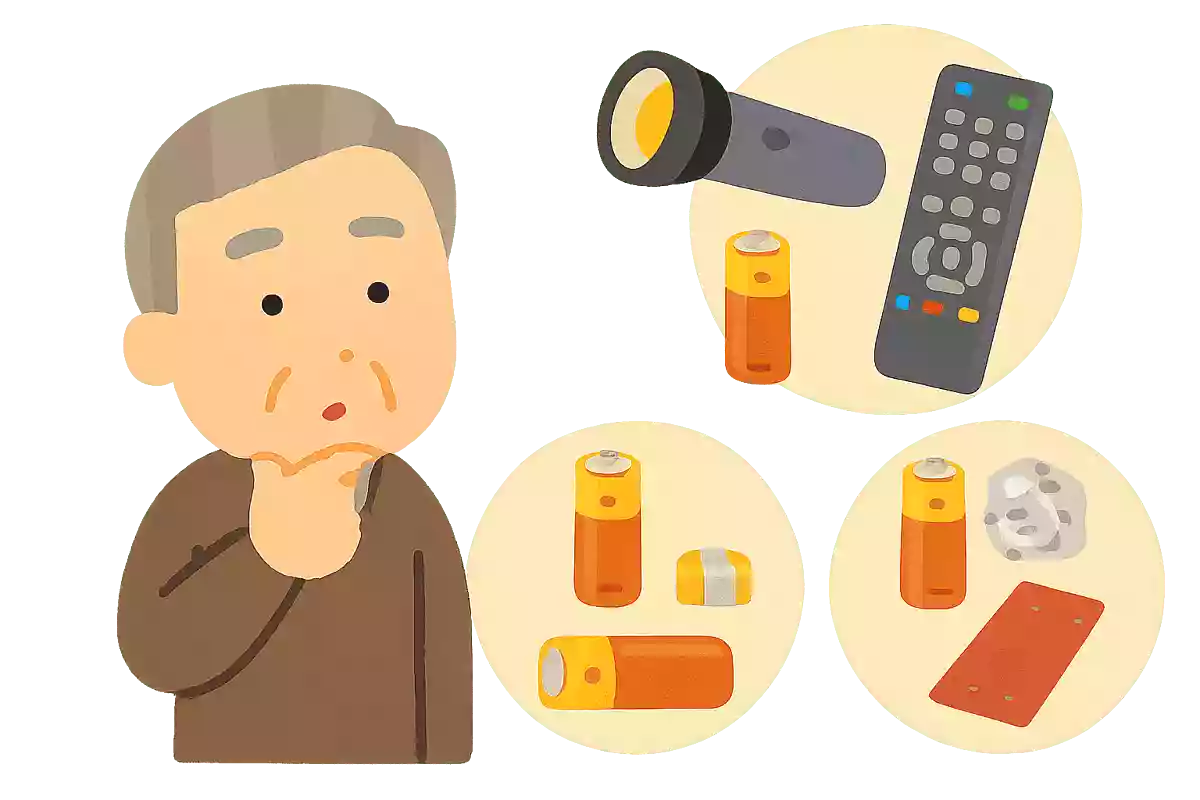
When a flashlight or remote control runs out of batteries, there’s a temporary workaround you can use as a quick fix. Which of the following is it?
- Wash the battery with water
- Warm the battery with your hands
- Cool the batteries in the refrigerator
See the answer
Warm the battery with your hands
When dry batteries are cold, their chemical reactions slow down and the voltage tends to drop. Warming them with your hands activates the internal chemical reactions, allowing you to temporarily draw out the small amount of remaining power. As a result, devices like flashlights or remote controls that had stopped working may function again for a short time. However, this is only a temporary first-aid measure, so for a permanent solution it’s best to replace the batteries with new ones.
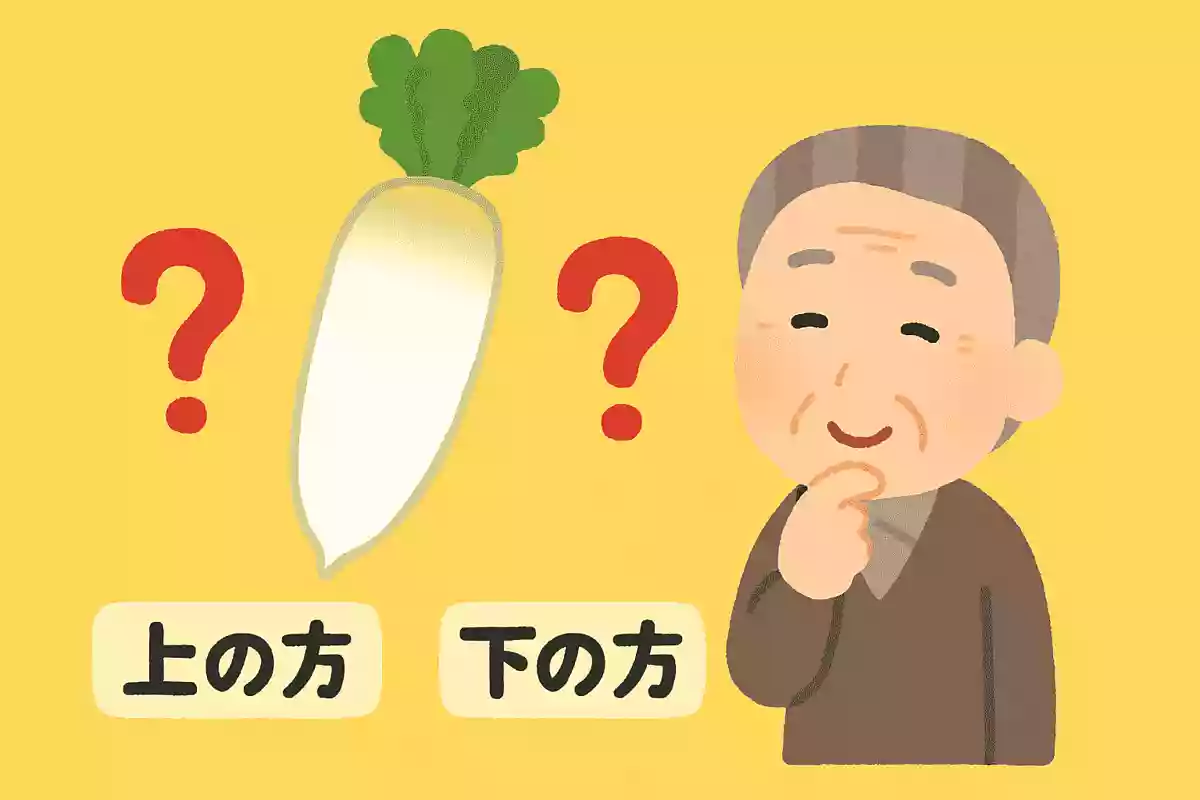
Which part of a daikon radish is spicier, the top or the bottom?
- up; above; on; over; top
- down
- Both are the same.
See the answer
down
It’s said that daikon radishes are sweeter at the top and spicier toward the bottom. The upper part is sweeter and juicier, making it ideal for salads and raw preparations. The lower part is spicier, more fibrous, and firmer, so it’s great for grated daikon or pickles like takuan. The middle section has a moderate tenderness and can be used in a wide range of dishes such as simmered or stir-fried recipes. Learn how to use each part of the daikon to make delicious dishes. By understanding the characteristics of each section, you can add an extra touch to elevate your cooking.

What is the disease that can be prevented by drinking miso soup every day?
- stomach ulcer
- diabetes
- arteriosclerosis
See the answer
stomach ulcer
Some people may insist on having miso soup every morning. Miso soup, long loved by Japanese people, is said to be effective in preventing a certain illness. The answer is “stomach ulcers.” Enzymes contained in miso are believed to aid digestion, which may reduce the burden on the stomach. While being mindful not to consume too much salt, it’s best to aim for a well-balanced diet.
Which has higher nutritional value: fresh shiitake mushrooms or dried shiitake mushrooms?

- fresh shiitake mushrooms
- dried shiitake mushrooms
- Neither is any different.
See the answer
dried shiitake mushrooms
Fresh shiitake mushrooms, which are cooked to bring out their texture and natural flavor, and dried shiitake mushrooms, which are wonderfully aromatic and well-suited to simmered dishes, each offer different kinds of deliciousness. But do you know which one is more nutritious? The answer is dried shiitake. In terms of vitamin D, they contain about 11 times more than fresh shiitake. It’s something you’ll want to include in your diet proactively.
All western lowland gorillas have the same blood type. Which type is it?

- Type A
- Type B
- Blood type O
See the answer
Type B
Including animal topics in conversations with older adults is highly recommended. Talking about animals and blood types can be a real hit. Did you know that all wild western lowland gorillas share the same blood type? It’s said that they are almost all type B. Males are reported to weigh between 140 kg and 180 kg, and females around 100 kg. Although they look like powerful animals, they are gentle and love vegetables and fruits. Depending on the location, you might be able to see them at a zoo.