

![[For Seniors] Enjoy Brain Training with English Trivia Quizzes and Fun Facts](https://media.ragnet.co.jp/img/1200__png__https://www.studiorag.com/files/2025/07/fb91fd02a6126c73d80cfde5c77e215c.webp)
[For Seniors] Enjoy Brain Training with English Trivia Quizzes and Fun Facts

Trivia quizzes and fun facts about English are perfect for brain exercises and conversation starters.
By choosing questions that are neither too hard nor too easy, you can enjoy lively chats while having fun.
Using your brain in moderation also benefits your mental and physical health.
English includes many familiar words, making it approachable even for seniors.
In this article, we’ll introduce plenty of questions everyone can enjoy together—ones that will make you smile and think, “I see!” Be sure to find your favorite questions and try hosting a quiz event.
[For Seniors] Enjoyable Brain Training with English Trivia Quizzes & Fun Facts (1–10)
What fruit is “Peach” in Japanese?
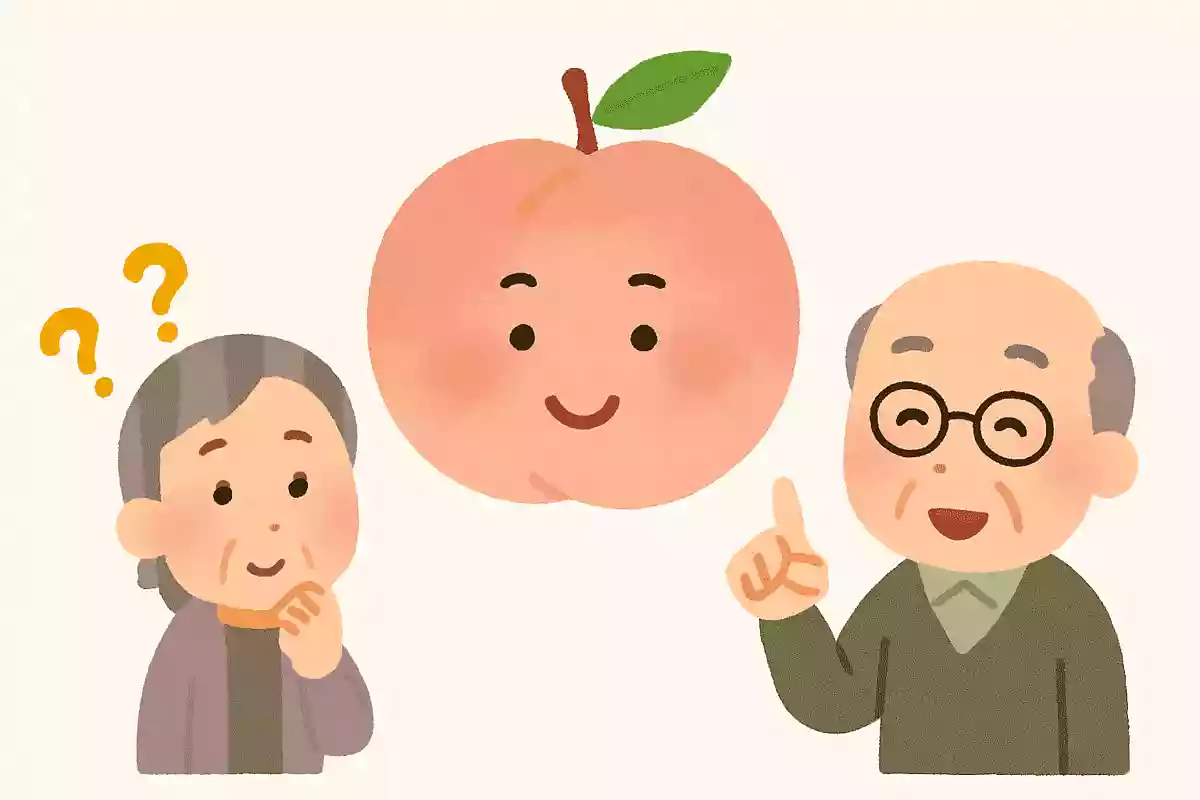
- Japanese plum
- peach
- cherry (sweet cherry; cherry fruit)
See the answer
peach
“Peach” (ピーチ) means momo (桃), or peach, in Japanese. Peaches are sweet, juicy fruits that are in season in summer and have long been loved in Japan. In English, “peach” is also used metaphorically—because of its soft, gentle image—to describe a person’s character or someone’s skin.
Which one would “Fire!” be in Japanese?

- Fire!
- You're on fire!
- Hot!
See the answer
“Fire!” in Japanese corresponds to “Kaji da!” which means “There’s a fire!” It’s a very important expression used to alert others in an emergency. In English-speaking countries, this word also carries a strong warning and is often shouted loudly. By the way, “fire” is a polysemous word: as a noun it means “fire,” and as a verb it can mean “to shoot” or “to dismiss (someone from a job).”
Which one would “Have a nice day.” be in Japanese?
- How are you?
- Have a nice day.
- See you again tomorrow.
See the answer
Have a nice day.
"Have a nice day." means "yoi ichinichi wo" (have a good day) in Japanese. In English-speaking countries, it is commonly used as a parting greeting and conveys consideration and kindness, wishing that the other person’s day will be a pleasant one.
Which of the following is the correct Japanese for “They are in the hospital.”?
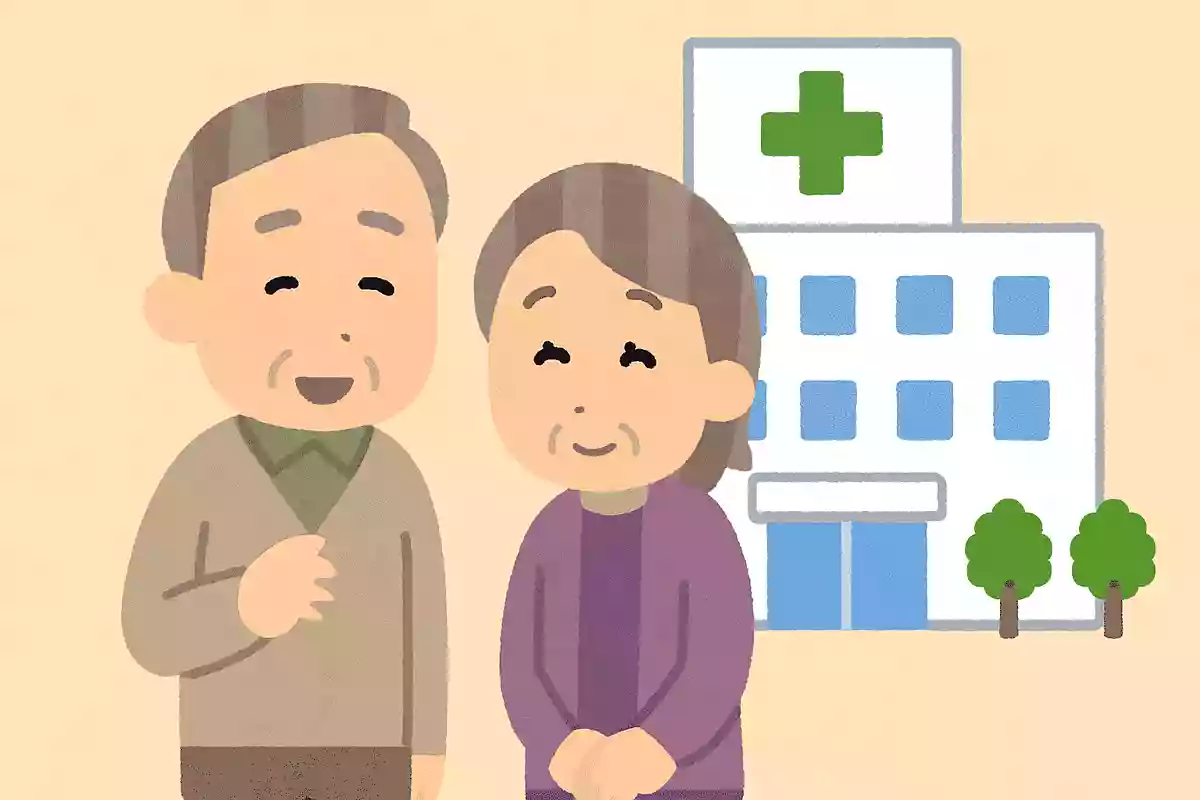
- They are in the hospital.
- They work at a hospital.
- They go to the hospital.
See the answer
They are in the hospital.
"They are in the hospital." means 「彼らは病院にいます。」 in Japanese. This sentence indicates that someone is currently inside a hospital and may possibly be hospitalized. Note that it differs in meaning from "働いています" (are working) or "行きます" (will go/are going).
What vegetable does “Ginger” refer to in Japanese?
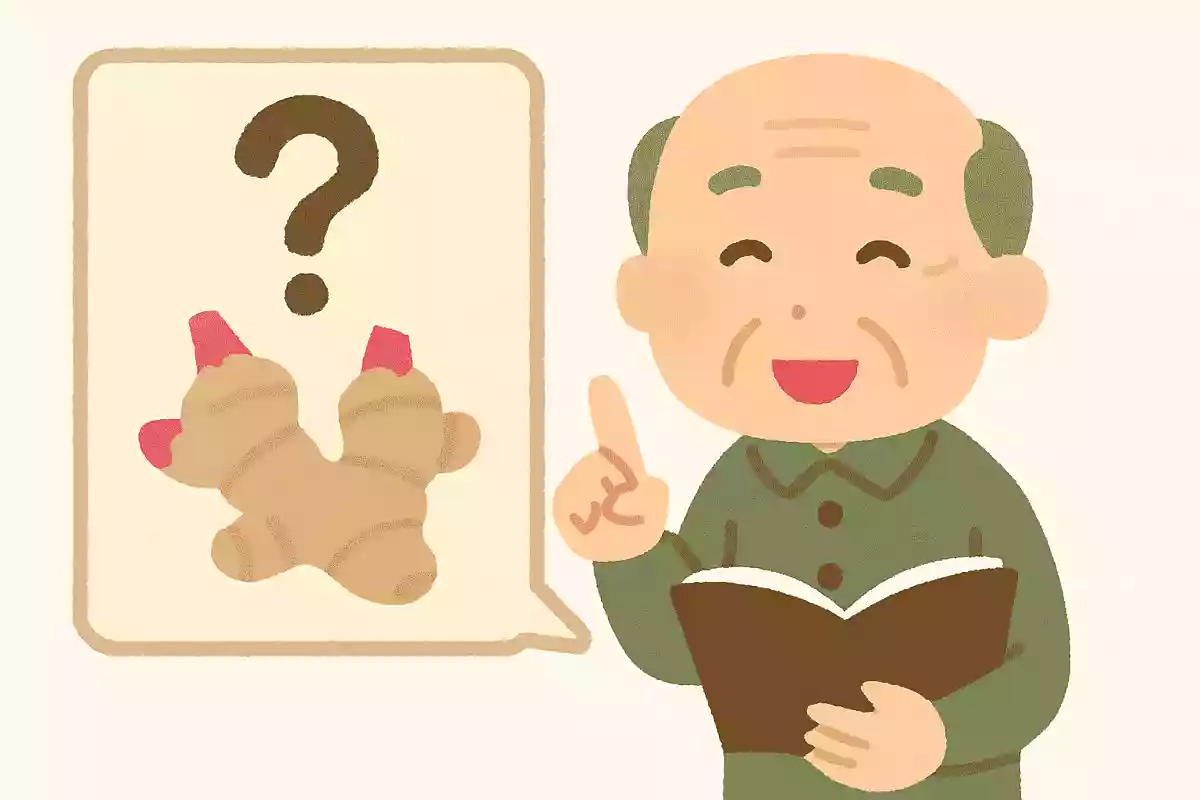
- green onion
- ginger
- garlic
See the answer
ginger
“Ginger” (jinjā) means shōga in Japanese. Shōga has a distinctive aroma and spiciness, and is widely used to add flavor to dishes and as a condiment. It is also believed to warm the body and has long been valued for preventing colds and combating chills. Uses like “ginger tea” and “ginger cookies” are familiar in English as well.
Which one would “It’s Sunday” be in Japanese?
- Today is Sunday.
- Tomorrow is Sunday.
- I like Sundays.
See the answer
Today is Sunday.
"It's Sunday" means "今日は日曜日です。" in Japanese. "It is ~" is a basic expression meaning "~です" and is often used when talking about days of the week or the weather. "明日は日曜日です。" would be expressed differently, such as "It's Sunday tomorrow."
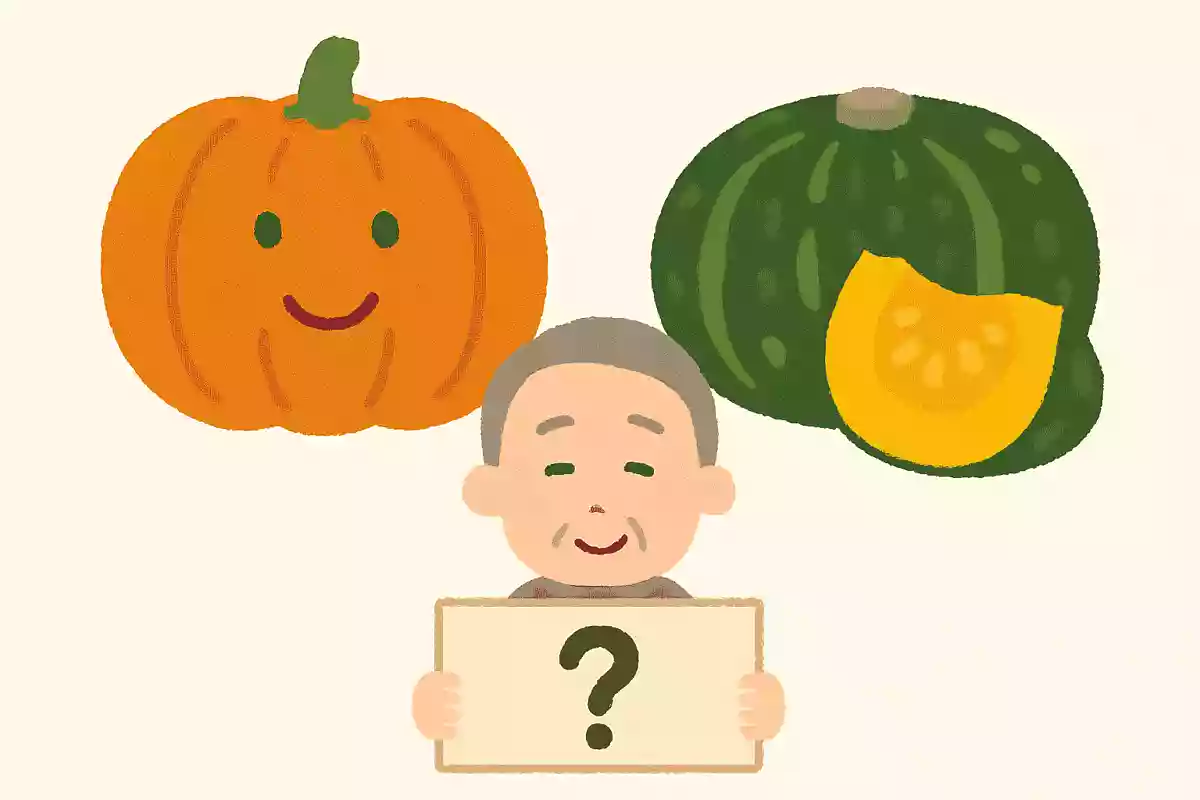
What vegetable does “Pumpkin” refer to in Japanese?
- carrot
- pumpkin
- tomato
See the answer
pumpkin
“Pumpkin” refers to kabocha (winter squash) in English. The word “pumpkin” is often used especially for the large orange pumpkins associated with Halloween. The green kabocha commonly eaten in Japan may be called “squash,” but it is also widely treated as “pumpkin.”