

![[For Seniors] How Many Can You Answer? Fun Sushi Trivia Quiz & Tidbits](https://media.ragnet.co.jp/img/1200__png__https://www.ragnet.co.jp/files/2025/07/57b447cba5b5d00d16ed5c0bb7185851.webp)
[For Seniors] How Many Can You Answer? Fun Sushi Trivia Quiz & Tidbits

Would you like to try a fun trivia quiz about sushi? From the origin of gunkan-maki to sushi restaurant slang, it’s full of surprising tidbits.
It can also be fun to think it through together with older adults and reminisce about memories of sushi from the old days.
You might find yourself saying “I see!” when you learn the unexpected origins of everyday words like gyoku and murasaki.
Let’s all enjoy learning about the deep world of sushi in a friendly, lively atmosphere.
[For Seniors] How Many Can You Solve? Fun Sushi Trivia Quiz & Tidbits (1–10)
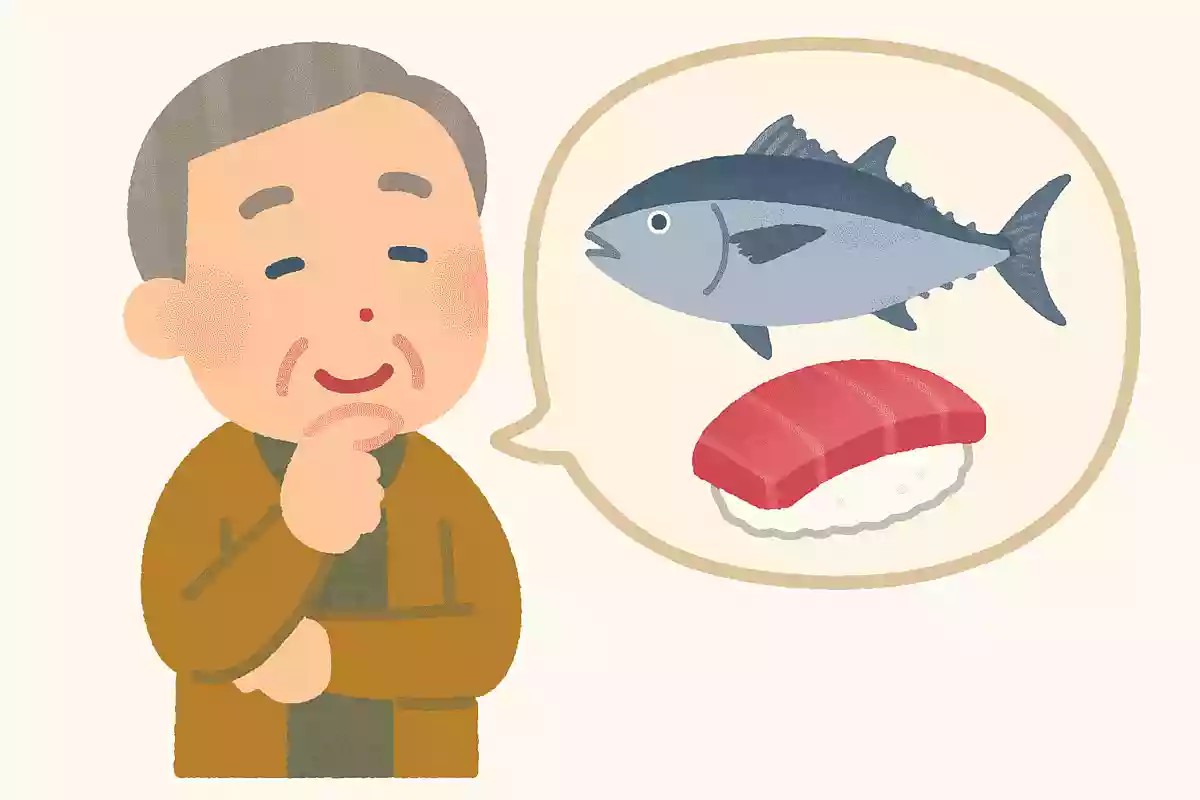
In sushi, the part called ‘toro’ refers to the fatty belly portion of the fish.
- the back part
- the tail fin part
- the stomach area
See the answer
the stomach area
“Toro” refers primarily to the belly portion of fish such as tuna, especially the parts rich in fat. The belly area is high in fat and is characterized by a soft, melt-in-your-mouth texture. Because it contains more fat than the back or tail sections, it is considered a premium topping for sushi.

At a sushi restaurant, what is referred to as “gyoku”?
- tuna
- How much
- Japanese omelet
See the answer
Japanese omelet
At sushi restaurants, “gyoku” refers to tamagoyaki (Japanese rolled omelet). The term is said to come from using the kanji for “tama” (玉, meaning “jade/gem”) and pronouncing it with the Sino-Japanese reading “gyoku.” The sweet, fluffy omelet crafted by skilled chefs is considered a showcase of a sushi restaurant’s mastery.
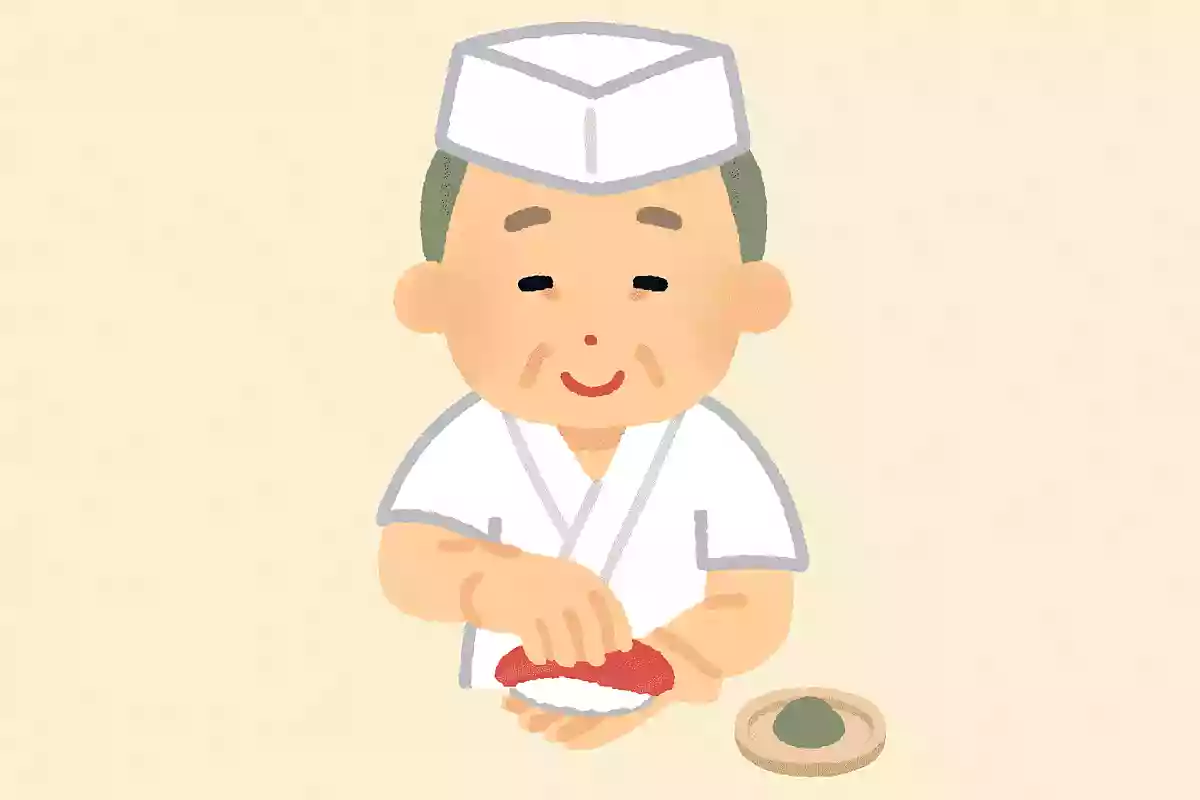
What is used to make the topping stick to the rice when making sushi?
- vinegar
- sugar
- wasabi
See the answer
wasabi
When making sushi, a small amount of wasabi is spread between the topping and the rice, which also acts like an adhesive. It adds flavor while helping to keep the topping and the rice from coming apart.
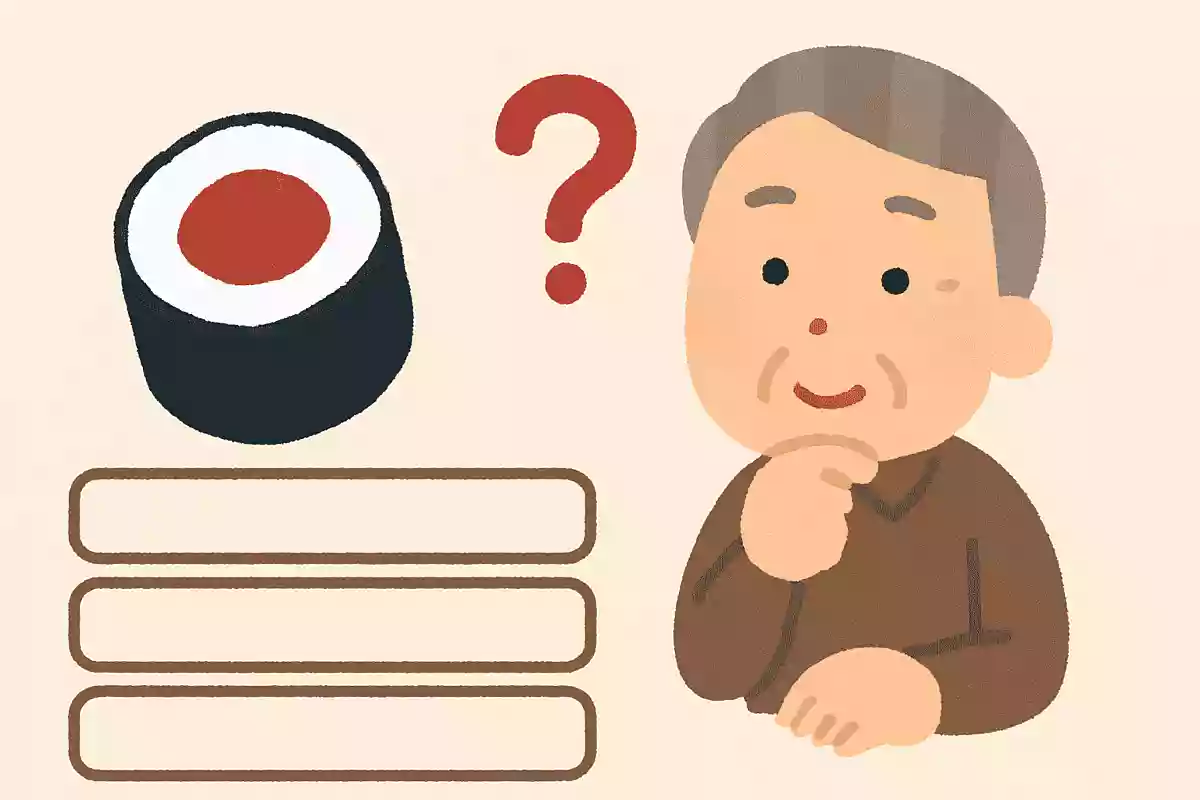
Which of the following is the correct origin of the name “tekka-maki” (tuna roll)?
- Because the tuna inside is red, like fire.
- Because I grilled the sushi and ate it.
- Because it was popular at the gambling den
See the answer
Because it was popular at the gambling den
The “tekka” in tekkamaki was originally named after gambling dens, known as tekkaba. It’s said the name came about because rolls made with lean tuna—easy to eat while gambling—were popular there.
What is the common way to count pieces of sushi—one, two, and so on?
- piece
- volume
- pierce; penetrate; stick through; consistency; string (of coins); kan (old unit of weight)
See the answer
pierce; penetrate; stick through; consistency; string (of coins); kan (old unit of weight)
Sushi is usually counted as “ikkon, nikon” (one piece, two pieces). The term kon originates from kan, a unit of currency and weight in the Edo period, and it’s commonly used when counting nigiri sushi. By the way, for maki rolls and pressed sushi, you count them as “one roll” (ippon) before cutting and as “one piece” (ikko) after cutting.
What do they call wasabi at a sushi restaurant?
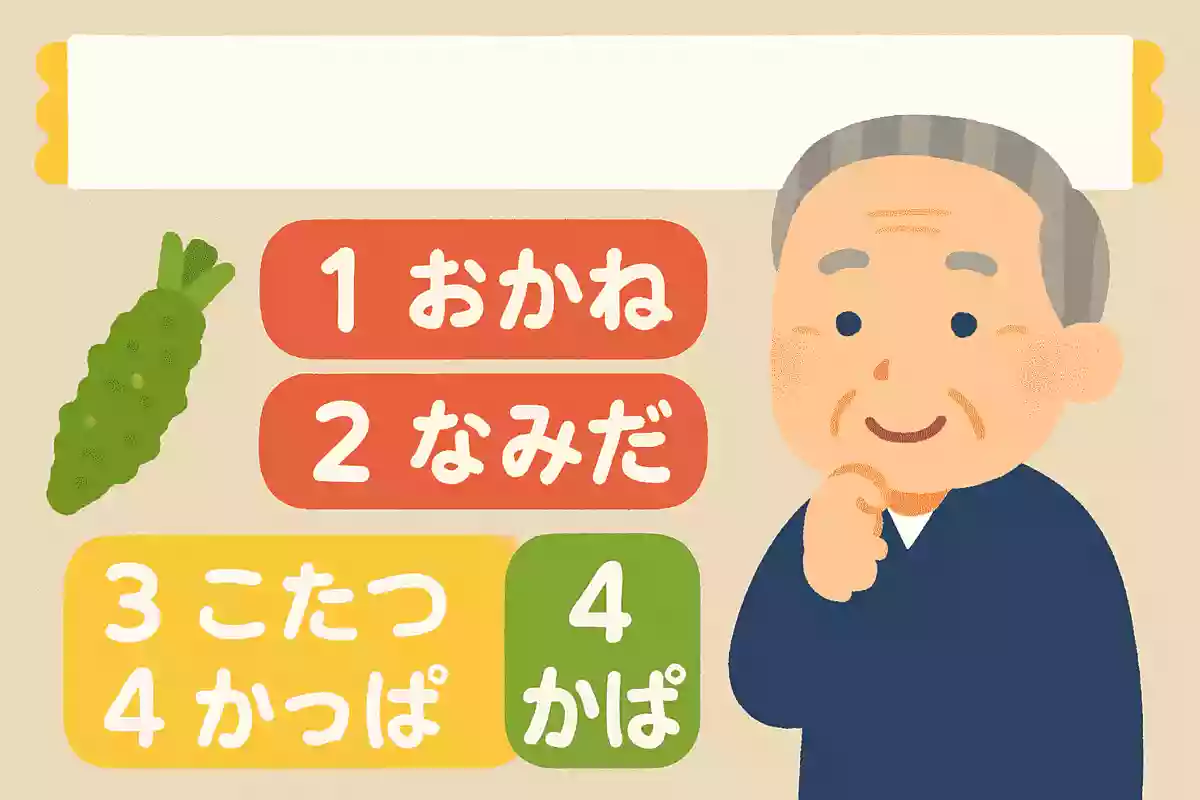
- tears
- grated (e.g., grated radish); wholesale (context-dependent)
- green
See the answer
tears
At sushi restaurants, wasabi is called “namida,” which means “tears.” It’s said to come from the fact that the sharp spiciness of wasabi can bring tears to your eyes. This term has been used since the Taisho era, and in the Edo period, it’s said that “namida” referred to the mustard that was served with bonito (katsuo).
At a sushi restaurant, what does “murasaki” refer to?
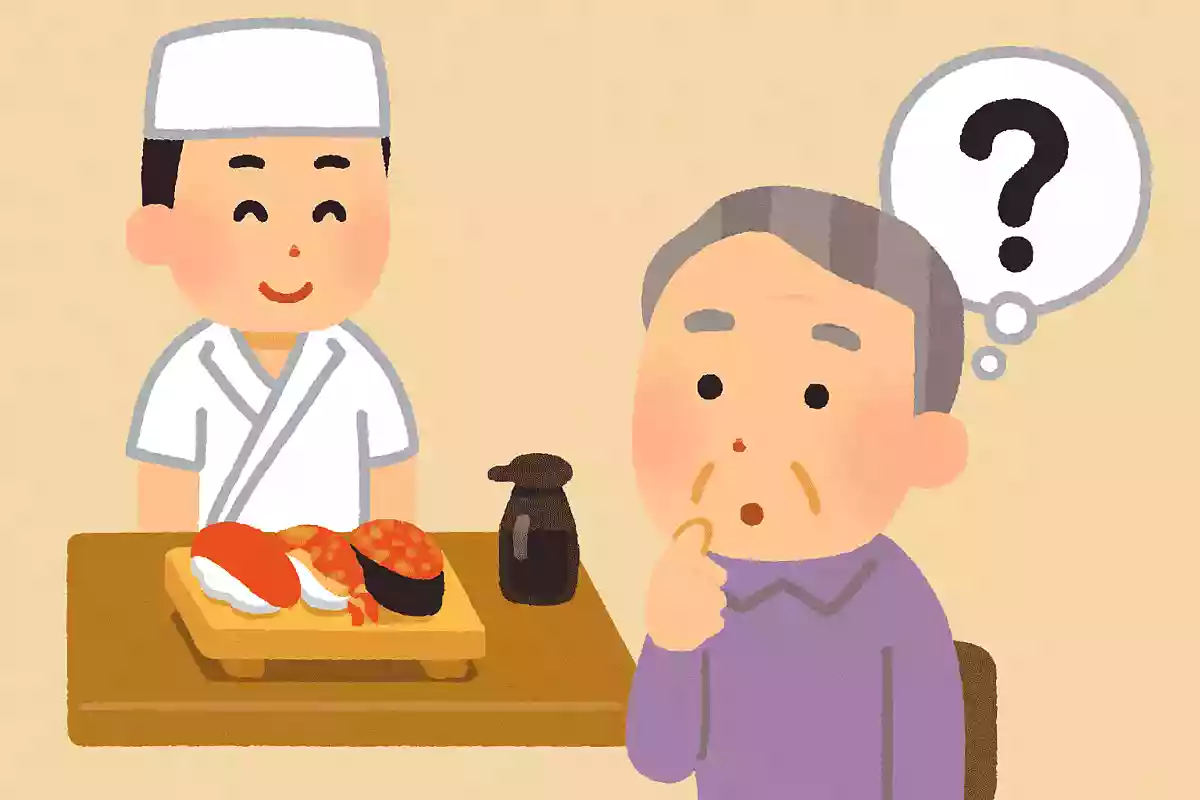
- pickled ginger
- wasabi
- soy sauce
See the answer
soy sauce
“Murasaki” is sushi shop jargon that refers to soy sauce. Soy sauce used to have a more reddish color than it does today, and it’s said that people began calling soy sauce “murasaki” around the Meiji era.