

[For Seniors] Challenge Your Brain with Super-Hard Quizzes! A Collection of Tough Questions That Feels Great Once You Know the Answer

Here’s a set of super-difficult quizzes perfect for stimulating your brain.
This time, we’ve gathered a variety of challenging quizzes that seniors can enjoy.
Packed with trivia that everyone thinks they know but actually don’t! From the secret of a camel’s eyelids to Japanese traditions, food culture, and handy everyday tips, surprising puzzles await you.
How many can you answer? Try them out for fun conversation with friends and family, or enjoy them during leisure time at a facility—challenge yourself and have fun!
- [For Seniors] Try this ultra-difficult trick quiz! How many questions can you solve?
- [For Seniors] Fun and Informative Trivia Quiz Collection
- For Seniors: Useful Trivia Questions! Introducing Fun Facts Quizzes You'll Want to Share
- [For Seniors] Recommended for Brain Training! Ultra-Difficult Quizzes and Riddles
- [For Seniors] Super Amazing Trivia Quiz! Introducing Practical Tips for Everyday Life
- [For Seniors] Fun and Informative! Trivia and Quizzes Introduced
- [For Seniors] Trivia Quiz & Fun Facts for Everyday Life
- [For Seniors] Boost Your Knowledge! Fun Trivia Quiz
- [For Seniors] Fun and Informative! Health Trivia Quiz
- [For Seniors] Tricky quiz with annoying answers: a collection of questions guaranteed to get everyone excited once they hear the answers
- [For Seniors] Perfect Brain Training! Fun Trivia
- [For Seniors] Think and Have Fun: Introducing Brain-Stimulating Logic Puzzles
- [For Seniors] Lively True-or-False Quiz: Fun Questions You Think You Know but Don’t
[For Seniors] Challenge Your Brain with Super-Hard Quizzes! A Collection of Tough Questions That Feel Great Once You Know the Answers (1–10)
Originally, the terms describing doneness like “rare” and “well-done” were used for what dish?
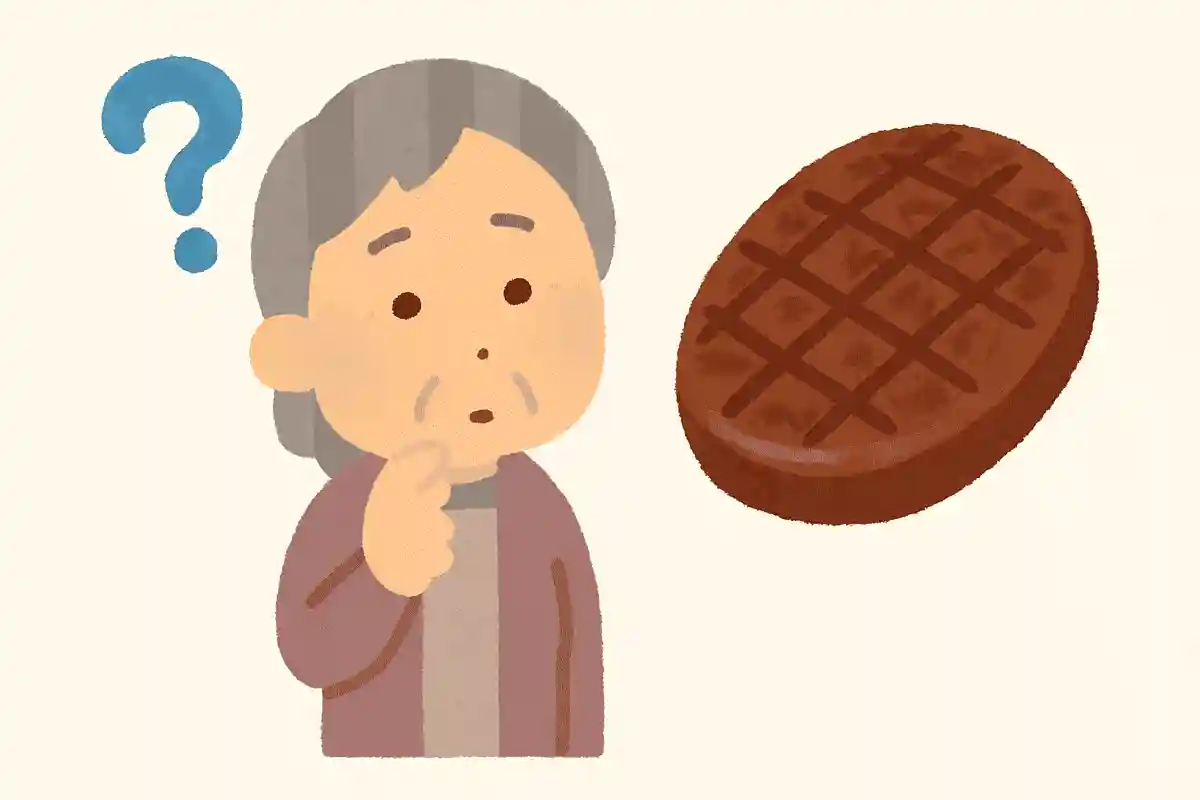
- ham
- omelet
- boiled egg
See the answer
boiled egg
Terms like “rare” and “well-done” are now used mainly for the doneness of meats such as steak, but they originally came from French and were used to describe how boiled eggs (egg dishes) were cooked. “Rare” referred to soft-boiled, while “well-done” meant hard-boiled. Over time, the usage spread to meat dishes, and today these terms are chiefly associated with doneness in cooking meat, though many people may be surprised to learn their origins.

Why are snails often found on top of block walls?

- Because there are many food plants.
- Because it makes it easier to protect themselves from predators.
- Because I'm eating the concrete block wall.
See the answer
Because I'm eating the concrete block wall.
A snail’s shell is made mainly of calcium, and they need a lot of it for growth and protection. Concrete and stone block walls often contain calcium on their surfaces, which snails consume and absorb to reinforce and repair their shells. That’s why they often gather on block walls. Although predator avoidance and food availability also play roles, calcium intake is considered the main reason.
How many layers of eyelids do camels have?

- single
- double
- triple
See the answer
triple
Camels have triple-layered eyelids. In addition to the usual upper and lower eyelids, they possess a third eyelid (the nictitating membrane) that moves horizontally. This membrane is semi-transparent and protects the eyes while maintaining vision even during sandstorms. As a result, camels can live in harsh environments like deserts without injuring their eyes. This triple eyelid is a unique feature of camels that is not seen in many other animals.
[For Seniors] Challenge Your Brain with Ultra-Difficult Quizzes! A Collection of Tough Problems That Feels Great Once You Figure Out the Answers (11–20)
Which profession created the first haunted house, which was first made in 1830?
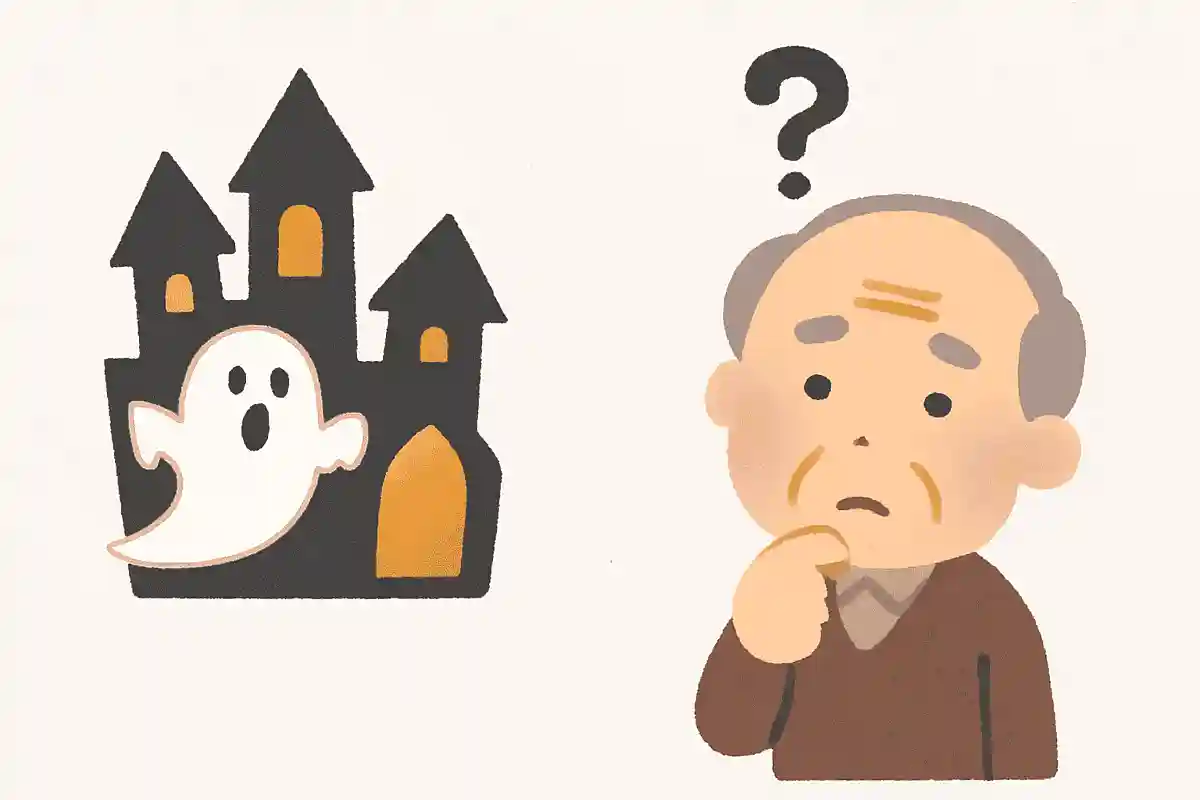
- merchant
- doctor
- carpenter
See the answer
doctor
The “Monster Teahouse” that appeared in Omori, Tokyo, in 1830 is said to have been founded by a physician named Hyōsen. He excelled not only in medicine but also in devising entertainment and eccentric projects. At the time, haunted houses were not yet a common form of amusement, but Dr. Hyōsen created one through various ingenious ideas to surprise and delight people. This concept became the root of today’s haunted houses, and he is remembered in history as someone who combined medical knowledge with a playful spirit.
Unlike other appliances, the outlet behind a refrigerator is installed slightly higher on the wall. Which of the following is the most appropriate reason for this?
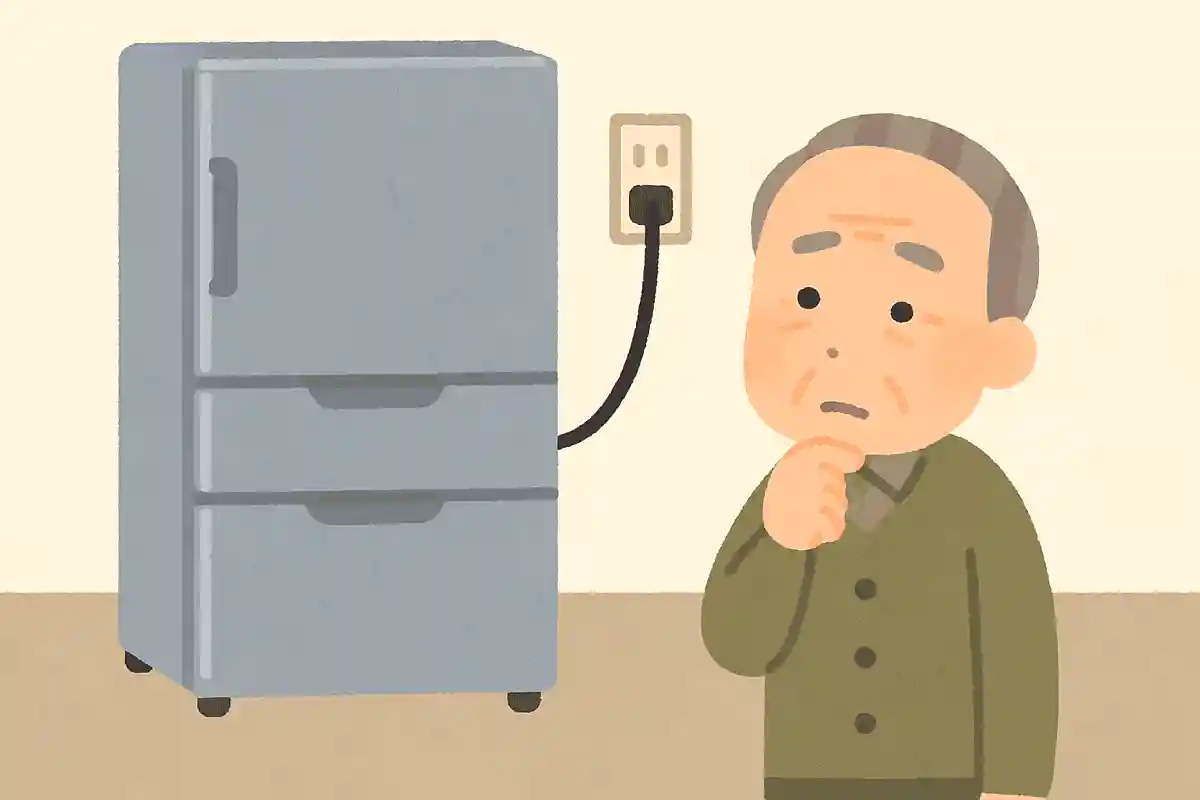
- To make cleaning easier
- To reduce electricity costs
- For fire prevention
See the answer
For fire prevention
The main reason the outlet behind a refrigerator is installed higher is to prevent fires. Refrigerators can release moisture from their internal motors, and dust tends to accumulate on the back over long periods of use. If the outlet is located low, moisture and dust can build up more easily, increasing the risk of short circuits or ignition. Installing the outlet higher reduces these risks and improves safety.
How fast does the conveyor belt at a conveyor sushi restaurant move?

- 5 Centimeters per Second
- 5 centimeters per second
- 5 Centimeters per Second
See the answer
5 centimeters per second
The speed of conveyor belts at sushi restaurants is finely tuned so that customers can take plates safely and comfortably. At many locations, the standard is about 4 centimeters per second. That’s roughly just under one plate’s length per second—while it may look slow, it strikes the optimal balance that keeps both dishes and guests moving smoothly even during busy times. If it were any faster, people—including seniors—might miss plates or feel motion-sick, so careful consideration goes into setting the speed.
How did samurai in the Edo period sleep—what posture did they use—in case they were attacked by enemies in the middle of the night?
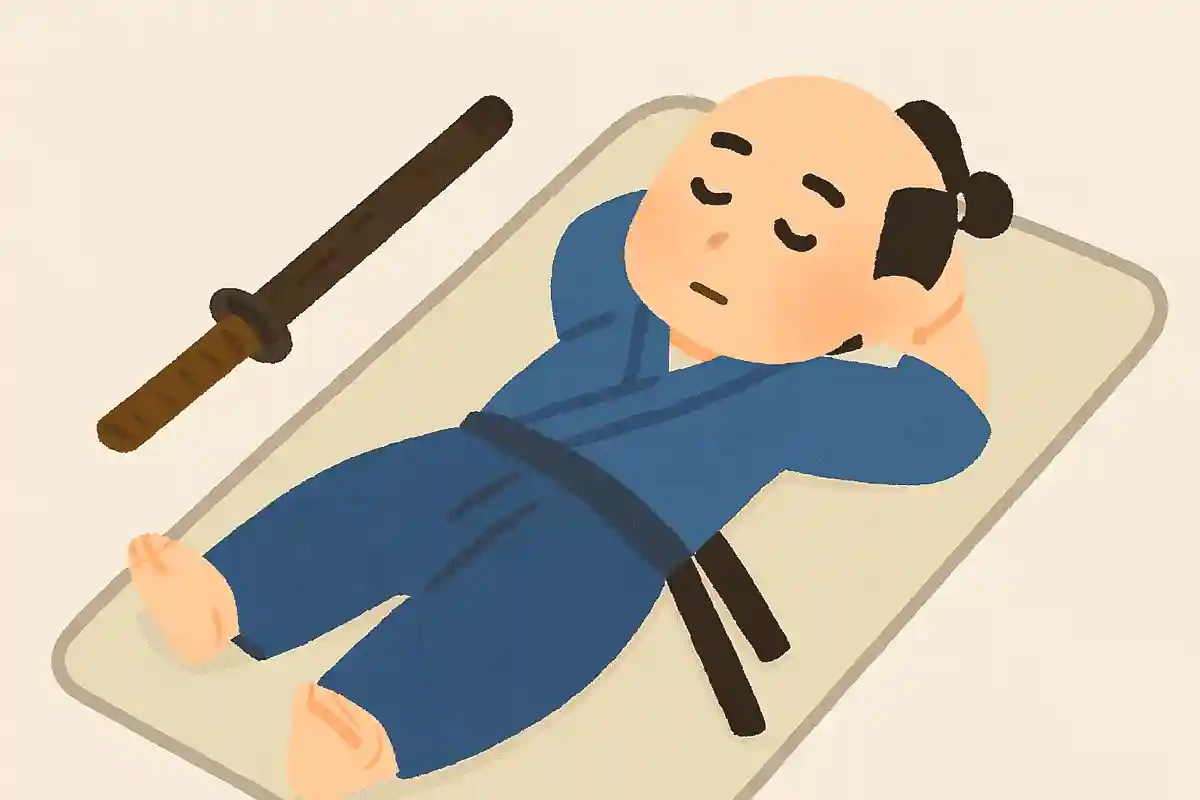
- I was lying on my back, sleeping with both hands placed near the pillow.
- I was sleeping face down, hugging a sword.
- I was sleeping on my dominant-hand side.
See the answer
I was sleeping on my dominant-hand side.
During the Edo period, samurai slept with their dominant hand underneath them to protect it in case they were attacked at night. Even if ambushed and cut while sleeping, they could still fight as long as their dominant hand remained unharmed. This practice symbolizes the ever-present sense of danger in daily life and the samurai’s mindset, showing that they were expected to remain constantly vigilant.