

![[For Seniors] Trivia Quiz & Fun Facts on Blood Types: A quiz packed with what you want to know, like which illnesses you’re more prone to.](https://media.ragnet.co.jp/img/1200__png__https://www.studiorag.com/files/2026/03/b1e2b39bce48cc0ed6fa687c9e3df99f.webp)

We’ve put together a collection of trivia quizzes and fun facts about blood types.
From questions like “Which blood type gets bitten by mosquitoes more easily?” to “What’s the most common blood type in the world?”, it’s packed with tidbits that will make you go “Wow!” You can enjoyably learn, in quiz format, about the little-known traits of each blood type and the diseases they’re more prone to—an everyday topic with surprising depth.
How many can you answer? It’s also perfect as a recreational activity for seniors, so gather everyone and give it a try together!
- [For Seniors] Surprising Facts! Multiple-Choice Trivia Quiz (4 Options)
- [For Seniors] Trivia Quiz & Fun Facts for Everyday Life
- [For Seniors] Sports Trivia Quiz & Fun Facts. Easy and Entertaining
- [For Seniors] Lively two-choice trivia quiz. Handy to know and tidbits you'll want to share with others
- How much do you know? Trivia quiz for seniors that’s full of surprisingly unknown facts
- [For Seniors] Fun 3-Choice Animal Quiz! Introducing Questions Full of Surprises and Discoveries
- [For Seniors] Fun and Informative! Health Trivia Quiz
- [For Seniors] Trivia Quiz & Fun Facts for June
- [For Seniors] Today’s recommended quiz. Daily brain-training quiz!
- [For Seniors] Fun and Informative Trivia Quiz Collection
- [For Seniors] Boost Your Knowledge! Fun Trivia Quiz
- [For Seniors] Lively True-or-False Quiz: Fun Questions You Think You Know but Don’t
- [For Seniors] Fun and Informative! Trivia and Quizzes Introduced
[For Seniors] Trivia Quiz & Fun Facts about Blood Types: A quiz packed with things you want to know, like diseases you may be more prone to (1–10)
When blood types were first discovered in 1900, there was no “Type O.” What was Type O originally called?
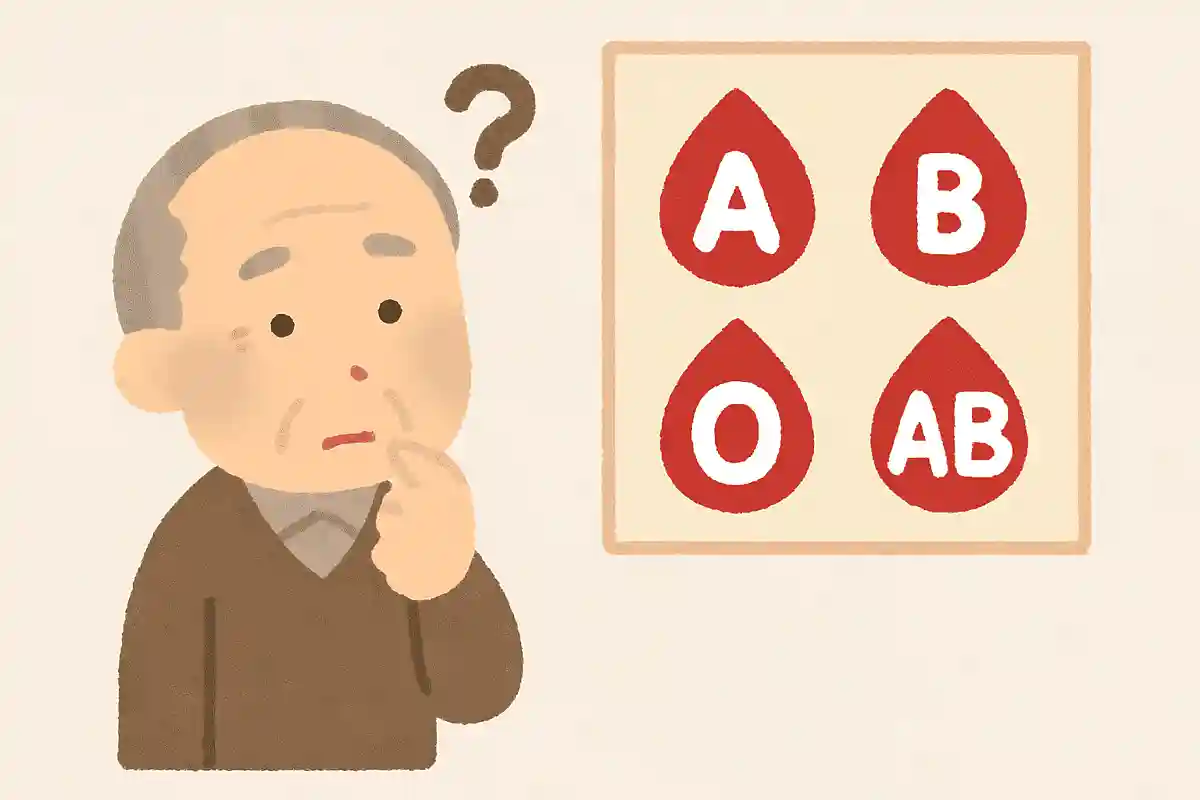
- Type C
- Type P
- Z-type
See the answer
Type C
The correct answer is “type C.” When Austrian physician Dr. Karl Landsteiner discovered blood types in 1900, they were initially classified into three groups: type A, type B, and “type C.” This type C was named for the group that possessed neither A nor B antigens. Later, it is said to have been changed to type O, either from the initial letter of the German word “Ohne,” meaning “without,” or due to the numeral “zero,” indicating no antigens, being confused with the letter “O” and becoming established.

What blood type of child cannot be born from parents with types O and A?
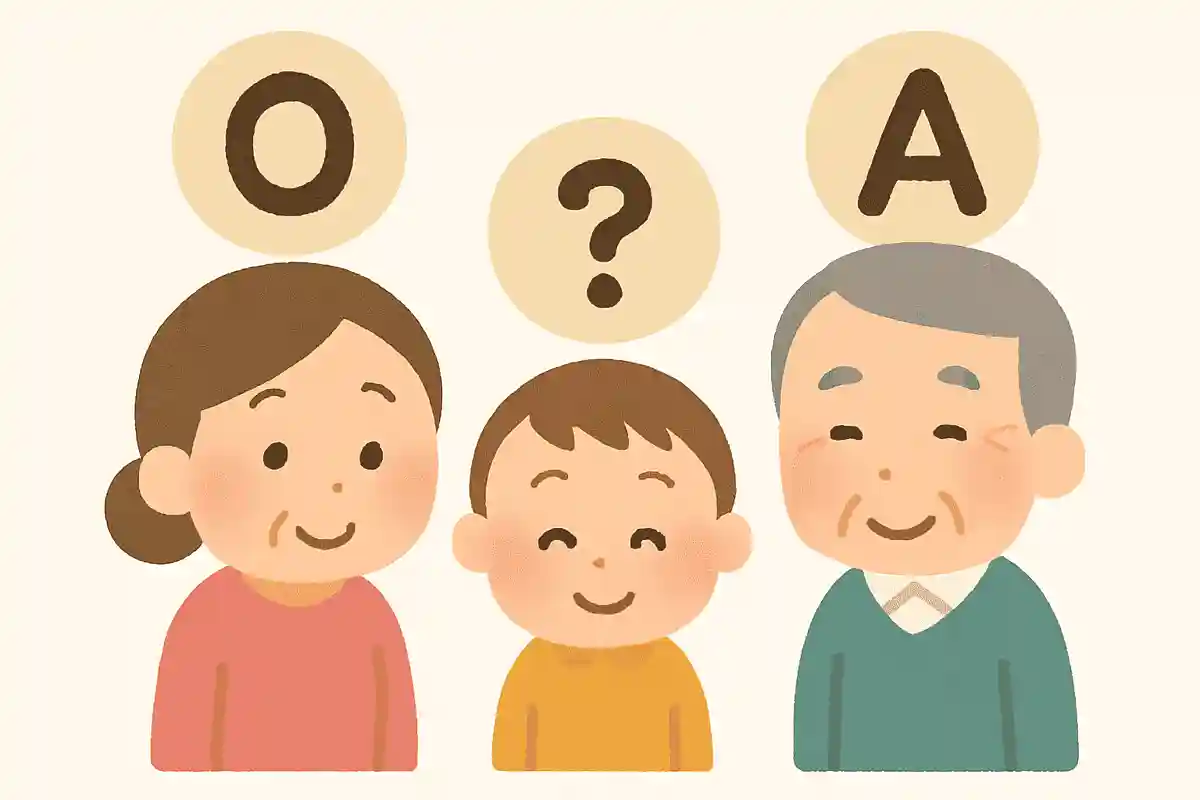
- Type A
- Type B
- Blood type O
See the answer
Type B
A person’s blood type is determined by the combination of genes inherited from each parent. A parent with type O always has the genotype “OO,” while a parent with type A can have either “AA” or “AO.” From this parental combination, children can be type A or type O. Because neither parent carries the “B” gene required for type B, a type B child cannot be born.
What is the only blood type that can receive transfusions from all blood types?
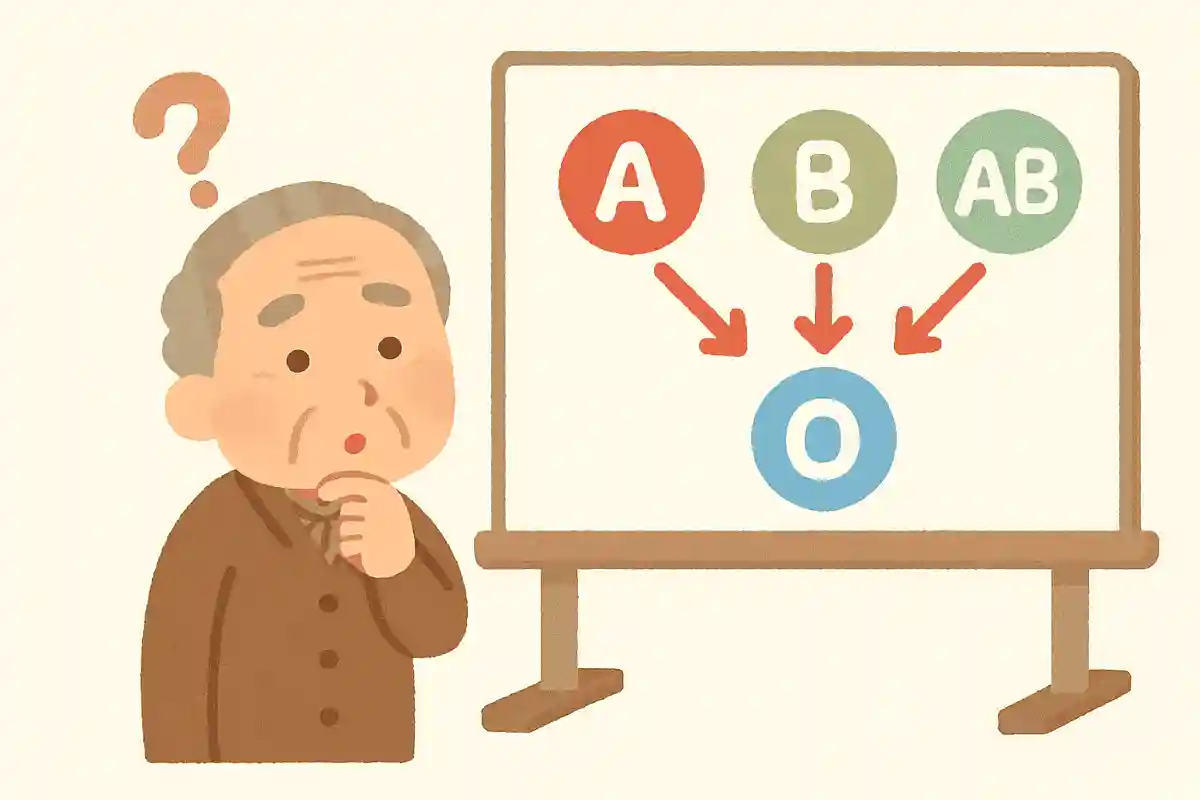
- Type A
- Blood type O
- Type AB
See the answer
Type AB
The correct answer is AB. People with type AB do not have antibodies against other blood types, so they are called “universal recipients” who can receive blood from all types in emergencies. Conversely, type O is known as the “universal donor,” as it can be transfused to other blood types. However, these are emergency measures only, and in modern medical settings, transfusions are, in principle, performed between the same blood types for safety. The blood type system is profound—one of the vital pieces of knowledge that helps save lives.
Which blood type has the lowest risk of developing heart disease?
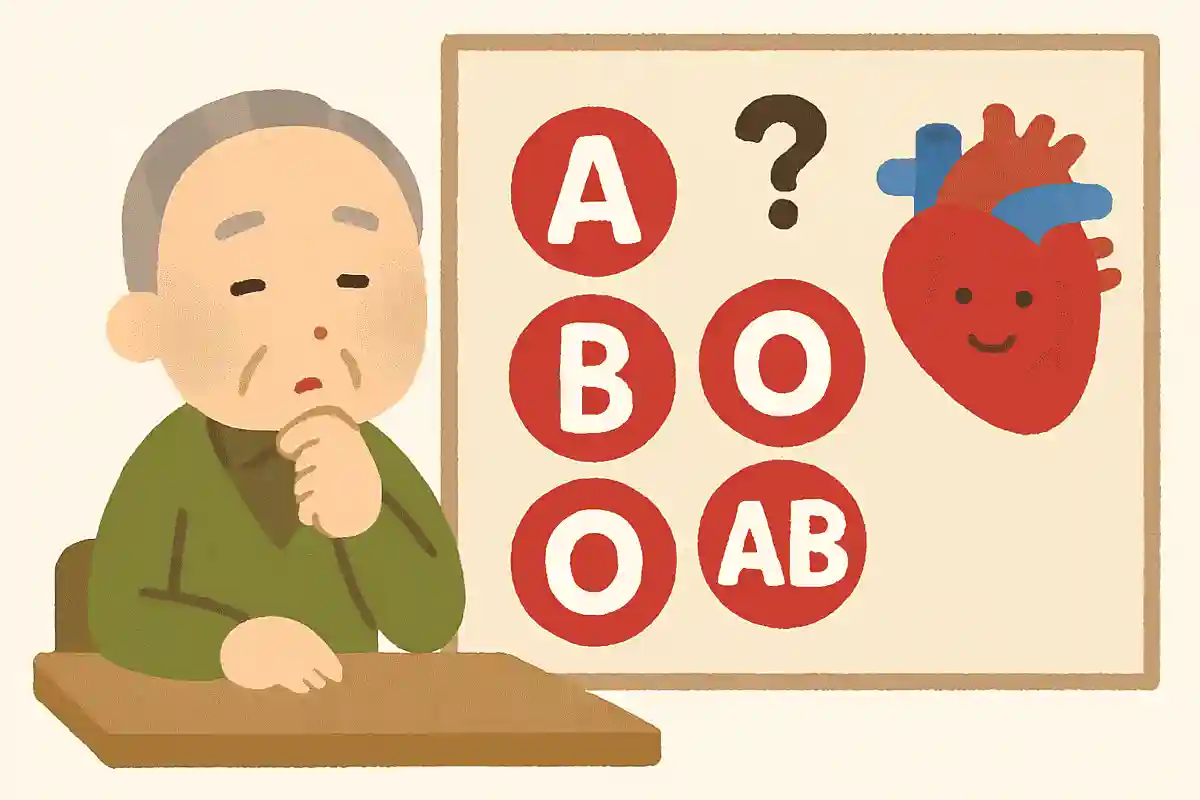
- Type A
- Blood type O
- Type AB
See the answer
Blood type O
According to some overseas research data, people with blood type O are reported to be less likely to develop blood clots and tend to have a lower risk of heart disease compared to people with other blood types. This is thought to be related to the fact that individuals with type O generally have relatively lower levels of factors that promote blood clotting. Of course, health outcomes aren’t determined by blood type alone, but understanding your body’s tendencies can provide valuable clues for daily health management and disease prevention.
Which blood type has the highest number of depression patients in Japan?
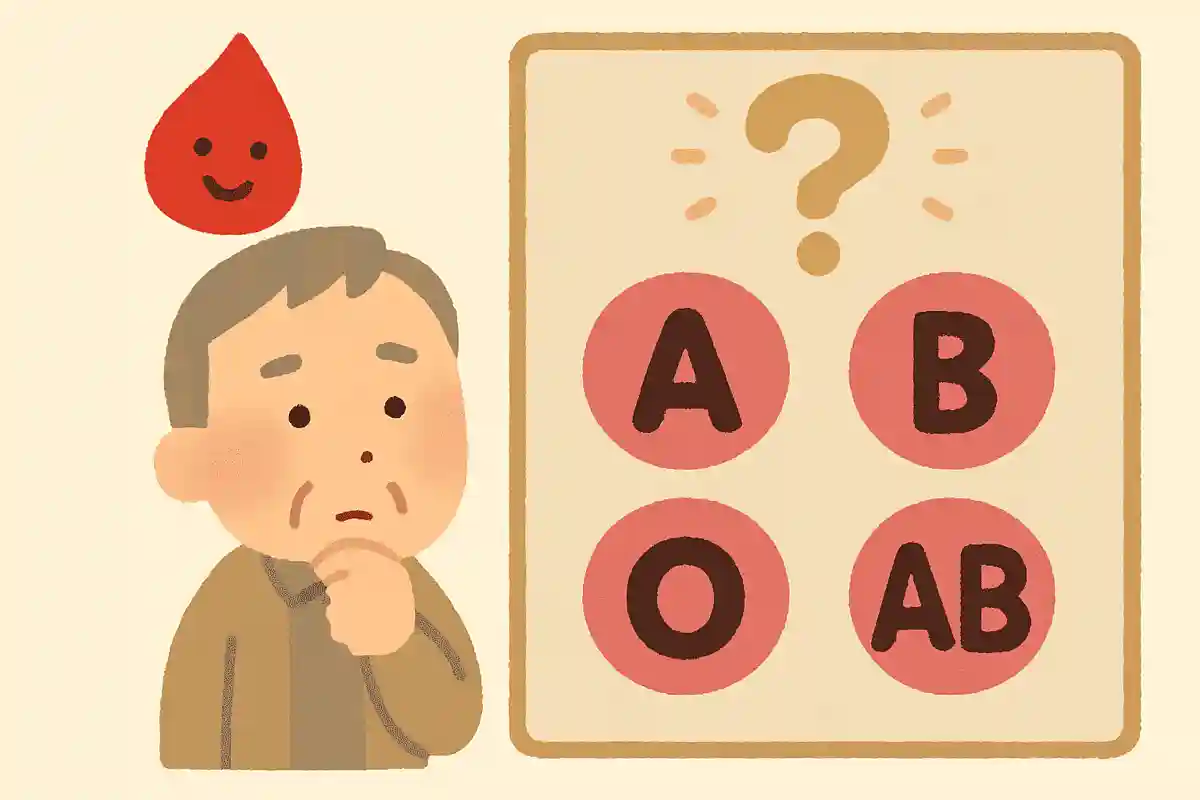
- Type A
- Type B
- Type O
See the answer
Type A
In general, people with blood type A are often said to be serious, meticulous, and highly responsible. Because of this, they tend to accumulate stress and are more prone to physical and mental discomfort. It’s also thought to be related to the fact that type A is the most common blood type among the Japanese population. It’s important to occasionally loosen up and relax.
It’s said that plants also have blood types, but what type is the maple that turns red in autumn?
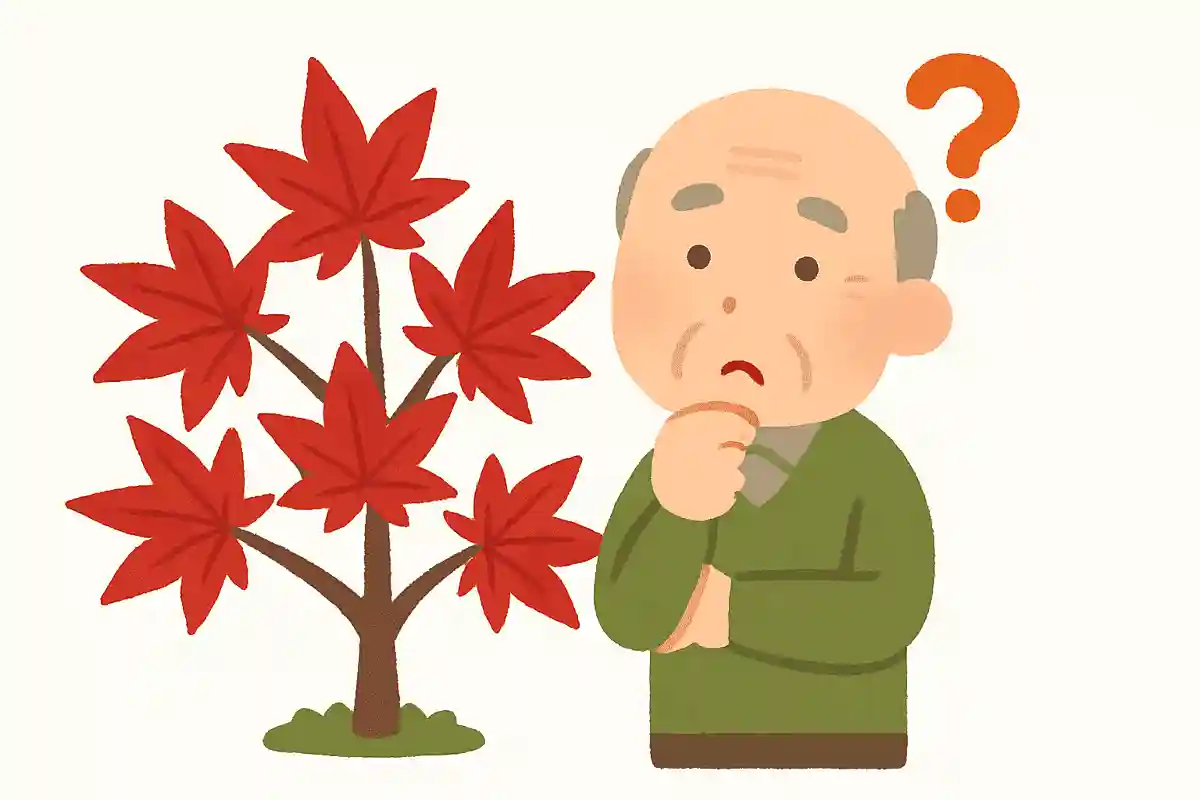
- Type A
- Type B
- Blood type O
See the answer
Blood type O
Maple trees, like humans, also have blood types. And it’s said that their fall colors change depending on those blood types. Maples that turn red are type O, and those that turn yellow are type AB.
Which blood type has a higher risk of developing a gastric ulcer?
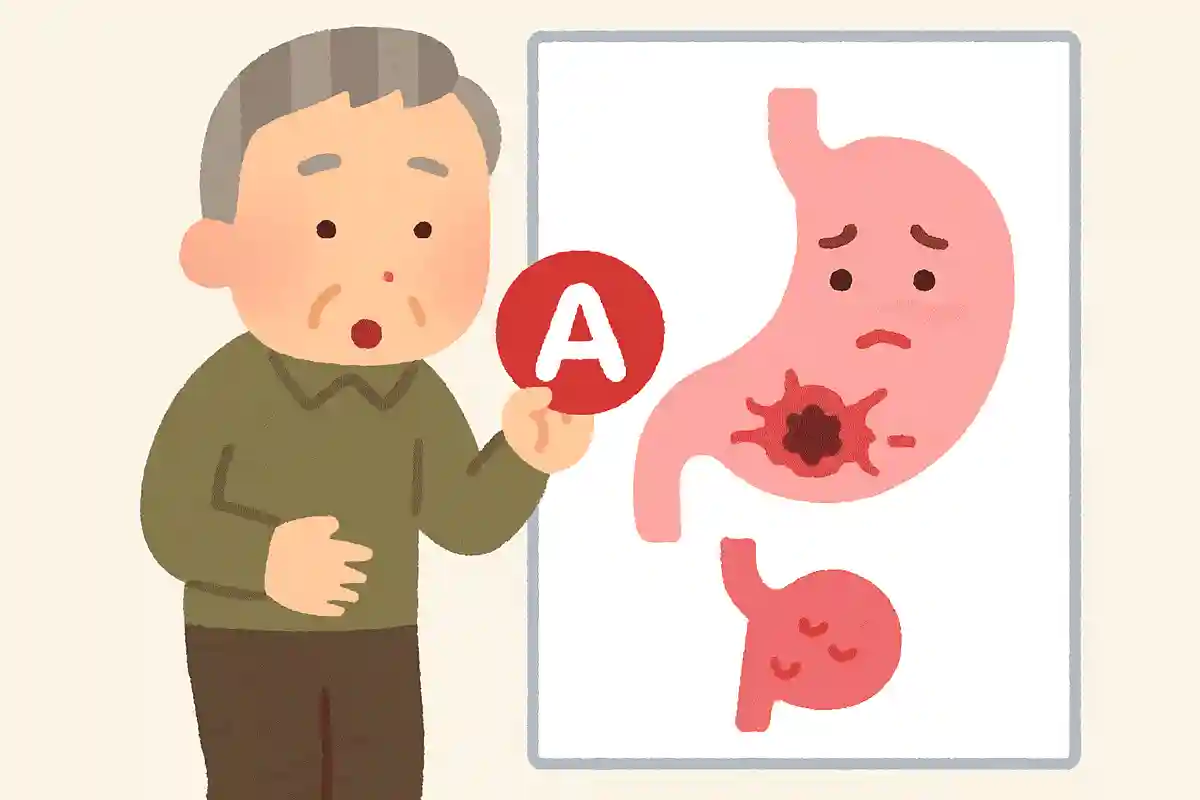
- Type A
- Type B
- Blood type O
See the answer
Blood type O
The correct answer is type O. In fact, people with type O blood are said to be more prone to stomach and duodenal ulcers compared to other blood types. The main reason is that Helicobacter pylori, the bacterium that causes stomach ulcers, tends to adhere more easily to the mucosal cells of people with type O blood. It seems to be related to the immune system and other factors, which is a bit surprising, isn’t it? Of course, it doesn’t mean you’ll definitely get ulcers, but it might be wise to pay extra attention to your stomach health.