

[A Must-See for History Lovers! The Feudal Power Struggle Quiz] For Seniors

This quiz is recommended for seniors who enjoy history and samurai warlords.
We’re bringing you an exciting “Territorial Conquest Quiz.”
It features many famous battles and tactics from the Azuchi–Momoyama period.
There are also questions about the events and culture of the time.
Even those not very familiar with history can enjoy it, so why not give it a try?
If you’re knowledgeable, please share your insights with those around you.
Asking deeper questions based on the quiz will help stimulate the brain!
- [For Seniors] Introducing trivia quizzes about Toyotomi Hideyoshi!
- [Enjoyable History Quiz] Easy multiple-choice (3 options) quiz that’s accessible for seniors!
- For seniors: Introducing a quiz about Ieyasu’s tomb!
- [For Seniors] Sports Trivia Quiz & Fun Facts. Easy and Entertaining
- [Kyoto Prefecture Local Quiz] Introducing recommended questions for seniors!
- [For Seniors] Perfect Brain Training! Fun Trivia
- [For Seniors] Fun and Lively! Recommended Quiz Questions
- [For Seniors] Fun! Let’s Get Excited with Japan’s Number One Quiz
- Recommended for seniors! Liven up your event with a Respect-for-the-Aged Day quiz!
- [For Seniors] Boost Your Knowledge! Fun Trivia Quiz
- [For Seniors] Lively True-or-False Quiz: Fun Questions You Think You Know but Don’t
- [For Seniors] Fun and Exciting! Difficult Kanji Quiz
- For Seniors: Shiga Prefecture Local Quiz – Learn About Famous Tourist Spots and Regional Cuisine
A Must-See for History Buffs! Warring for the Nation Quiz — For Seniors (1–10)
Which of the following is the innovative tactic used by Oda Nobunaga during his Owari campaign?
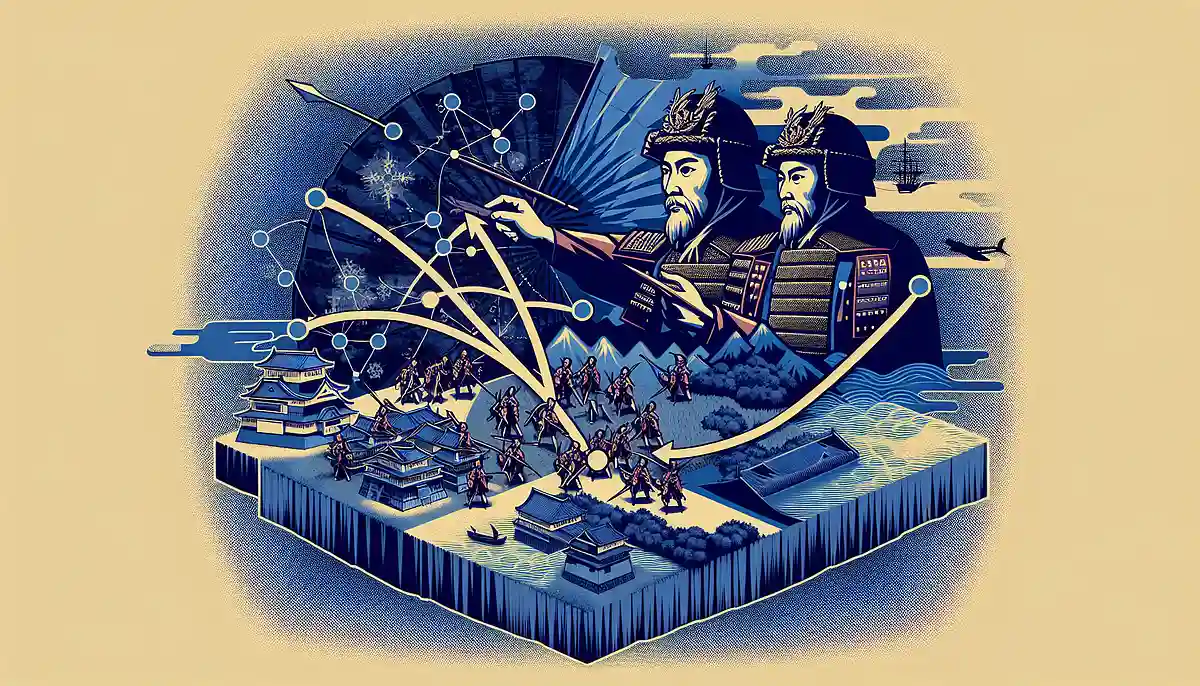
- Three-volley firing of the arquebus corps
- The spread of jousting
- Training of a unit specialized in night raids
See the answer
Three-volley firing of the arquebus corps
Oda Nobunaga is known in the Sengoku period for his effective use of firearms. In particular, the “three-stage volley” tactic he introduced is regarded as innovative on the battlefield. By dividing his gunners into three ranks and having each rank fire in turn as the previous one finished, he enabled continuous shooting against the enemy.

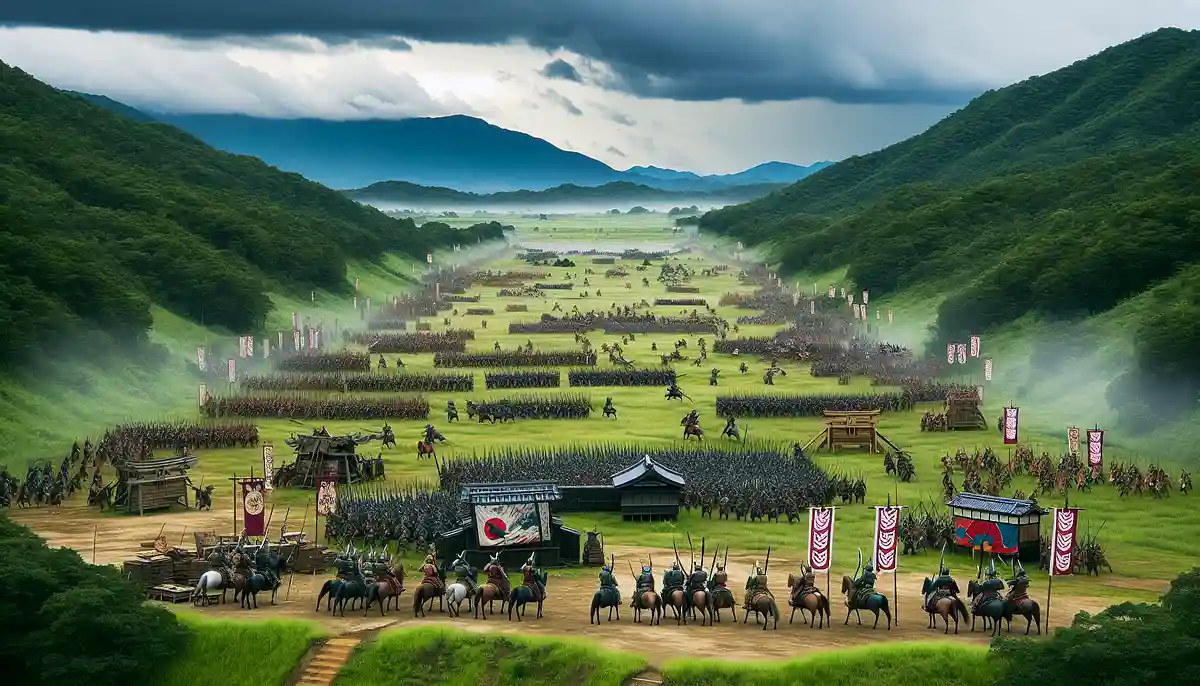
Who did Oda Nobunaga fight against in the Battle of Okehazama?
- Tokugawa Ieyasu
- Imagawa Yoshimoto
- Takeda Shingen
See the answer
Imagawa Yoshimoto
Oda Nobunaga slew Imagawa Yoshimoto at the Battle of Okehazama. This battle became a major turning point that marked Nobunaga’s first step toward unifying the realm.
Azuchi Castle, which was built by Oda Nobunaga—where is it located?

- Gifu Prefecture
- Shiga Prefecture
- Kyoto Prefecture
See the answer
Shiga Prefecture
Azuchi Castle is located in Azuchi, Shiga Prefecture. It was built by Oda Nobunaga as a base for unifying the country. The name comes from its construction on Mount Azuchi.
A Must-See for History Buffs! The Warring States Territory-Grabbing Quiz — For Seniors (11–20)
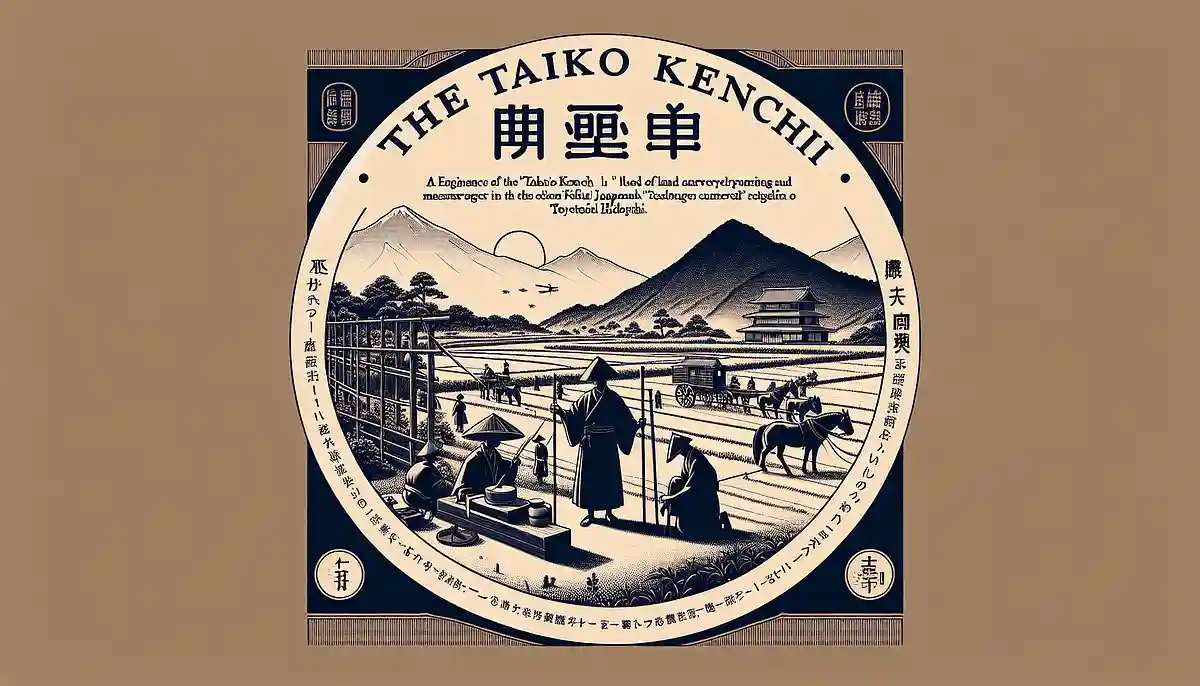
Toyotomi Hideyoshi’s “Taikō Kenchi.” What area did it measure?
- Market size
- Size of the castle
- Area of fields and paddies
See the answer
Area of fields and paddies
The Taiko land survey was conducted to ensure fair tax collection by measuring the area of fields and paddies nationwide. As a result, a new standard for evaluating land and taxation, known as the kokudaka system, was established.
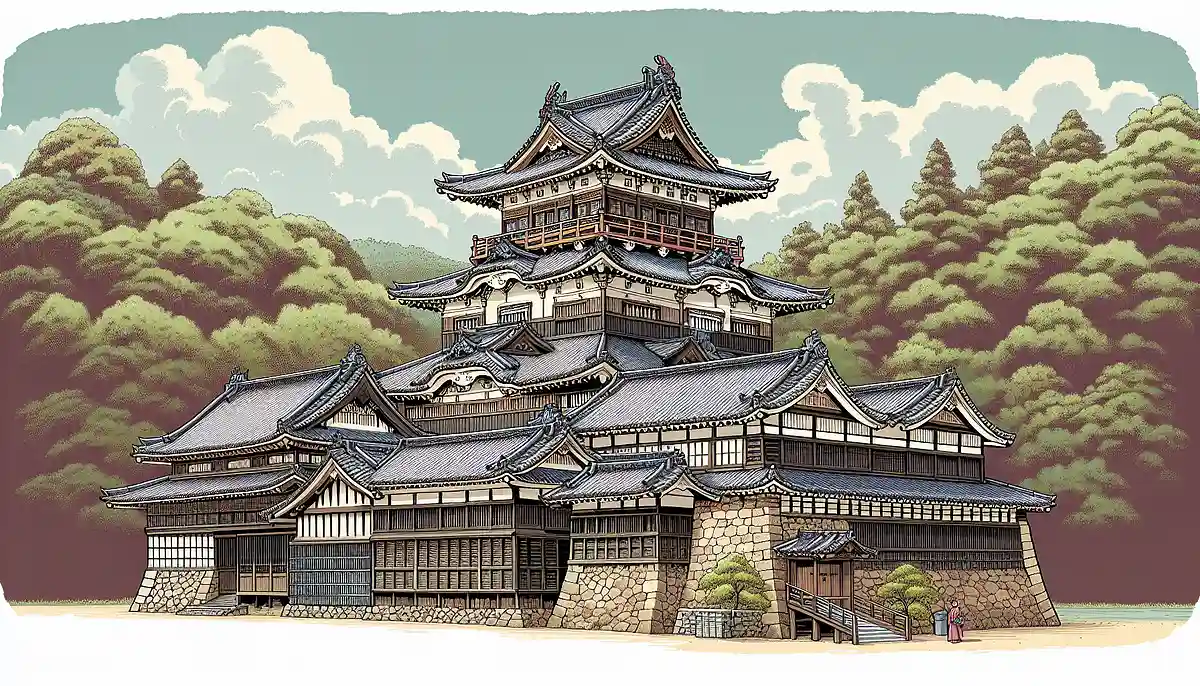
Where is “Momoyama Castle,” built by Toyotomi Hideyoshi, located?
- Okayama Prefecture
- Osaka Prefecture
- Kyoto Prefecture
See the answer
Kyoto Prefecture
Momoyama Castle is located in present-day Kyotanabe City, Kyoto Prefecture. The castle was built by Toyotomi Hideyoshi and gave its name to the Momoyama period.
What kind of attitude did Oda Nobunaga take toward Christian missionaries?
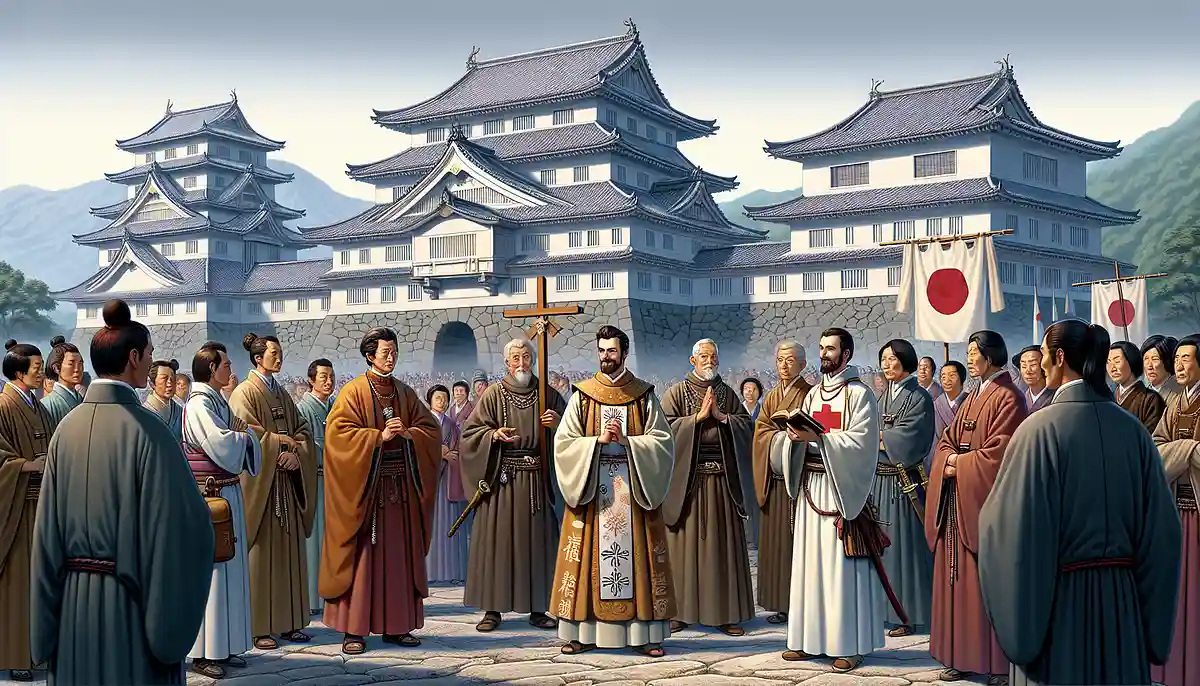
- strictly eliminated
- actively protected
- I was indifferent
See the answer
actively protected
Oda Nobunaga actively protected Christian missionaries. He believed that the spread of Christianity would undermine the power of the Buddhist monks, who held significant influence in society at the time.
Which of the following is the famous tactic that Toyotomi Hideyoshi used during his campaign against China?
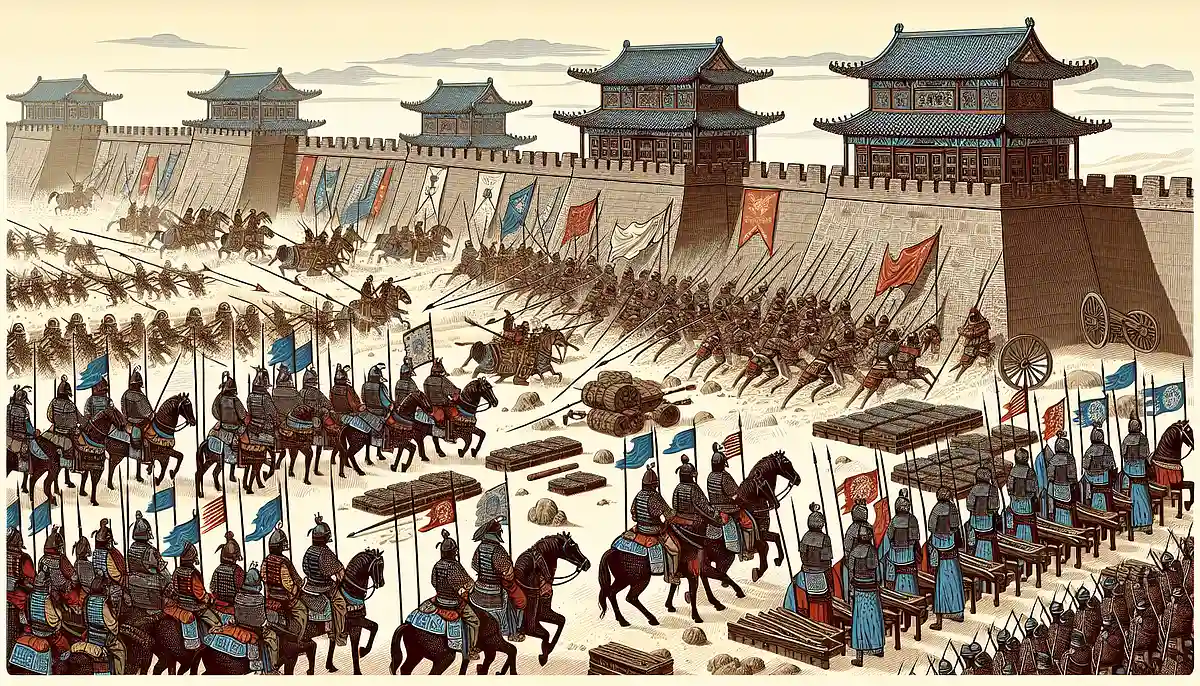
- Birdcage tactic
- Trump card tactics
- The 'Escape from the Tiger's Jaws' tactic
See the answer
Birdcage tactic
The “birdcage tactics” that Toyotomi Hideyoshi used in his campaign against the Mōri clan, the so-called Chūgoku offensive, involved confining the enemy in one place and then sealing them in tightly on all sides to starve them into submission. As a result, the Mōri were forced to surrender without a fight.