

[For Seniors] Introducing Trivia Quizzes and Fun Facts About December

December is a special month filled with traditional events and nostalgic memories.
There are fun facts about things like Christmas, the New Year’s Eve temple bells, and year-crossing soba that we think we know but actually don’t.
This time, we’re introducing quizzes about December that you can enjoy together with older adults.
You might find answers to those “why?” questions you’ve been curious about but hesitant to ask.
Since the topics are familiar, everyone can learn while having fun.
Let’s spend a heartwarming time full of smiles that will make us forget the winter chill!
- [For Seniors] Recommended Trivia Quizzes & Fun Facts for November
- [For Seniors] Fun Quiz Questions That Will Liven Up December
- [For Seniors] Brain-training with winter-themed quizzes. Great for activities, killing time, and dementia prevention.
- [For Seniors] January Trivia Quiz & Fun Facts. Brain training with quizzes about New Year and winter.
- [For Seniors] Fun and Informative! Health Trivia Quiz
- [For Seniors] Fun and Informative! Trivia and Quizzes Introduced
- [For Seniors] Lively two-choice trivia quiz. Handy to know and tidbits you'll want to share with others
- [For Seniors] Trivia Quiz & Fun Facts for Everyday Life
- [For Seniors] Christmas-themed quiz. Liven up the fun with amusing trivia questions!
- [For Seniors] Introducing Trivia Quizzes and Fun Facts About December
- [For Seniors] Let’s have fun with October trivia and fun facts quizzes!
- [For Seniors] Boost Your Knowledge! Fun Trivia Quiz
- [For Seniors] Fun and Informative Trivia Quiz Collection
[For Seniors] Introducing Trivia Quizzes & Fun Facts About December (1–10)
By when should I drop my New Year’s cards in the mail to ensure they arrive on New Year’s Day?
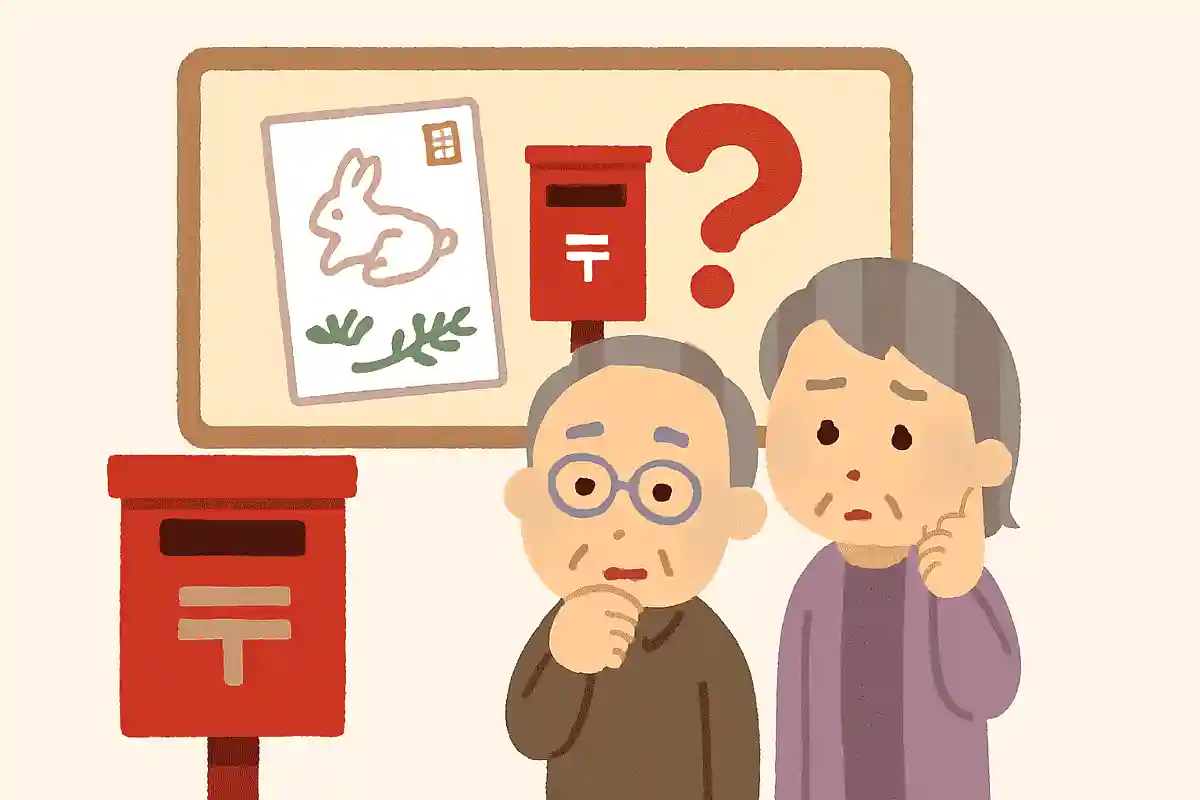
- By around December 15
- until around December 25
- Until around December 29
See the answer
until around December 25
To ensure New Year’s cards are delivered on New Year’s Day, it’s recommended to drop them in the mail by around December 25. Although New Year’s cards can typically be mailed starting December 15, Japan Post endeavors to deliver those posted by December 25 on January 1. If you mail them after that, there’s a higher chance they won’t arrive on New Year’s Day, so prepare with time to spare.
What does the year-end greeting mean?
- Express gratitude for the past year
- I hope next year will be a good year.
- Encourage them to think about their New Year’s resolutions.
See the answer
I hope next year will be a good year.
“Yoi otoshi o” is typically used at the end of the year and carries the meaning of wishing that the coming year will be a good one; it’s a shortened form of “Yoi otoshi o omukae kudasai” (Please welcome a good new year). Its origin dates back to the Edo period. At that time, it was common to buy goods or eat out on credit. People would say “Yoi otoshi o” with the hope of settling their tabs before the New Year and welcoming the new year with a clean slate.

What are illnesses caused by the cold?
- diabetes
- pneumonia
- myocardial infarction
See the answer
myocardial infarction
Cold temperatures cause blood vessels to constrict, making high blood pressure more likely and increasing the risk of myocardial infarction. Older adults should be especially careful. Sudden temperature changes—such as going from a warm room to the bathroom—are another contributing factor. Try to keep the temperature as consistent as possible.
[For Seniors] Trivia Quiz & Fun Facts about December (Questions 11–20)
What is the reason for eating toshikoshi soba?
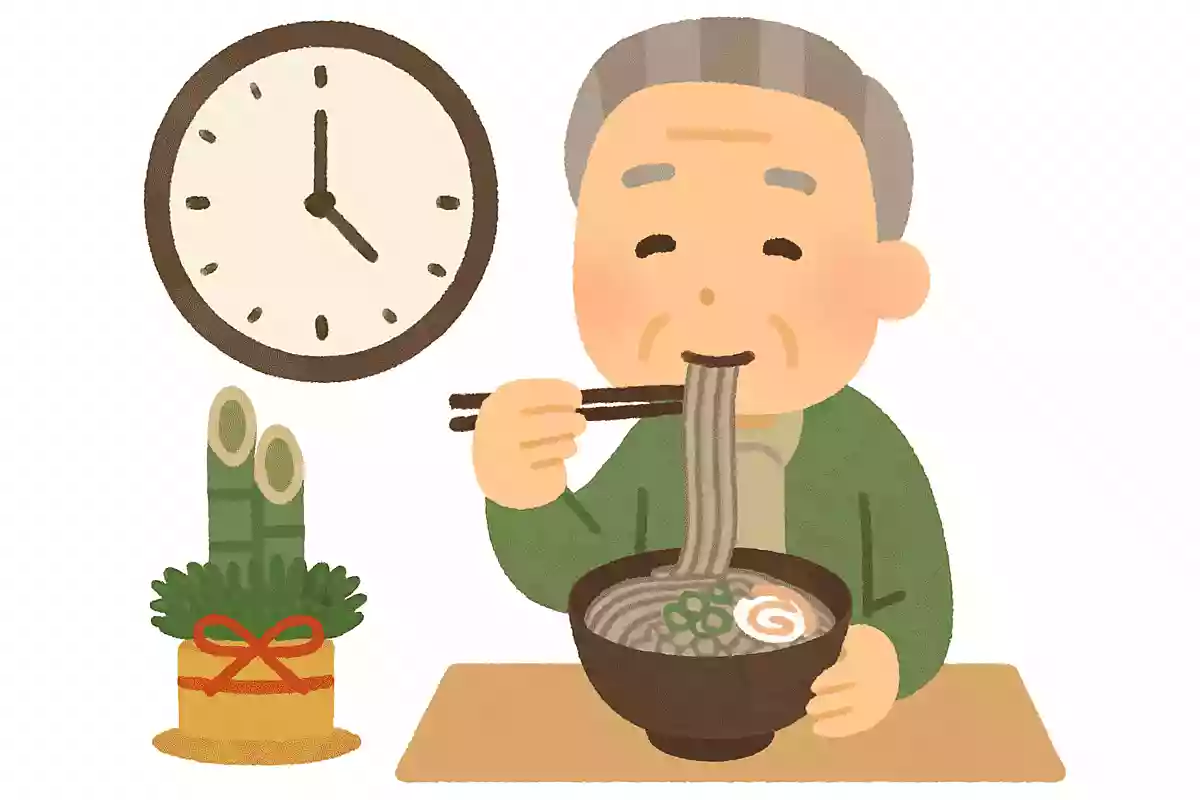
- To wish for longevity, like long noodles
- Because the nutrients in soba (buckwheat) are good for your health
- to warm the body so as not to lose to the cold
See the answer
To wish for longevity, like long noodles
Toshikoshi soba, with its thin and long shape, carries the wish to cut off the hardships and misfortunes of the past year and to spend the new year in long-lasting health. Buckwheat is also a plant that grows strong even under heavy wind and rain. It is said that people in the past began eating soba to emulate that resilience.
What is the origin of the yuzu bath?
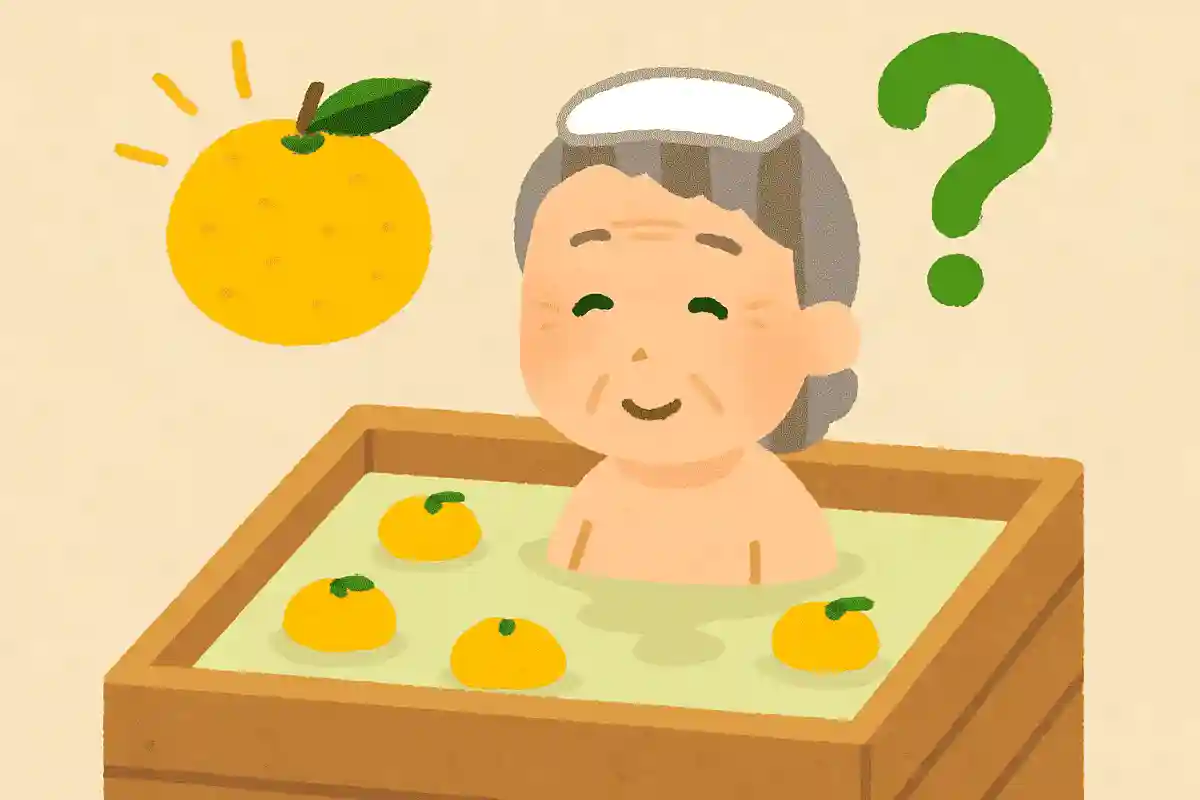
- Because yuzu is rich in vitamin C that helps prevent colds.
- Because the scent of yuzu calms the mind.
- Because “yuzu” is associated with “yūzū” (flexibility/accommodation), it has been considered auspicious.
See the answer
Because yuzu was associated with “yūzū” (flexibility/adaptability), it was considered auspicious.
The custom of taking a yuzu bath on the winter solstice carries the meaning of wishing for a year of good health by warming the body on that day. Yuzu is considered auspicious because its name echoes the word for “flexibility” or “accommodation” (yūzū), and there’s also a wordplay linking the winter solstice (tōji) with therapeutic hot-spring cures (tōji). For these reasons, it has long been adopted in Japan as a form of folk remedy.
Which country does Santa Claus live in?
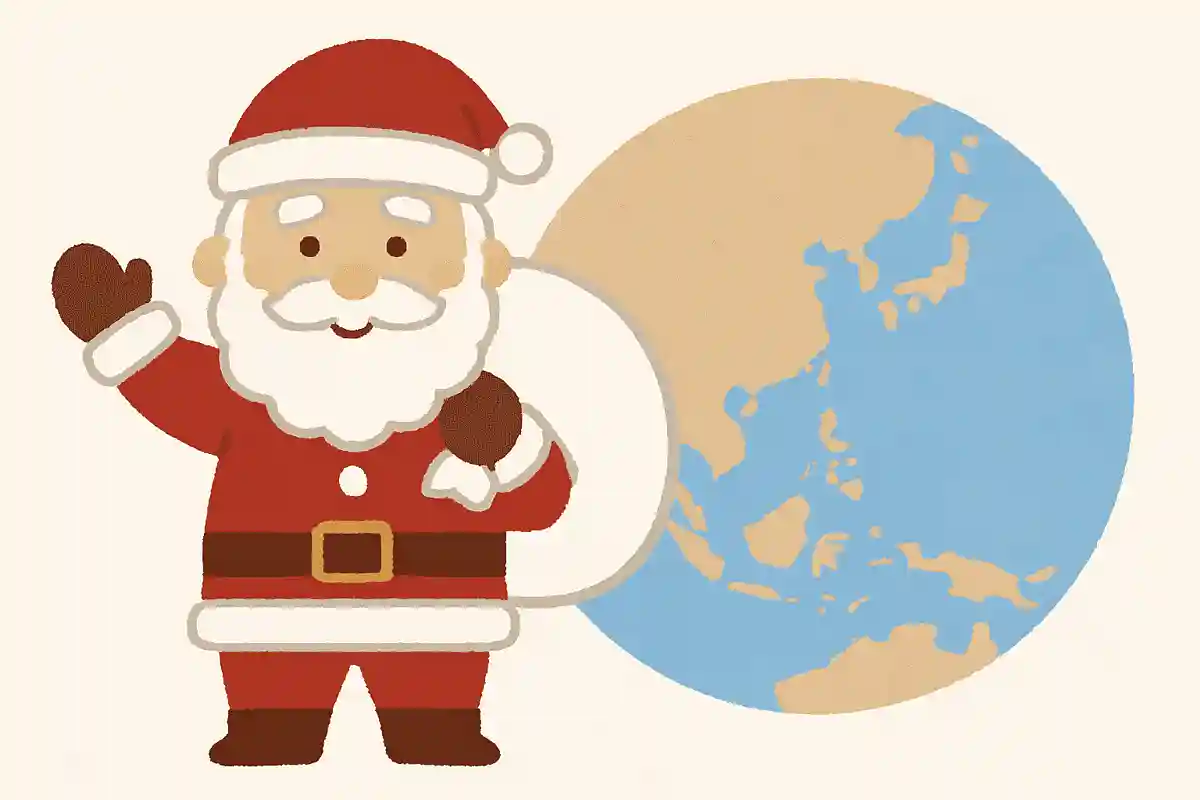
- America
- Finland
- Canada
See the answer
Finland
The place widely said to be Santa Claus’s home is Finland in Northern Europe. In particular, the town of Rovaniemi in the Lapland region is famous as the Santa Claus Village, and letters arrive there from all over the world. Located within the Arctic Circle, with snowy, cold winters, it perfectly fits the image of Santa Claus. In recent years, Canada and Greenland have also been mentioned as candidates, but Finland is the only country with an official Santa Claus Village.
What was Christmas, the big event in December, originally a day to celebrate?
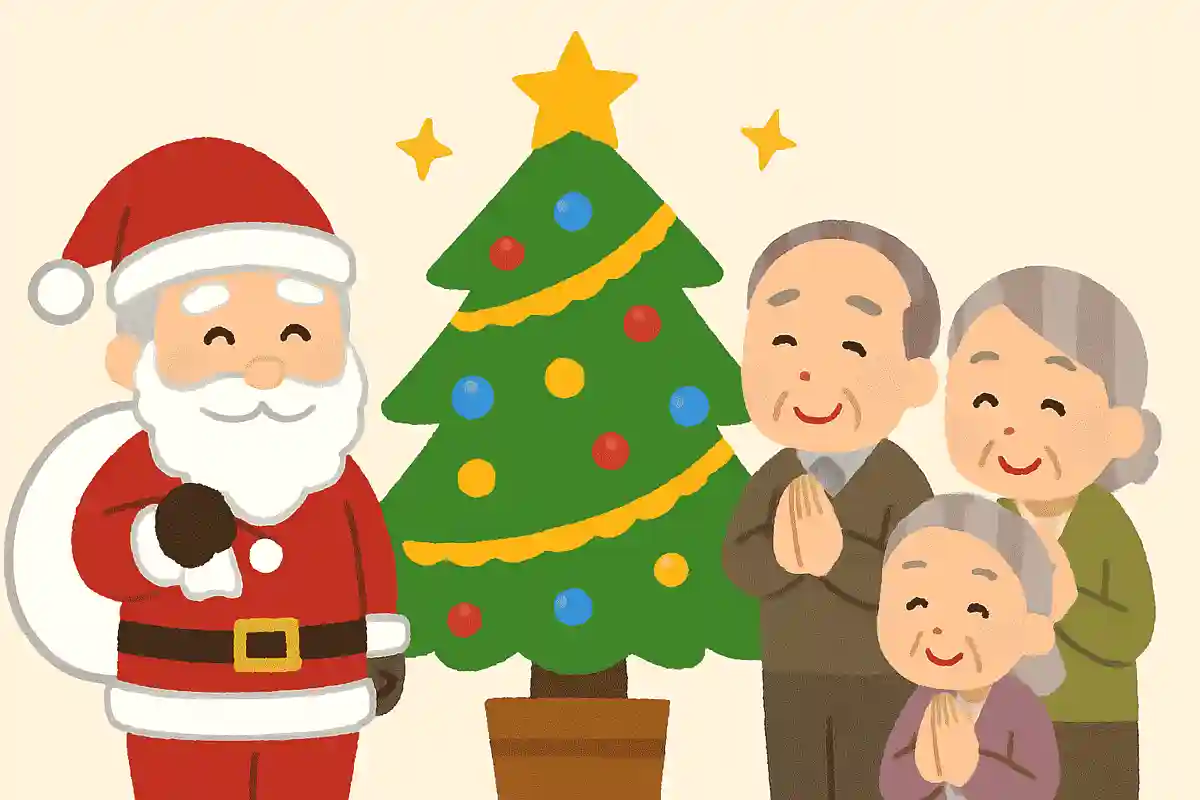
- Winter Solstice celebration
- The Birth of Jesus Christ
- The Birth of Santa Claus
See the answer
The Birth of Jesus Christ
Christmas is the day in Christianity that celebrates the birth of Jesus Christ. It is observed on December 25 every year and was originally a religious event. Jesus Christ is the founder of Christianity, and his birth is regarded as a momentous event for people. Today, regardless of religion, it is widely enjoyed in many countries as a time for exchanging gifts, decorating Christmas trees, and spending time with family, but its origin lies in the birth of Jesus Christ.