

[For Seniors] Insect Trivia Quiz & Fun Facts Questions

The world of insects is all around us, yet there’s a surprising amount we don’t know about it.
Dragonflies, rhinoceros beetles, and fireflies—familiar since long ago—actually have astonishing traits and ways of life.
In this article, we’ve carefully selected easy, enjoyable insect trivia quizzes and fun facts that older adults can also appreciate.
Blending in nostalgic topics, the content can spark conversation and stimulate the brain.
Please enjoy taking on the challenge together with your family or friends.
- For Seniors: Useful Trivia Questions! Introducing Fun Facts Quizzes You'll Want to Share
- [For Seniors] Trivia Quiz & Fun Facts for Everyday Life
- [For Seniors] Summer-Themed Trivia Quiz & Fun Facts Collection
- [For Seniors] Fun Food Trivia Quizzes You'll Want to Share
- [For Seniors] Introducing Scary Trivia Quizzes & Fun Facts!
- [For Seniors] Boost Your Knowledge! Fun Trivia Quiz
- [For Seniors] Summer Festival Trivia Quiz & Fun Facts. Enjoyable Quizzes That Boost Your Knowledge
- [For Seniors] Fun and Informative! Trivia and Quizzes Introduced
- [For Seniors] Fun and Informative! Health Trivia Quiz
- [For Seniors] Fun and Informative Trivia Quiz Collection
- [For Seniors] Super Amazing Trivia Quiz! Introducing Practical Tips for Everyday Life
- [For Seniors] Sports Trivia Quiz & Fun Facts. Easy and Entertaining
- [For Seniors] Horse Trivia Quiz: Have fun with surprising facts about their behavior and little-known tidbits
[For Seniors] Insect Trivia Quiz & Fun Facts (1–10)
Mosquitoes also suck things other than human blood. What are they?
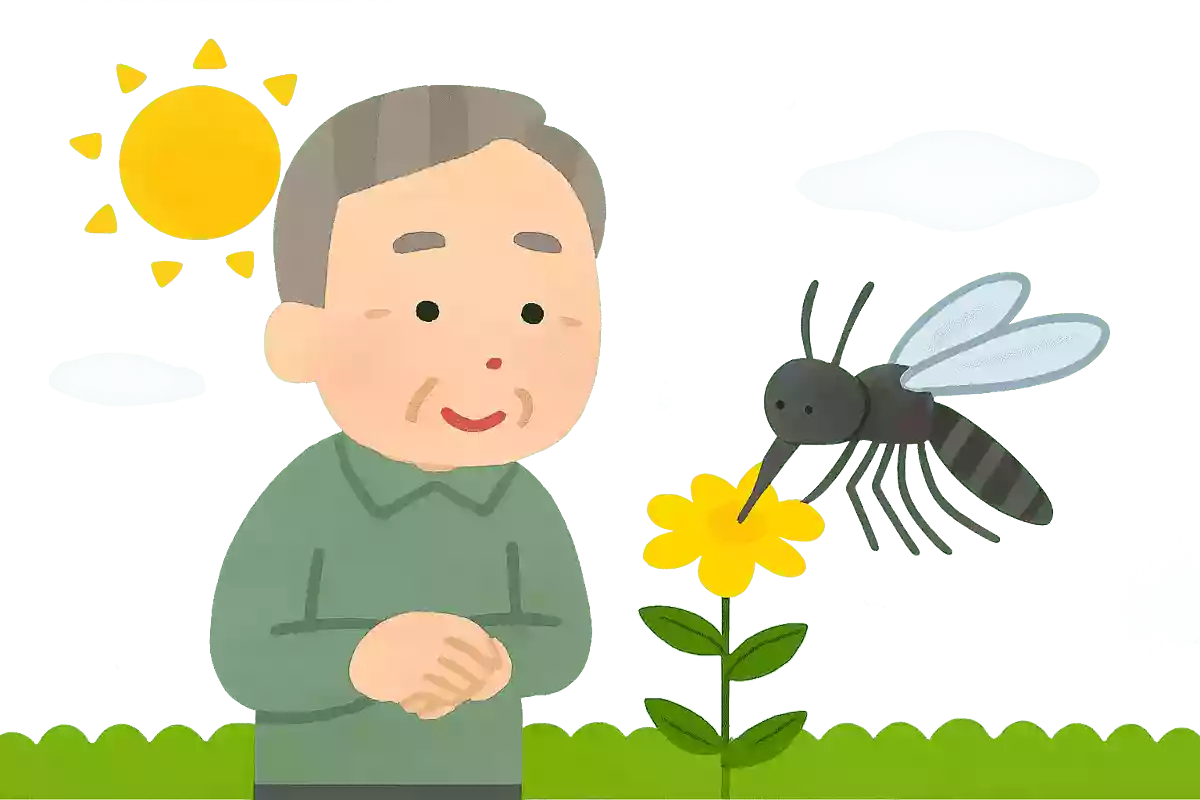
When you think of mosquitoes, the first thing that comes to mind is probably “sucking blood.” But in fact, they drink more than just blood.
So what else do they drink? Here’s a hint: something sweet.
The answer is… flower nectar.
Mosquitoes actually sip nectar regularly to replenish their energy.
Only females drink blood, and only because they need it to develop their eggs—males drink nectar exclusively.
Learning a new side of a familiar creature can spark conversation and stimulate the brain while enjoying the feel of the season.
It’s a tidbit you’ll remember the next time you hear that buzzing sound in the summer.

When cicadas are chirping in the background during a phone call, how does it sound to the person on the other end?
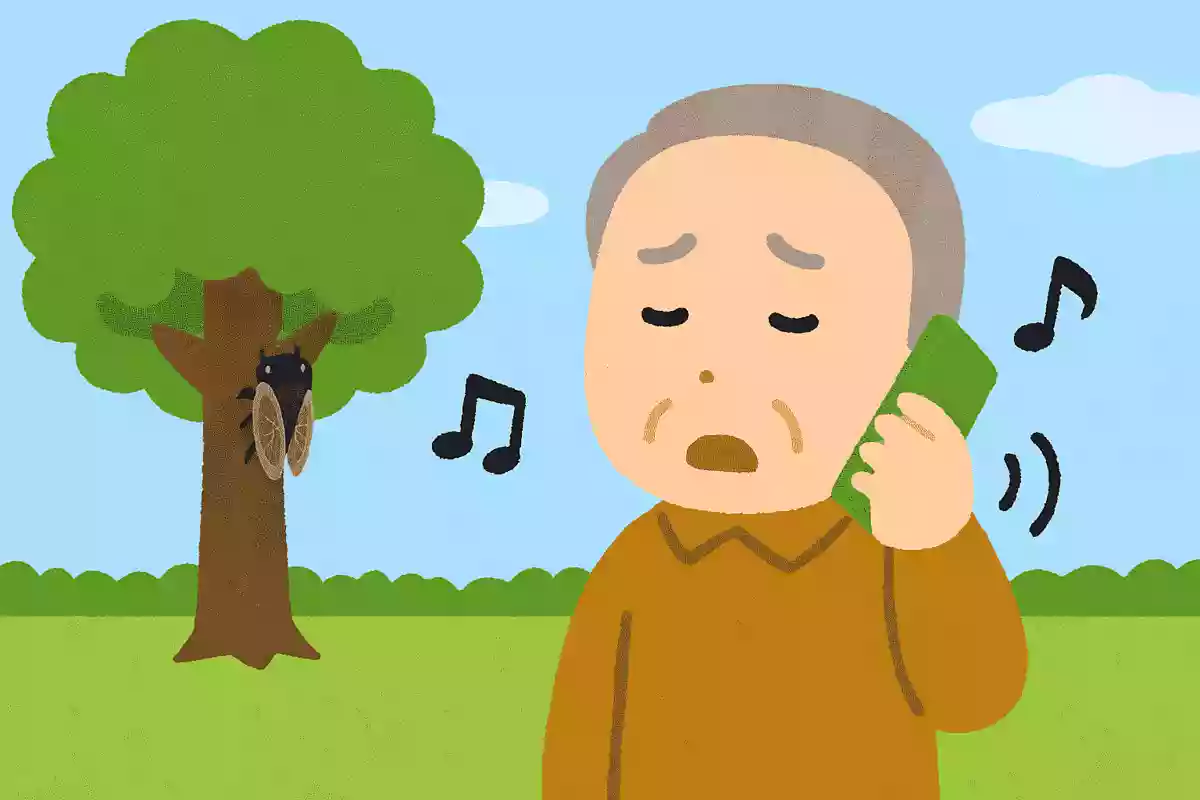
How would the sound of cicadas in the background come across to the person on the other end of a phone call? The hint is “how phones work.” Traditional telephones are designed to transmit only the frequency range of the human voice, so higher-pitched sounds like cicadas are cut out.
In other words, the answer is: “You can’t hear them.” The unexpected answer is sure to prompt a “Wow!” and liven up the conversation.
That said, with modern smartphones, the microphone’s performance and the calling app can sometimes let cicada sounds come through.
If this summery sound becomes a topic, it might make people recall their childhood days spent running around or scenes from the countryside.
It’s a warm little quiz that can whisk your heart back to summer with just the chirp of a cicada.
Which of these is not an insect?
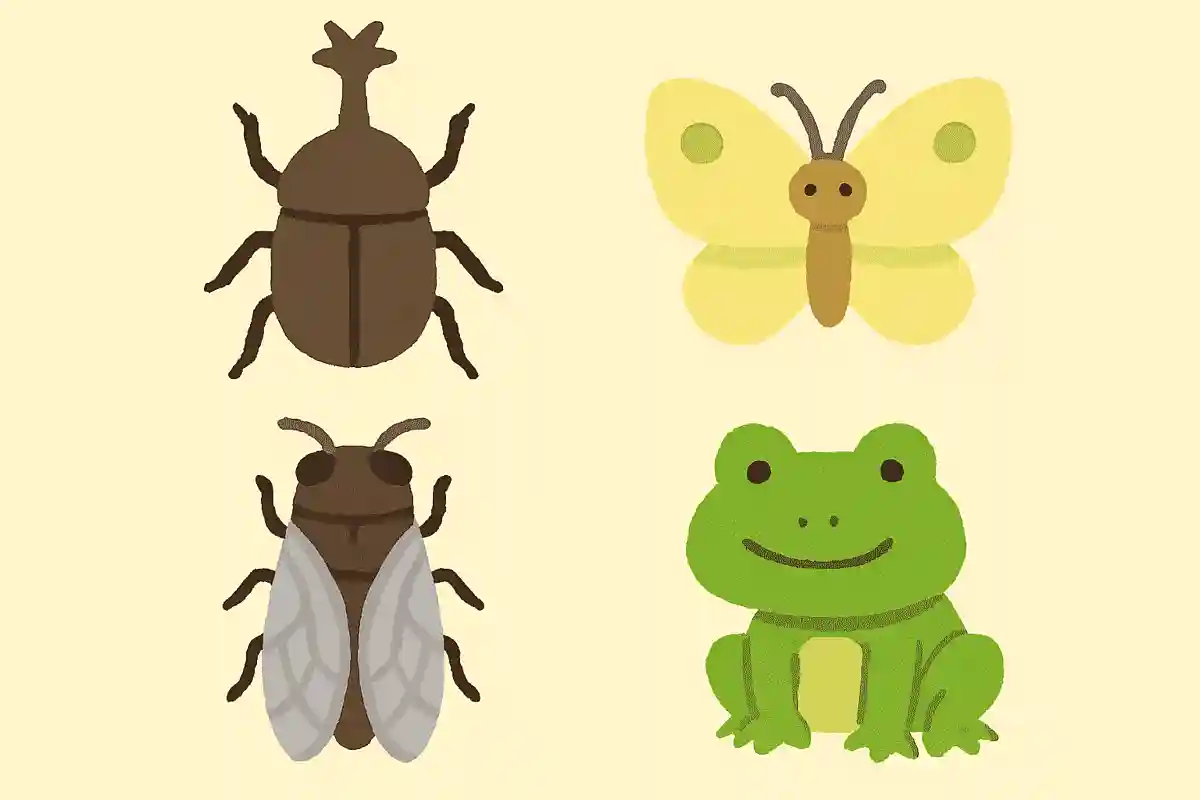
- firefly
- Spider
- fly
See the answer
Spider
The correct answer is spiders. Spiders may look similar to insects, but they are not actually insects. Insects have bodies divided into three parts—head, thorax, and abdomen—and they have six legs. In contrast, spiders have two body segments—the cephalothorax and abdomen—and they have eight legs. Spiders are classified as arachnids within the arthropods, making them a different group from insects.
[For Seniors] Insect Trivia Quiz & Fun Facts (11–20)
How do water striders move to other bodies of water?
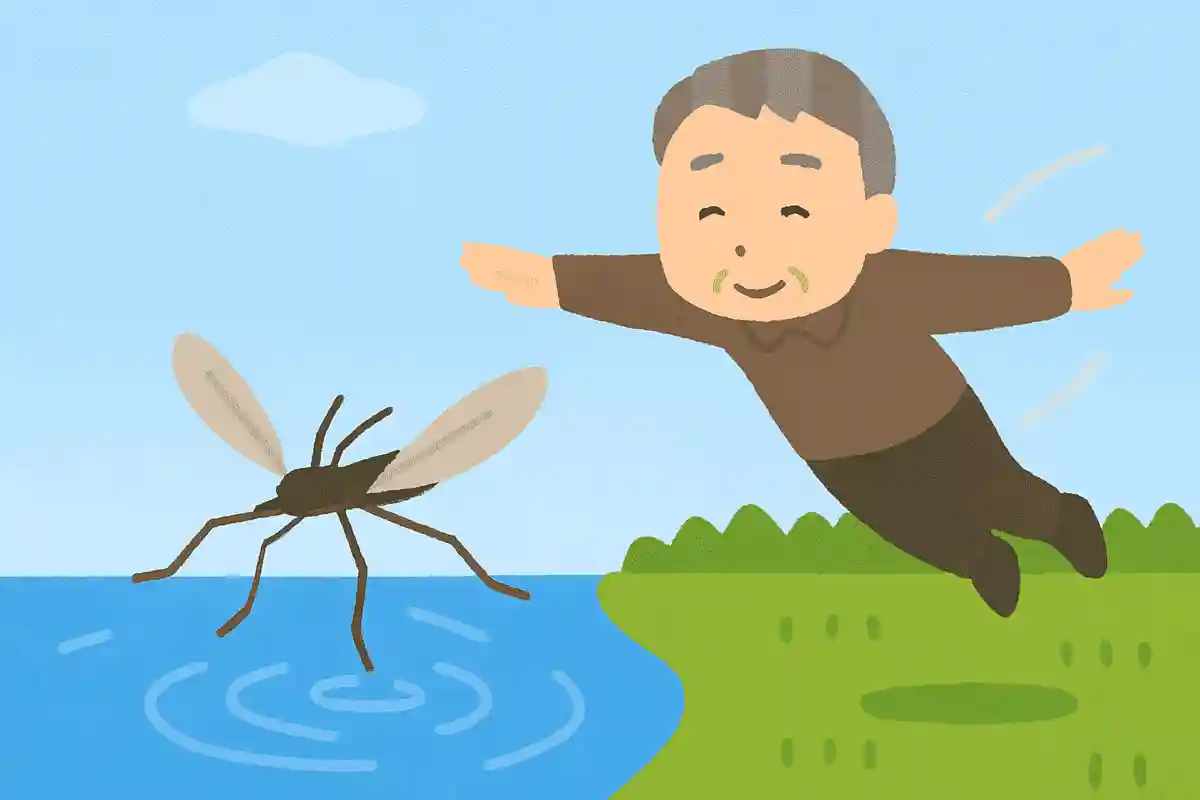
- fly away
- Walk across/on land
- Clinging to a bird and going
See the answer
fly away
Water striders are known for gliding smoothly across the surface of water, but they can actually fly as well. When their habitat dries up or food becomes scarce, they use their wings to move to another body of water. Since we usually only see them on the water’s surface, many people don’t realize they can fly—but in fact, they’re quite active insects.
What shape is a rhinoceros beetle’s mouth?
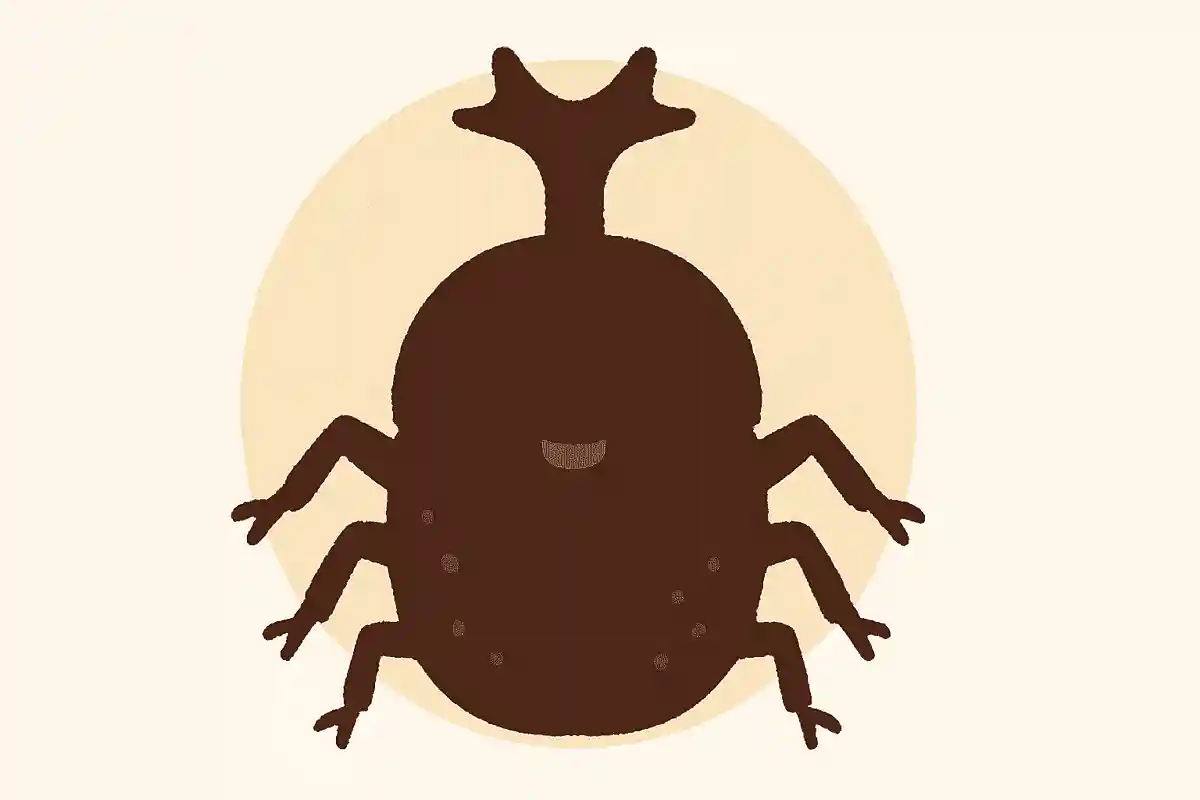
- tong-like
- file-like
- brush-like
See the answer
brush-like
A rhinoceros beetle’s mouth is shaped like a brush. This shape is well-suited for licking up liquids such as tree sap. Instead of chewing with its mouth, the rhinoceros beetle feeds by using fine, hair-like structures to absorb the liquid.
Why do crickets chirp?
- territorial dispute
- to escape from the enemy
- courting a female
See the answer
courting a female
Crickets chirp mainly so that males can advertise their presence and court females. By rubbing their wings together to produce a “chi-chi-chi…” sound, they signal their location and attractiveness to potential mates.
Which of the following is the lifespan of the bell cricket?
- two weeks
- 4 months
- 1 year
See the answer
4 months
The life span of the bell cricket is surprisingly short—about four months. They begin to chirp with a beautiful “rinnn-rinnn” sound toward the end of summer, but their life cycle starts when they hatch from eggs in spring, become adults, are active through autumn, and eventually reach the end of their lives.