

![[For Seniors] Insect Trivia Quiz & Fun Facts Questions](https://media.ragnet.co.jp/img/1200__png__https://www.studiorag.com/files/2025/05/8e58144b492fbf6cd3c0e73db26358bc.webp)
[For Seniors] Insect Trivia Quiz & Fun Facts Questions

The world of insects is all around us, yet there’s a surprising amount we don’t know about it.
Dragonflies, rhinoceros beetles, and fireflies—familiar since long ago—actually have astonishing traits and ways of life.
In this article, we’ve carefully selected easy, enjoyable insect trivia quizzes and fun facts that older adults can also appreciate.
Blending in nostalgic topics, the content can spark conversation and stimulate the brain.
Please enjoy taking on the challenge together with your family or friends.
[For Seniors] Insect Trivia Quiz & Fun Facts (1–10)
Where do swallowtail butterflies lay their eggs?
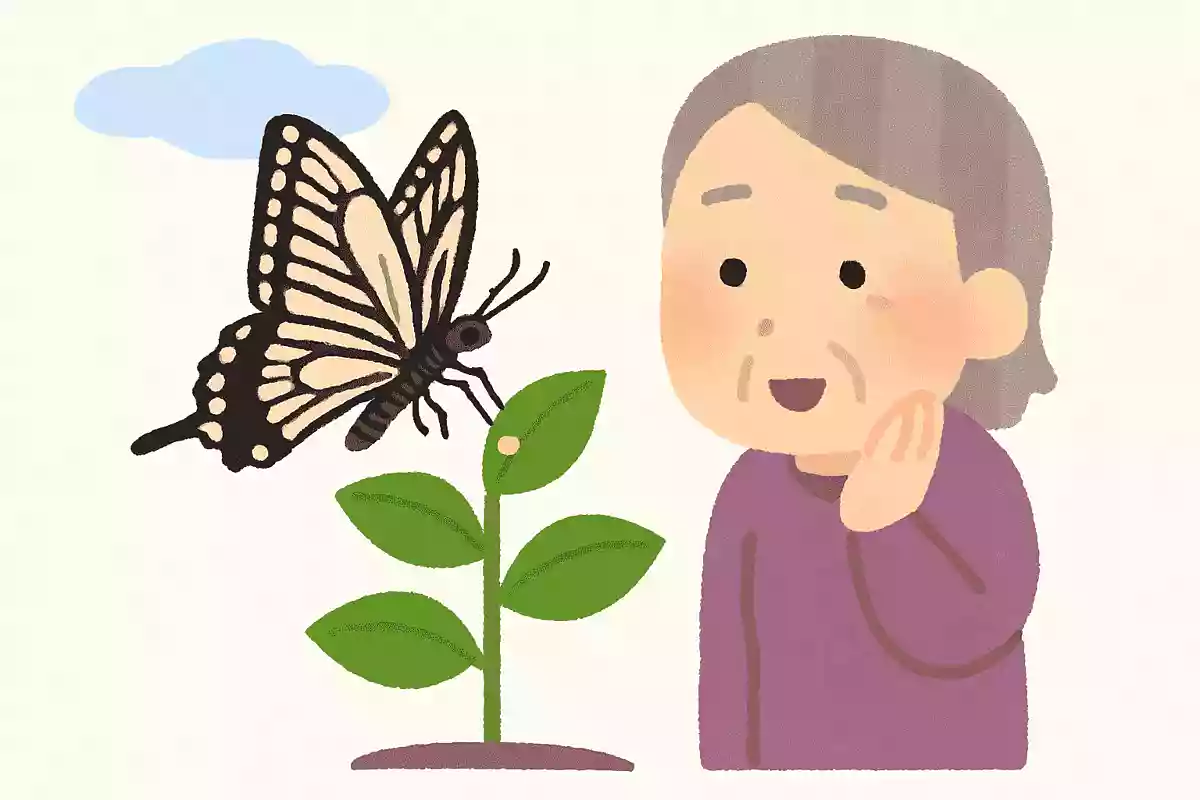
- Mikan leaves
- cabbage leaf
- the gaps between fallen leaves
See the answer
Mikan leaves
Swallowtail butterflies lay their eggs on citrus leaves, such as those of mandarin orange trees. This is because swallowtail caterpillars prefer to feed on the leaves of citrus plants.
Which part of a cicada produces its sound?
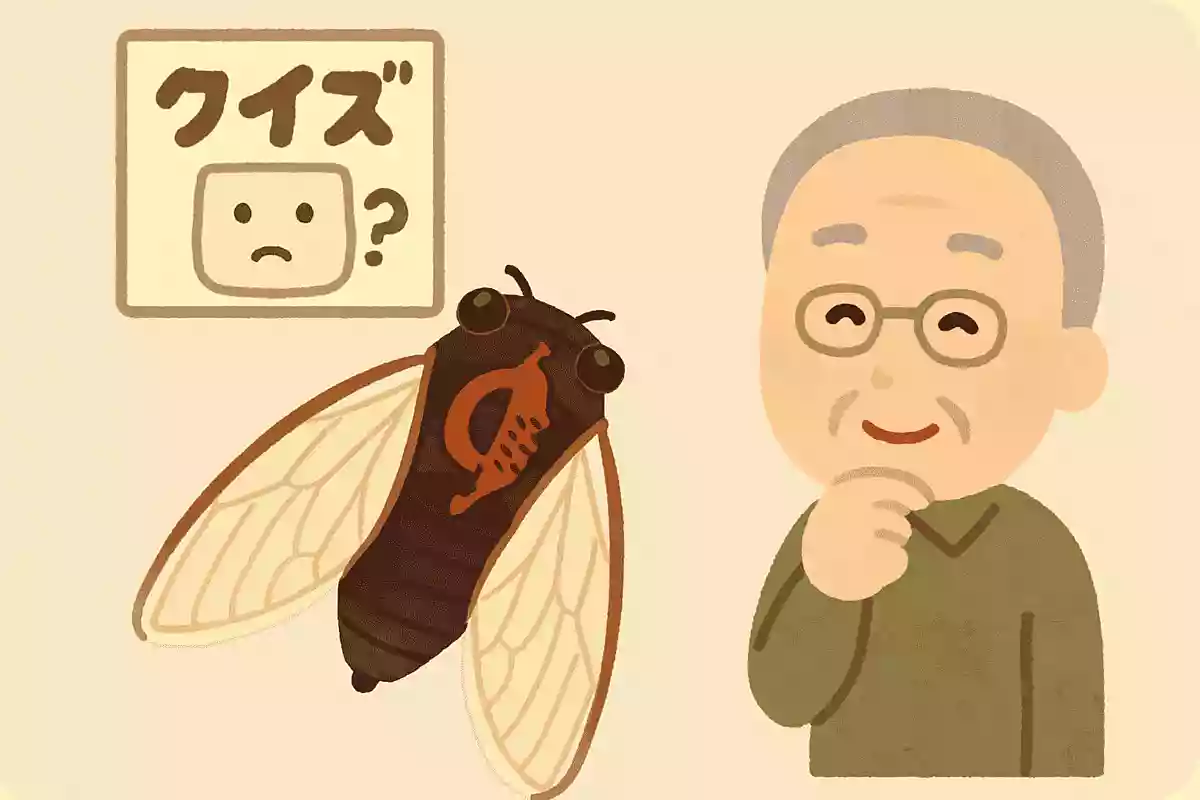
- belly
- feather; wing; to splash; to bounce
- mouth
See the answer
belly
Cicadas produce their calls from the abdomen. Inside their belly is a special organ called a tymbal, and by vibrating it they create a loud sound. This sound is produced mainly by males to attract females.
What happens if an earthworm is torn in half?
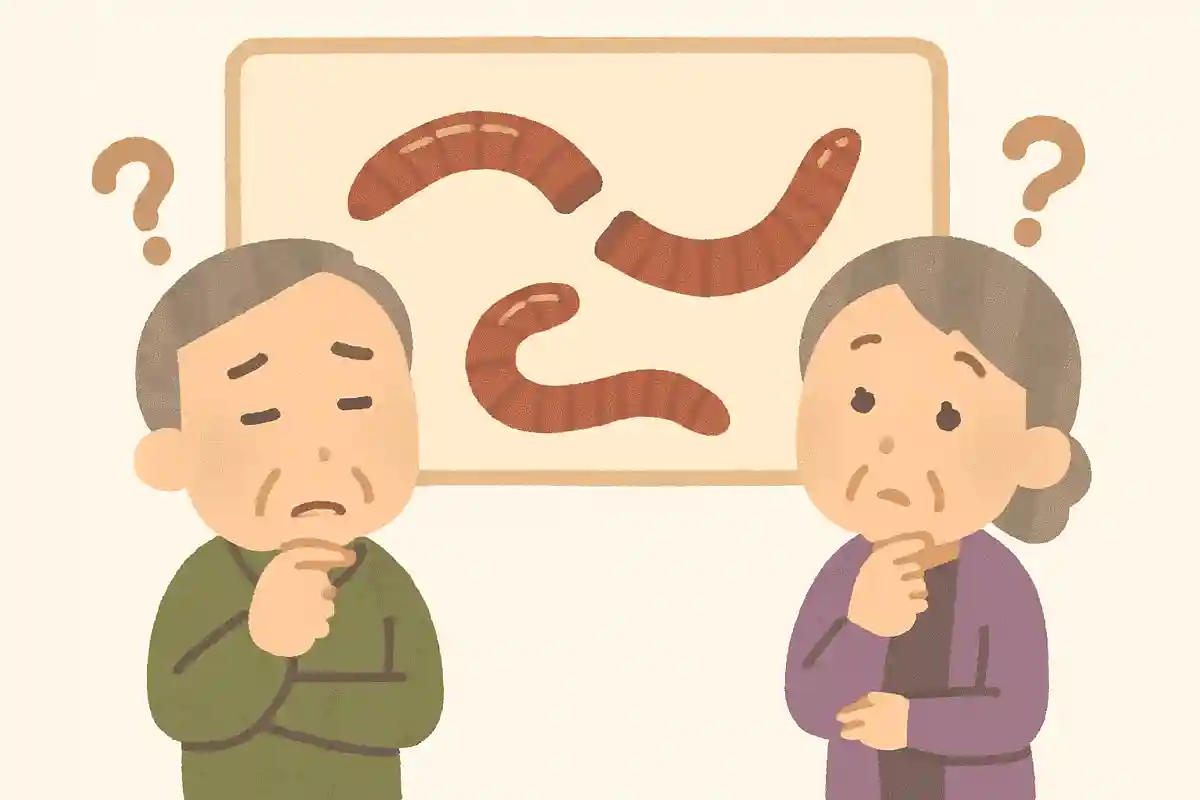
- Both will survive
- One of the torn pieces will survive.
- Both will die.
See the answer
One of the torn pieces will survive.
When an earthworm is torn in half, sometimes only one of the two pieces survives. People often think that “both halves of a worm can live,” but that’s a misconception. An earthworm’s body has a head (front) and a tail (rear), and the vital organs are concentrated on the head side.
Mosquitoes that appear in summer: Which one sucks blood, the female or the male?
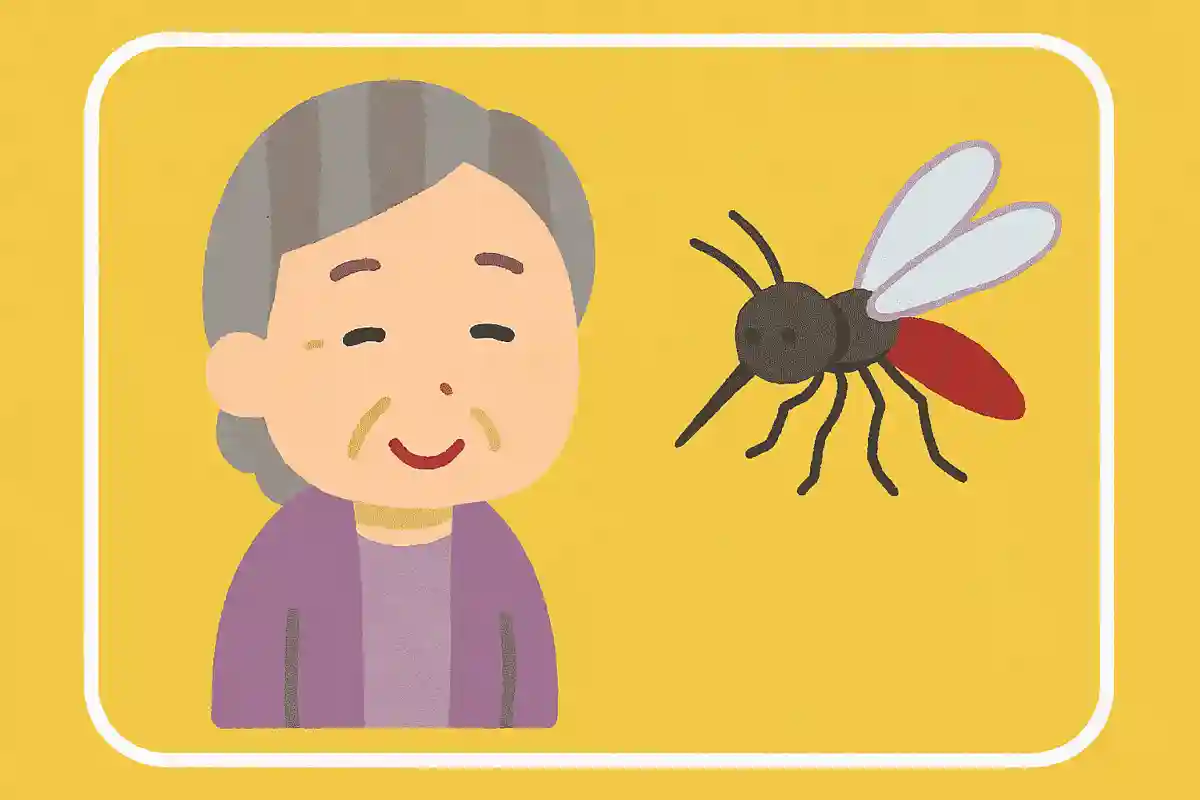
Before you know it, you sometimes get bitten by a mosquito and start to itch, right? In fact, only female mosquitoes suck blood.
The reason they do is to obtain the protein needed for laying eggs, so males don’t feed on blood.
Usually, to get energy in the form of sugars, they sip nectar from flowers or sap from plants.
Since they can’t lay eggs without blood, female mosquitoes desperately seek it to leave offspring.
Mosquitoes are a pesky presence that shows up in summer, but it turns out they have a reason for sucking blood.

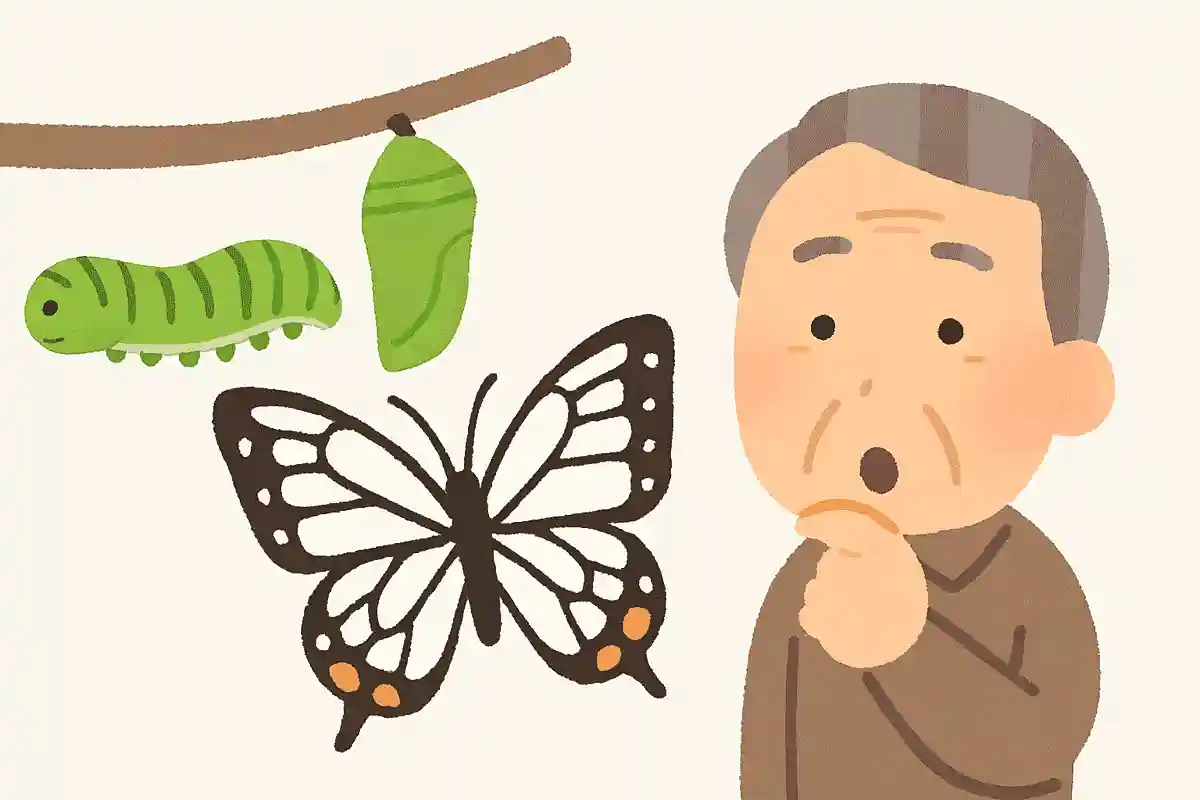
What do you call the process of a caterpillar becoming a chrysalis and then a butterfly?
- evolution
- Change
- pervert
See the answer
pervert
The process by which a caterpillar becomes a chrysalis and eventually a butterfly is called metamorphosis. In insects, “metamorphosis” refers to a significant change in body form during the course of growth.
Are worker bees male or female?
Bees that fly around outside and collect nectar to bring back to the hive give us the impression that they contribute to the colony.
So, which sex are these commonly seen worker bees—male or female? Considering that there is a queen inside the hive and that worker bees do not have reproductive capability, you might be able to guess.
The answer is that, like the queen, worker bees are female.
Males are born only during the breeding season, so most of the bees you see are likely females.

Why do fireflies glow?
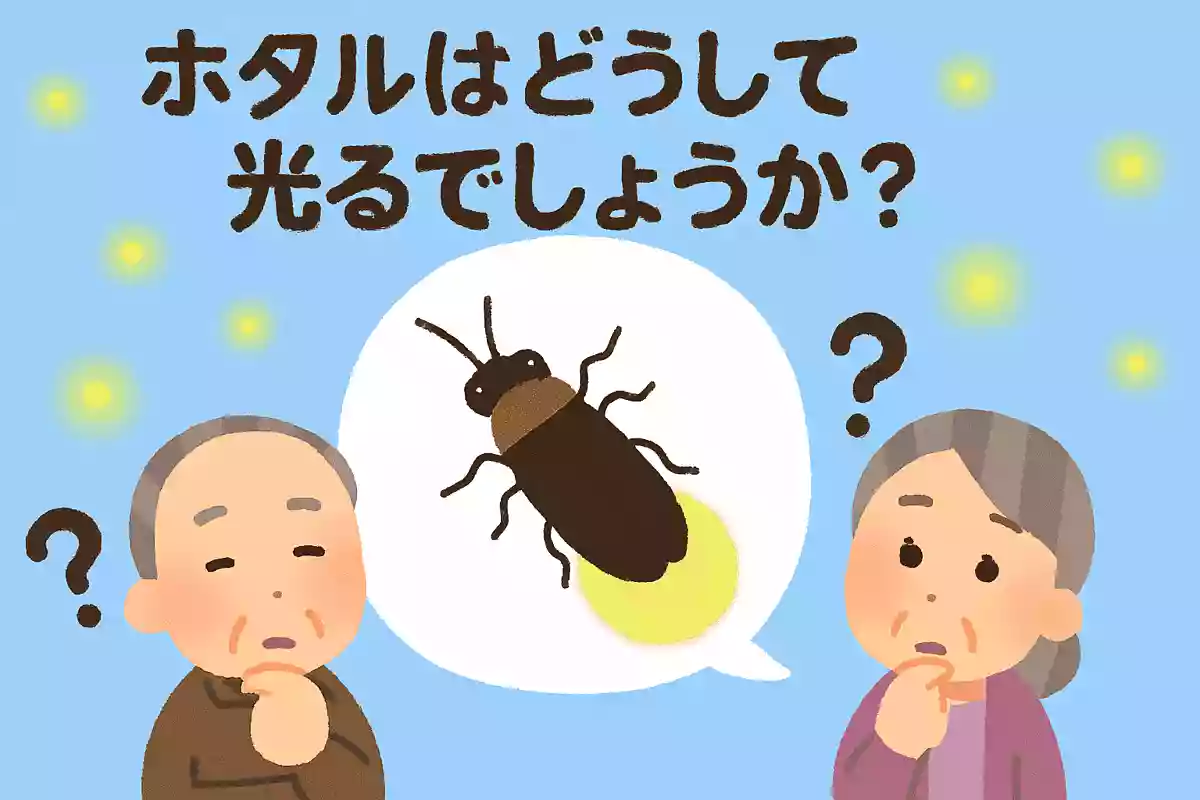
The way fireflies softly glow is a hallmark of summer nights.
It’s a beautiful sight to watch, but do you know why fireflies light up? Here’s a hint: it’s a sign to meet.
Their manner of glowing has meaning, and it’s said they send messages through the rhythm and timing of their flashes.
Signals exchanged in the stillness of night.
The answer is… courtship.
Fireflies use light to find a mate and to announce their presence.
Knowing such a romantic reason might make the night scenery feel a little more special.
