

[For Seniors] Enjoy Brain Training with September Trivia Quizzes & Fun Facts


September is known as Nagatsuki, a month enriched by abundant harvests and a variety of colorful events.
Traditional observances like Disaster Prevention Day, Respect for the Aged Day, and moon-viewing (Otsukimi) carry the wisdom and wishes of our ancestors.
As you take on trivia and quiz questions about September, why not reminisce about fond memories? From the origins of the old lunar calendar to the Seven Flowers of Autumn and the history of sports festivals, we’ll introduce fascinating facts and trivia that are sure to make you say, “Wow!” Deepen your knowledge while enjoying a calm, heartwarming time with older adults.
- [For Seniors] September Quiz: Brain Training Problems
- [For Seniors] Fun and Informative Trivia Quiz Collection
- [For Seniors] Fun! Let’s Get Excited with Japan’s Number One Quiz
- [For Seniors] Sports Trivia Quiz & Fun Facts. Easy and Entertaining
- [For Seniors] Hina Matsuri (Girls’ Day) Trivia Quiz & Fun Facts. Recommended for Dementia Prevention Activities
- [For Seniors] Let's have fun with an autumn-themed quiz!
- [For Seniors] Introducing Trivia Quizzes and Fun Facts About December
- [For Seniors] Introducing Scary Trivia Quizzes & Fun Facts!
- [For Seniors] Trivia Quiz & Fun Facts for Everyday Life
- [For Seniors] Recommended Trivia Quizzes & Fun Facts for November
- Recommended for seniors! Liven up your event with a Respect-for-the-Aged Day quiz!
- For Seniors: Lively! Trivia and Fun Facts Quiz for August
- [For Seniors] Fun Brain Training! Quizzes Recommended for October
[For Seniors] Enjoy Brain Training with September Trivia Quizzes & Fun Facts (1–10)
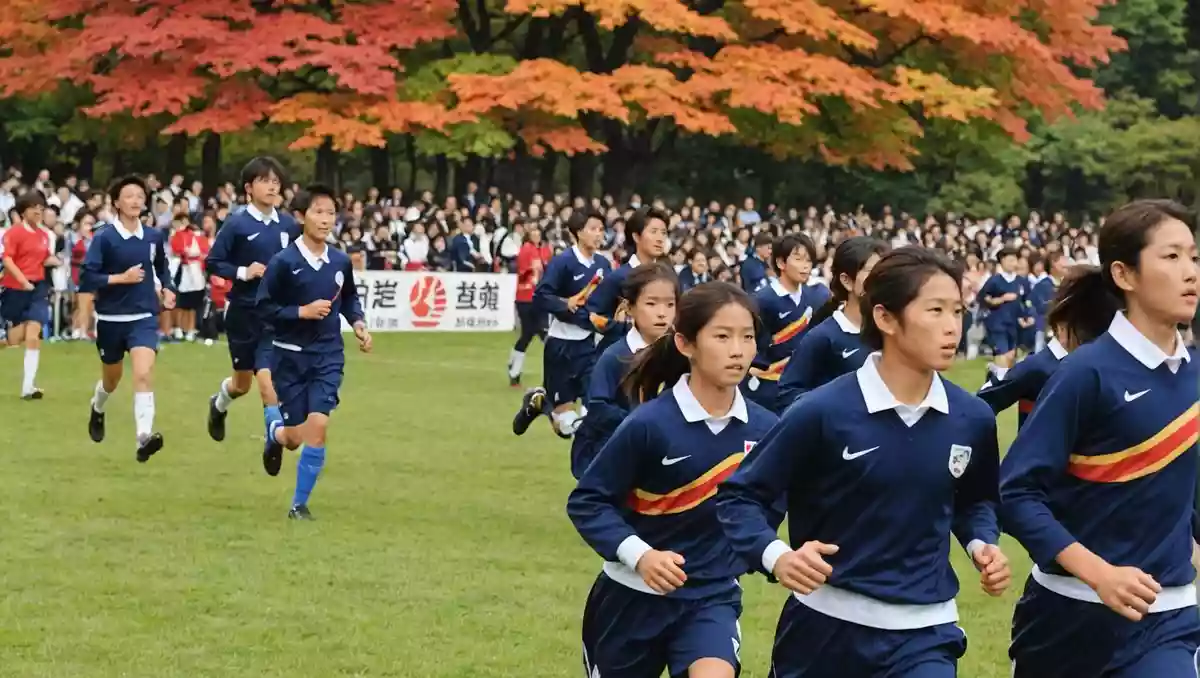
September is also the time when autumn sports festivals are held, but where was the first sports festival in Japan held?
- Hokkaido
- Hiroshima
- Tokyo
See the answer
Tokyo
It was held in 1874 at the Naval Barracks in Tsukiji, Tokyo.

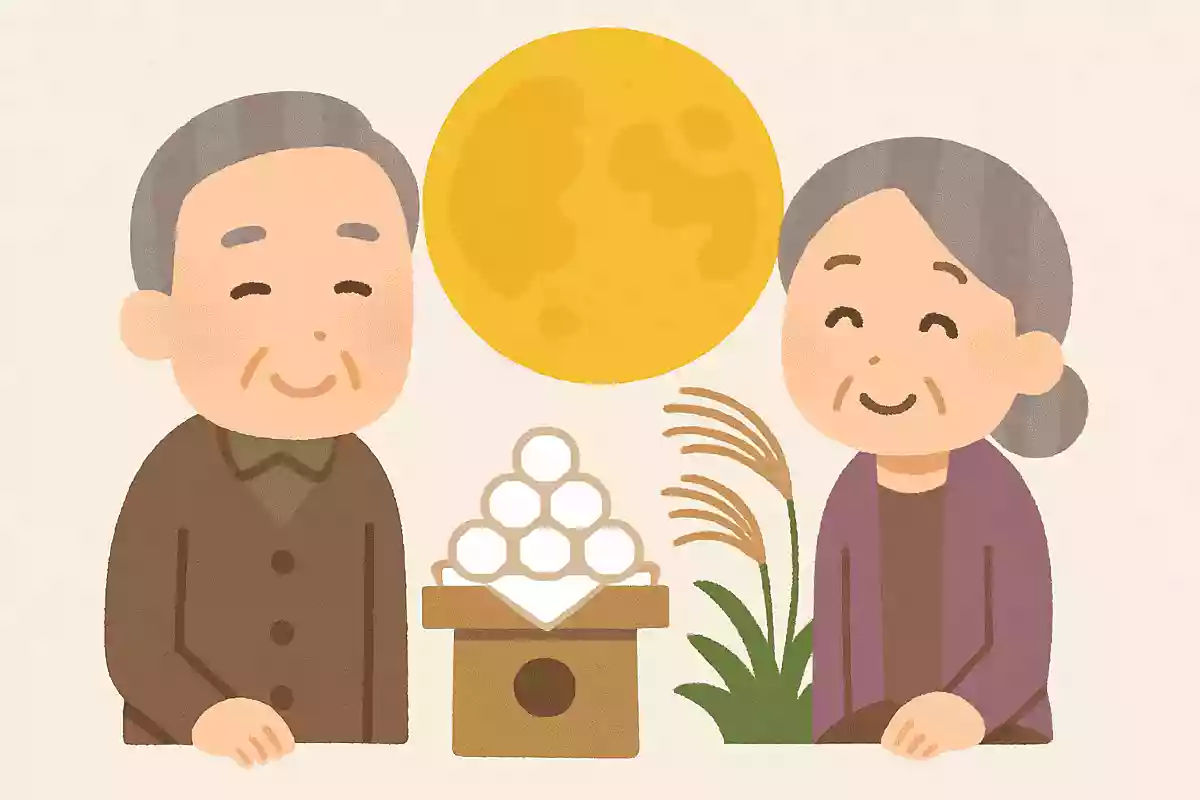
From which country was the custom of moon viewing (Otsukimi) introduced during the Heian period?
- China
- South Korea
- India
See the answer
China
Tsukimi is a traditional Japanese event where people celebrate the autumn harvest and togetherness while gazing at the beautiful moon, and it is said to have been introduced from China during the Heian period. The Mid-Autumn Festival of the Tang dynasty was brought to Japan and took root as a uniquely Japanese Tsukimi culture.

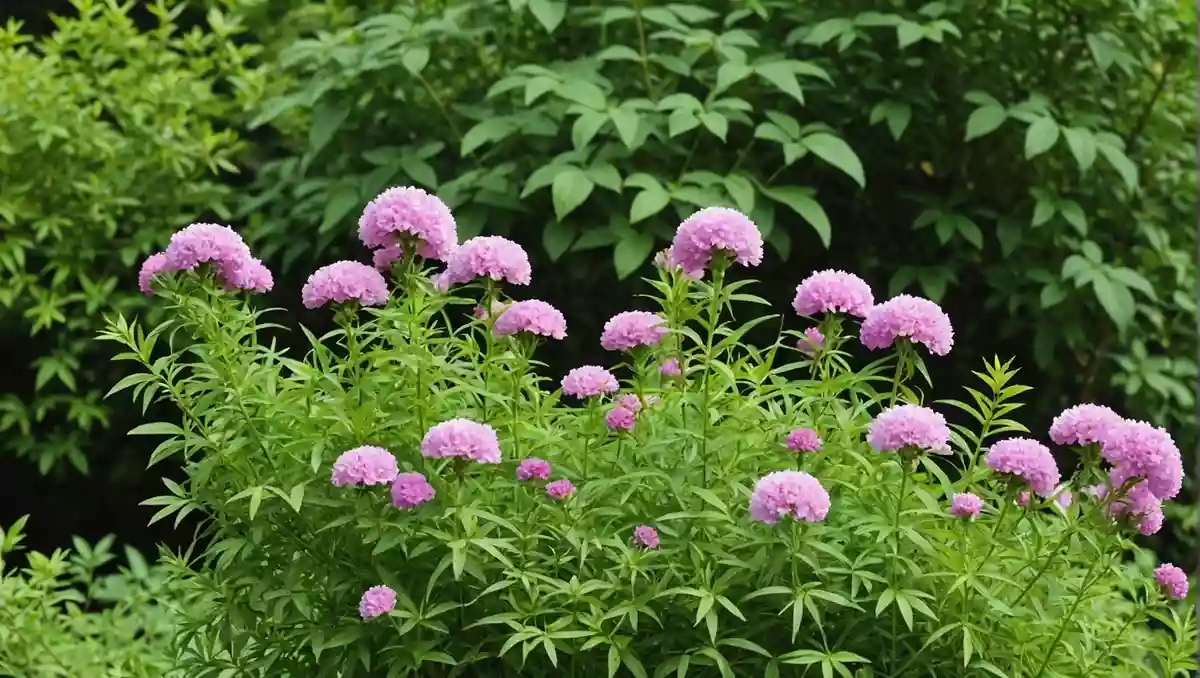
What is the remaining one of the Seven Flowers of Autumn besides bush clover, kudzu, pampas grass, fringed pink, patrinia, and thoroughwort?
- Balloon flower
- goldband lily
- Katakuri (dogtooth violet / Erythronium japonicum)
See the answer
Balloon flower
[For Seniors] Enjoy Brain Training with September Trivia Quizzes & Fun Facts (11–20)
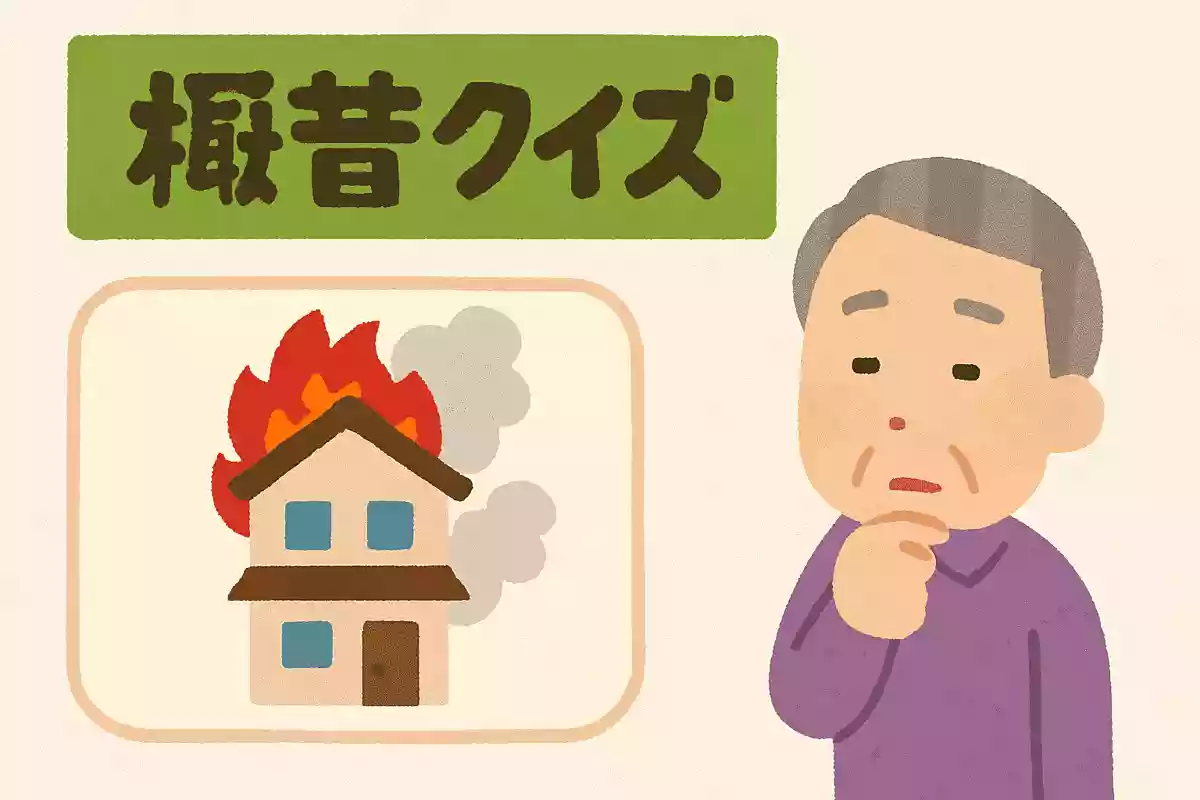
September 1 is Disaster Prevention Day every year, but what number should you call in case of a fire?
- 110 (emergency number)
- Number 118
- 119
See the answer
119
In case of a fire or medical emergency, call 119. 119 is the nationwide emergency number in Japan for fires and ambulances. By the way, the other options are: 110 for the police and 118 for the Japan Coast Guard. Disaster Prevention Day was established in response to the Great Kanto Earthquake that occurred in 1923.
Speaking of autumn, it’s the season for freshly harvested rice. What exactly does ‘newly harvested rice’ refer to?
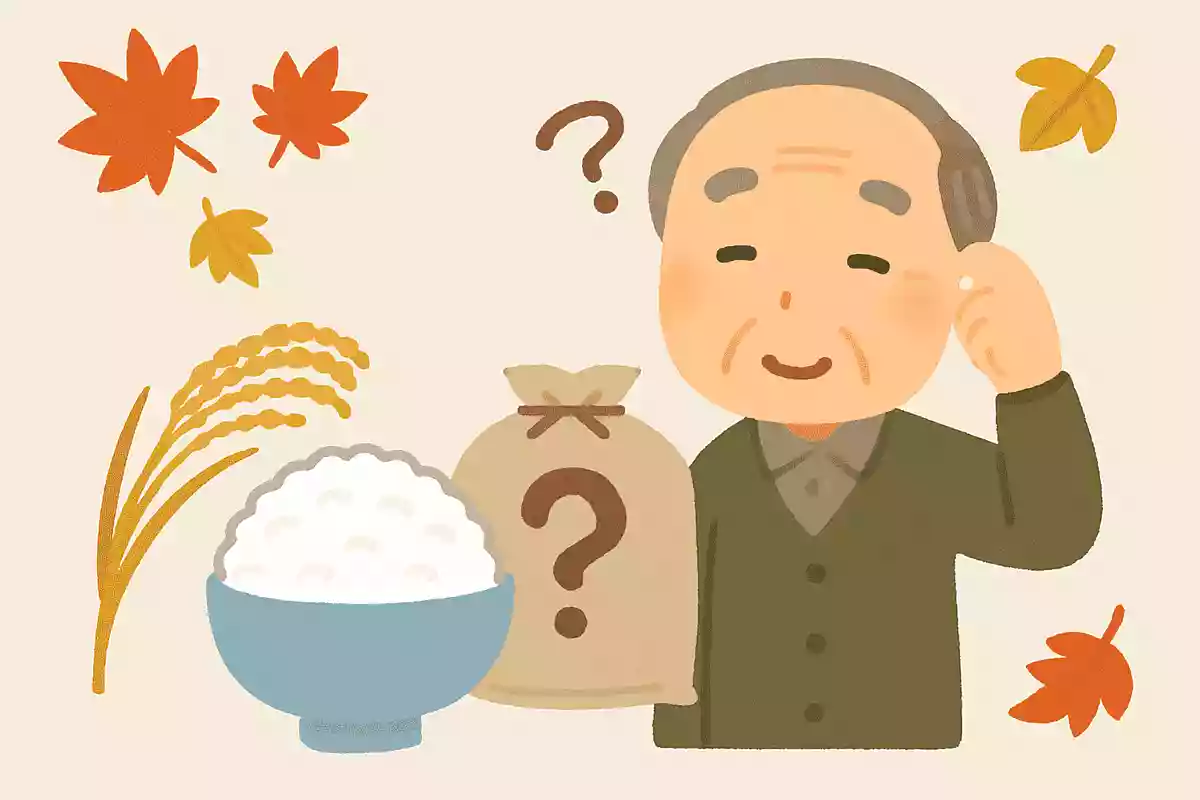
- rice harvested in the previous autumn
- Rice that was planted in the spring
- rice harvested that year
See the answer
rice harvested that year
“Shinmai” (new rice) refers to rice harvested in a given year that is milled and packaged by December 31 of that same year. From the following year, it is called “komai” (old rice). Because new rice is freshly harvested, it has higher moisture content and is characterized by a chewy texture and a distinctive aroma.
How many chestnuts are usually inside the spiky burr of a chestnut, a seasonal delicacy of autumn?
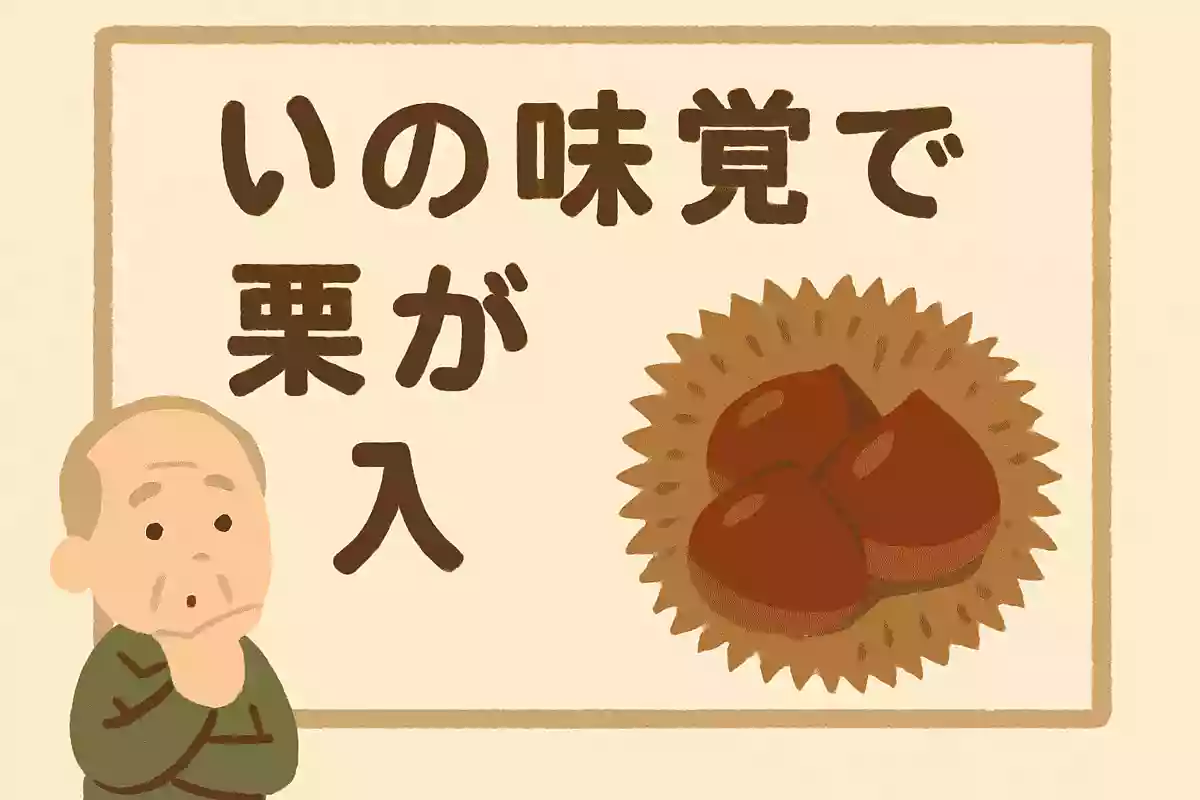
- 1 piece
- 2 pieces
- 3 pieces
See the answer
3 pieces
Inside a chestnut burr, there are usually three chestnuts. Through selective breeding, some varieties have only one large chestnut in a single burr, and when pollination doesn’t go well, there may be only two or even one. However, having three is the most common.
Cosmos is an autumn flower—how is it written in kanji?
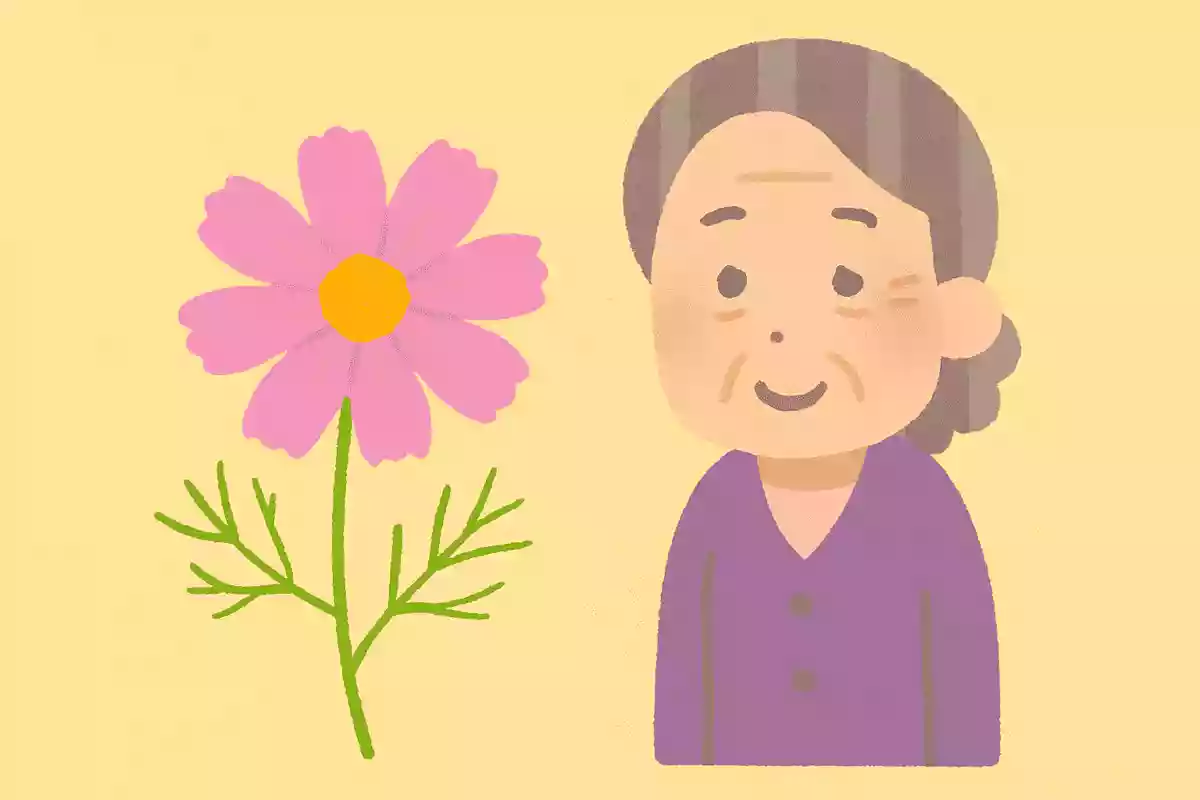
- cosmos (flower)
- autumn flowers
- Akiba
See the answer
cosmos (flower)
The kanji for cosmos is written as “秋桜” (literally, “autumn cherry blossoms”). This name came into use because they bloom in autumn and have petals that resemble cherry blossoms. Incidentally, September 14 is known as “Cosmos Day.” It falls six months after White Day on March 14 and is said to be a day when people give cosmos flowers to their partners to reaffirm their love.