

[For Seniors] Trivia Quiz and Fun Facts About Turtles – Complete Collection


A hard shell, round little eyes, slow movements.
With such endearing features, turtles have been quietly gaining popularity.
Yet despite their cute appearance, there are many little-known facts about them.
This time, we’ll introduce trivia about turtles in a quiz format.
It’s great as brain training for seniors and will help you discover surprising aspects of turtles.
These tidbits can also be handy conversation starters.
Please consider using this as a recreational activity in senior day-care centers and other eldercare facilities.
- [For Seniors] Trivia Quiz and Fun Facts About Turtles – Complete Collection
- [For Seniors] Multiple-Choice Quiz Collection About Living Creatures
- [For Seniors] Fun and Informative! Health Trivia Quiz
- How much do you know? Trivia quiz for seniors that’s full of surprisingly unknown facts
- [For Seniors] Fun and Informative Trivia Quiz Collection
- [For Seniors] Liven Things Up! Fun Fish Trivia Quiz
- [For Seniors] Trivia Quiz & Fun Facts for June
- [For Seniors] Sports Trivia Quiz & Fun Facts. Easy and Entertaining
- [For Seniors] Fun 3-Choice Animal Quiz! Introducing Questions Full of Surprises and Discoveries
- [For Seniors] Hina Matsuri (Girls’ Day) Trivia Quiz & Fun Facts. Recommended for Dementia Prevention Activities
- [For Seniors] Have Fun with Wordplay Characters! A Collection of Funny Puzzles
- For Seniors: Useful Trivia Questions! Introducing Fun Facts Quizzes You'll Want to Share
- [For Seniors] Fun and Informative! Trivia and Quizzes Introduced
[For Seniors] Turtle Trivia Quiz & Fun Facts Compilation (1–10)
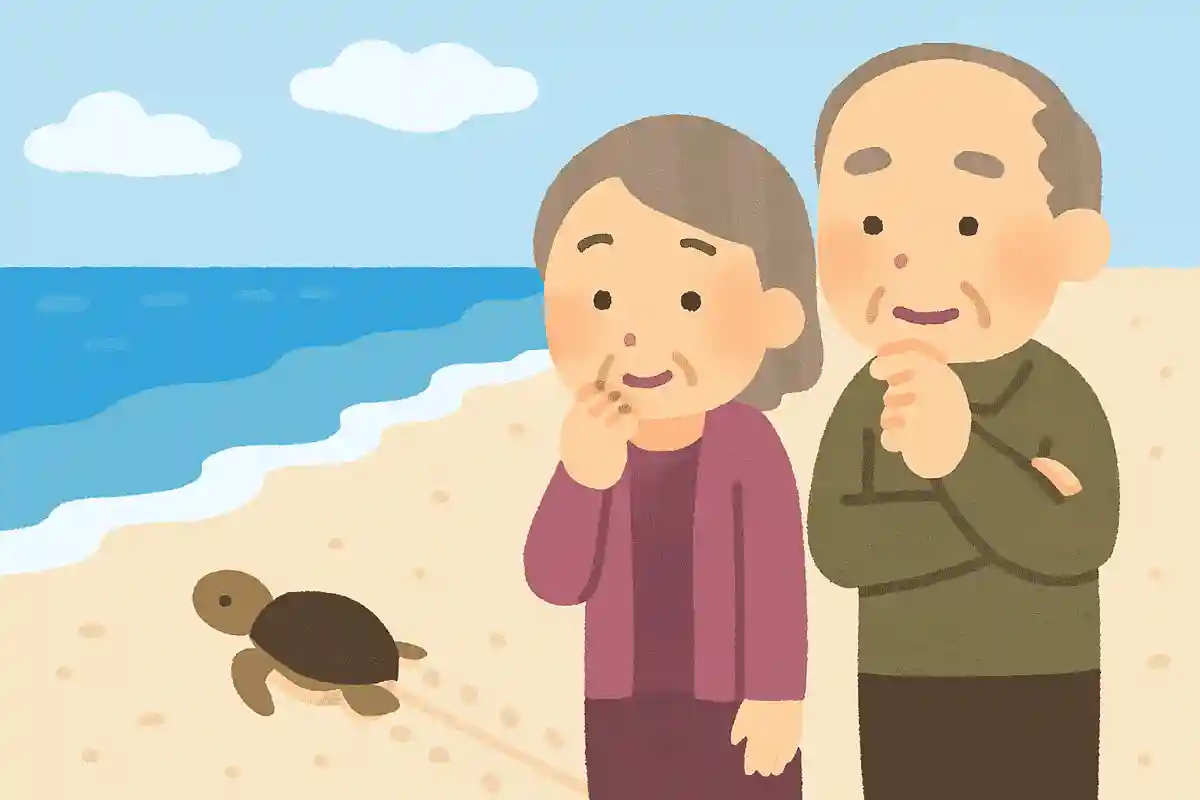
Baby sea turtles head for the ocean as soon as they hatch on the sandy beach. So, how do they know which way the sea is?
- Smelling the sea
- I’m listening to the sound of the waves.
- I’m relying on the brightness on the sea side, like the moonlight.
See the answer
I’m relying on the brightness on the sea side, like the moonlight.
Baby sea turtles determine the direction of the ocean by relying on differences in surrounding brightness. Instinctively, they head toward the brighter horizon over the sea. They are said to have the ability to sense ultraviolet light, allowing them to follow sunlight reflected off the ocean.

Sea turtles travel across vast oceans, but their nesting sites have distinctive patterns. Which of the following is correct?
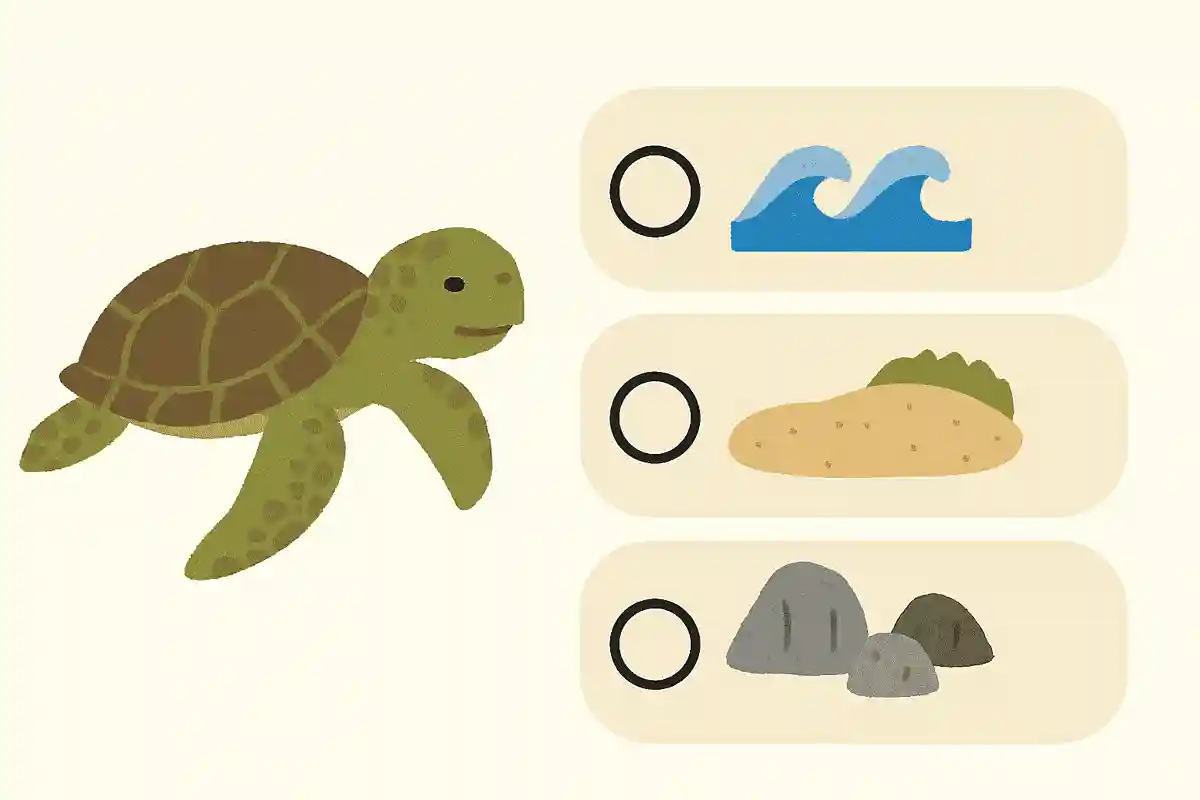
- Return to their designated hometown to lay eggs.
- Lay eggs anywhere
- They lay eggs in a different place every year.
See the answer
Return to their designated hometown to lay eggs.
When sea turtles reach their nesting season, they return to the beach where they were born and lay their eggs there. Many sea turtles travel thousands to tens of thousands of kilometers, yet they reportedly never forget their homeland. This is called natal philopatry (the instinct to return to one’s birthplace).
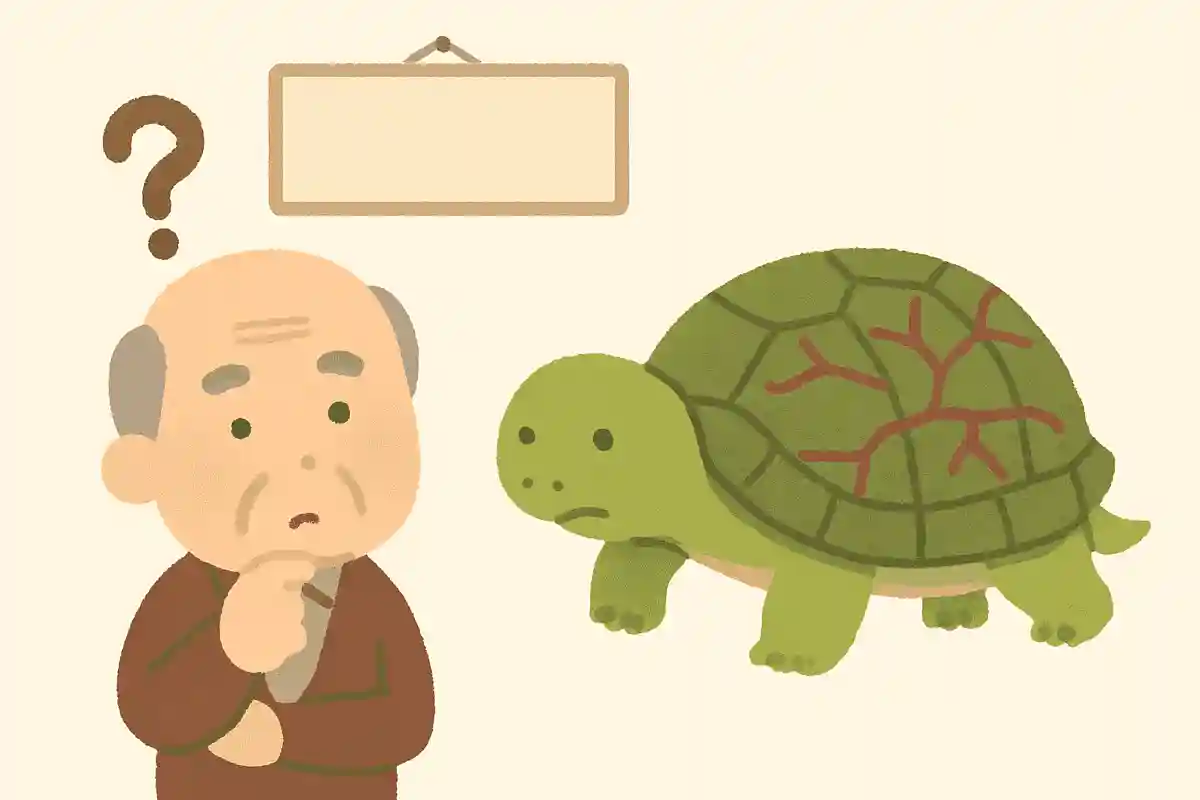
Does blood flow through a turtle’s shell?
- Yes, blood is flowing.
- No, it's not running.
- It depends on the shell.
See the answer
Yes, blood is flowing.
One of the turtle’s bodily features is its shell. This shell is a modified form of the spine and ribs, and it is connected to the body. Because of this, blood vessels run through the shell and blood flows within it. It’s said that if the shell is injured, it can bleed.
[For Seniors] Turtle Trivia Quiz & Fun Facts Collection (11–20)
How many teeth does a turtle have?
- 0 pieces
- 10 pieces
- 100 pieces
See the answer
0 pieces
Turtles actually don’t have teeth. It’s said that their ancestors did have teeth, but they have since disappeared.

How many years did the longest-living turtle in the world live?
- Year 115
- Year 225
- Year 345
See the answer
Year 225
The longest-living individual was a species called the Aldabra giant tortoise, said to have been born in 1750 and to have lived until March 2006.
A turtle’s shell is part of its body—what did it develop from through modification?

- spine
- pelvis
- shoulder
See the answer
spine
A turtle’s shell is a transformed version of what would be the spine in humans, and it contains nerves and blood vessels.
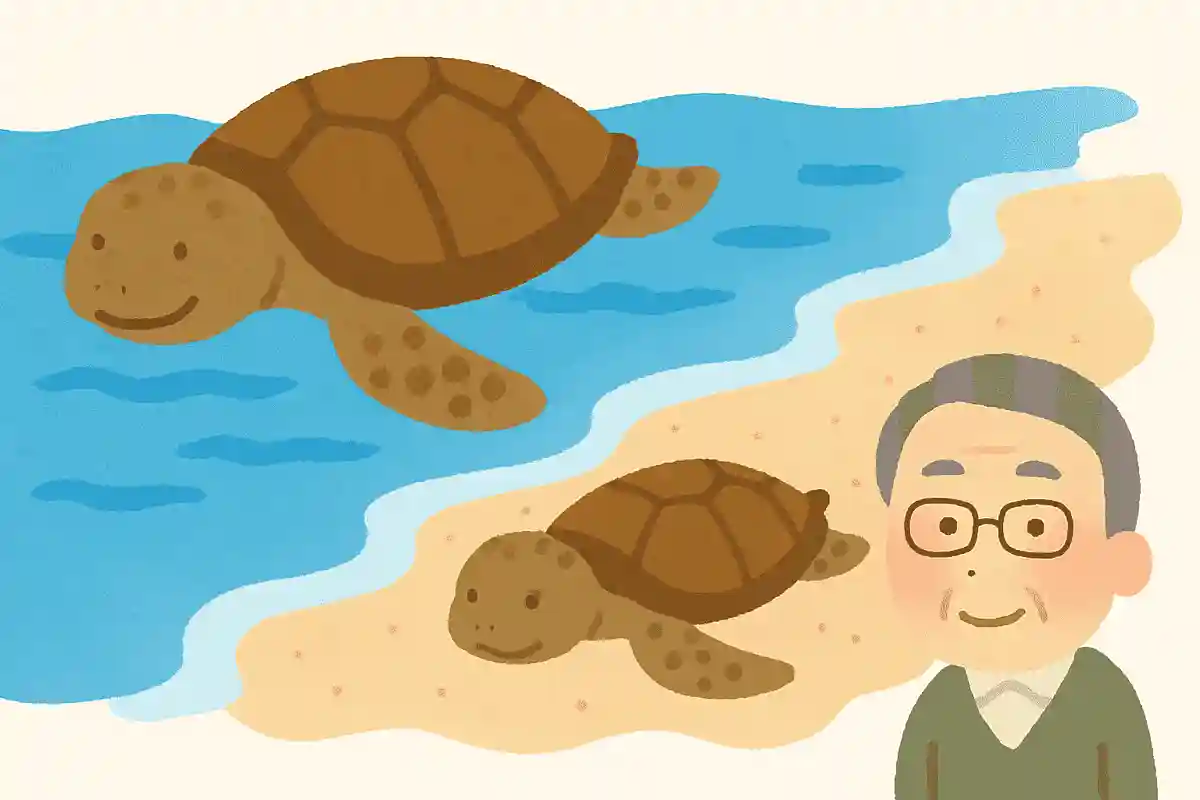
Female sea turtles move back and forth between the ocean and the beach, but do male sea turtles also spend time on the sand?
- Yes, they often come up onto the sandy beach.
- No, I never spend time on the beach.
- Only rises during spawning.
See the answer
No, I never spend time on the beach.
Male sea turtles spend their entire lives in the ocean once they hatch from their eggs and enter the sea. In contrast, female sea turtles come ashore to lay their eggs on sandy beaches.