

![[For Seniors] Winter songs you'll want to hum along to. A collection of classic tunes recommended for BGM and recreational activities](https://i.ytimg.com/vi_webp/QwpTURlXfiQ/maxresdefault.webp)


Winter songs have a mysterious power to gently warm the heart, don’t they? Spending time listening to and singing Showa-era pop songs and children’s songs is a special moment that brings back nostalgic memories.
Masterpieces that depict snowy landscapes and warm melodies that resonate precisely because it’s a cold season naturally make you want to hum along.
This time, we will introduce winter songs that are familiar and enjoyable for older adults.
Enjoy clapping along, sharing fond memories, and spending time connecting hearts through music.
- [For Seniors] Beloved songs to sing in December: heartwarming moments with nostalgic kayōkyoku and children’s songs
- [For Seniors] Winter Classics to Sing in January: Heartwarming Moments with Nostalgic Children’s Songs and Kayōkyoku (Japanese Popular Songs)
- [For Seniors] February Songs You’ll Want to Hum: Enjoy Winter with Nostalgic Classics
- [For Seniors] Popular Karaoke Songs That Everyone Can Enjoy Together
- [For Seniors] Classic Autumn Songs to Sing in November: From Children’s Songs to Popular Enka and Kayōkyoku
- Recommended Christmas songs for people in their 70s: A collection of classic winter hits from the Showa era
- Ranking of popular songs for senior citizens
- [For Seniors] Christmas Songs That Touch the Heart: A Collection of Popular Classics and Nursery Rhymes
- [For people in their 90s] Recommended Christmas songs: from nostalgic school songs and hymns to timeless classics
- [For Seniors] Crowd-Pleasers! A Collection of Classic Karaoke Songs
- Classic Christmas Songs That Resonate with the Hearts of Those in Their 80s
- [For Seniors] Let’s Have Fun Together! Introducing Uplifting, Energizing Songs
- [For Seniors] Recommended Songs for New Year’s Parties: Nursery Rhymes, Children’s Songs, and Popular Songs to Liven Up Even on Cold Days
[For Seniors] Winter Songs You'll Want to Hum: Recommended Classics for BGM and Recreation (1–10)
Realm of the StarsSakushi: Sugitani Daikai / Sakkyoku: Chaaruzu Konvâzu

A timeless classic that makes you want to gaze up at the winter night sky, “Hoshi no Yo.” It’s a Ministry of Education song included in the 1910 publication Kyōka Tōgō Chūgaku Shōka, Volume II.
The lyrics were written by Shigeya Sugiya, and it was set to the melody of the hymn “What a Friend We Have in Jesus,” composed by Charles Converse.
The lyrics, which highlight the brilliance of stars made all the more striking by a moonless, dark sky and send our thoughts out to the distant reaches of the universe, invite us into a mysterious world filled with romance.
For many, the gentle melody brings peace along with nostalgic memories of learning it at school.
Its familiar tune is also perfect for group sing-alongs during recreational time, so why not enjoy it on a winter night when the stars are especially clear, sharing stories as you sing?
Outside, it’s a night of white snow.yoshida takurou

Takuro Yoshida, a singer-songwriter who has led Japan’s folk scene and produced numerous hits.
Featured on his 1978 album Rolling 30 is “Soto wa Shiroi Yuki no Yoru” (“Outside, a Night of White Snow”).
The lyrics were written by Takashi Matsumoto, and the feelings of a couple parting are depicted like a dialogue drama.
There’s also a famous anecdote that Yoshida, upon seeing the lyrics in the recording studio, composed the music on the spot, improvisationally.
It’s a classic ballad whose lyrical melody soaks into the heart, conjuring up scenes of quietly falling, accumulating snow.
With its calm atmosphere, it’s perfect as background music for seniors to relax to.
Please enjoy together the warm vocals that make you forget the winter chill.
Goodbyeofukōsu
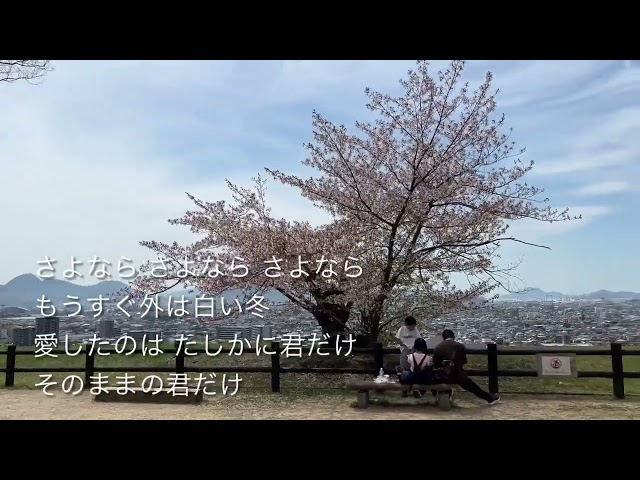
A classic ballad that intertwines the emotions of two people sensing a breakup with an atmosphere that evokes the coming of winter.
Known as a signature work by the popular band Off Course, it was released as a single in December 1979.
It reached No.
2 on the Oricon chart at the time, and was also used as the theme for the TBS drama “Gekiai: Sangatsu made no…” and in a Daihatsu commercial.
The sorrow of a love nearing its end is beautifully wrapped in Kazumasa Oda’s clear, translucent vocals.
Despite the sad lyrics, listening to it somehow calms the heart and brings a sense of peace, doesn’t it? It might be lovely to sip some warm tea and let conversation blossom with bittersweet memories of youth.
Boat SongYashiro Aki

When the winter cold grows sharper, you can’t help but want to spend some quietly reflective time in a warm room.
A song that truly seeps into the heart in such a season is Aki Yashiro’s classic “Funauta” (Boat Song).
Released as a single in May 1979, it paints an adult scene of quietly enjoying a drink at a tavern in a port town.
It’s also well known for being played in the 1981 film “Station,” and many older viewers likely still remember the poignant scene it accompanied.
Its wistful melody has a mysterious power that seems to warm you from the core, even when you’re chilled.
Gather together over some hot tea and reminisce about memories of the Kōhaku Uta Gassen from those days.
Bean-throwing (Mamemaki)

When Setsubun season comes around, the go-to song you hear from all corners is “Mamemaki.” With its lively rhythm, it depicts driving away demons and welcoming the god of fortune, and the part that mimics the sound of beans being tossed is so catchy you can’t help but hum along.
It’s said that the song first appeared in the winter volume of Ehon Shōka (Picture Book of Songs).
Sung by countless people over many years rather than tied to any particular singer, it’s truly a standard of the Japanese winter.
Clapping along to the beat or moving your body by pretending to scatter beans is also recommended.
If you sing it while reminiscing about Setsubun memories from childhood or with your family, both your heart and body are sure to feel warm.
My loverGorin Mayumi

A deeply moving ballad depicting a farewell in the season when dead leaves dance.
Released as a single by Mayumi Itsuwa in August 1980, it was initially slated for the B-side during production but became the title track due to high acclaim.
Inspired by the grief she witnessed among the bereaved at her mentor’s funeral, the song conveys a poignant sincerity that strikes the heart.
It won the Gold Prize at the Japan Record Awards and marked her first appearance on the 1980 NHK Kōhaku Uta Gassen.
Covered by many artists, including Hibari Misora, this work has been loved across borders.
Many older listeners can likely picture the scenes of that time from the intro alone.
Its beautiful melody and vocals gently soothe hearts drawn tight by the cold.
How about savoring it with a cup of tea, listening intently, and sharing memories together?
Come, springSakushi: Soma Gyofu / Sakkyoku: Hirota Ryutaro

When the severe cold lingers, we can’t help but long for the warm seasons, can we? Spring, Long-Awaited captures that yearning for spring through the image of an adorable child.
The lyricist, Gofu Soma, is said to have modeled the song on his own child, and you can just picture them eager to go outside in sandals with red thongs.
Though it’s a children’s song first published in a magazine in March 1923, it’s now loved across generations—used as the departure melody at Itoigawa Station in Niigata Prefecture and quoted in a song by Yumi Matsutoya.
It might spark nostalgic conversations about the sandals you wore as a child or the things you want to do once spring arrives.
How about humming it together to share a heartwarming moment for both body and soul?