

[2026] Roundup of Popular Japanese Female Singer-Songwriters

Singer-songwriters—artists who write lyrics and compose their own music—feel familiar to us, and many are active today.
In Japan, the term “singer-songwriter” is said to have taken hold in the 1970s, and it was also during this period that female singer-songwriters emerged who would go on to influence countless artists, not just their male counterparts.
In this article, we introduce female singer-songwriters who are indispensable to any discussion of Japanese music history.
Alongside legendary artists, we also feature Gen Z singer-songwriters, so if you love female singer-songwriters, this is a must-read!
- Recommended Japanese Female Artists and Popular Song Rankings for Women [2026]
- Top Female Singer-Songwriters and Popular Songs of the 2000s [2026]
- [J-Pop] A roundup of popular female singer-songwriters
- [2026] Japanese female artists. Trending singers & idols.
- Best/Loved Songs with Great Lyrics by Female Singer-Songwriters: Ranking [2026]
- [Japanese Female Artists] Recommended Songs for Guitar and Vocals [2026]
- Top 1980s Female Singer-Songwriters: Popular Songs Ranking [2026]
- Theme Songs, Insert Songs, and Popular Song Rankings by Female Singer-Songwriters [2026]
- Women's Popular Karaoke Rankings [2026]
- Ranking of Popular Songs by Female Singer-Songwriters of the 1990s [2026]
- Ones to Watch in 2026! Recent Japanese Female Singers: Recommended Artists Roundup
- Female Singer-Songwriter CM Songs, Commercials, and Popular Song Rankings [2026]
- [Healing & Cool] Female Vocalists with Captivating Husky Voices
[2026] Roundup of Popular Japanese Female Singer-Songwriters (21–30)
yellow flowerEri Takenaka

Released in 2007 as Eri Takenaka’s third major-label single.
It is the first chapter of her marriage-themed trilogy, a song she wrote for her best friend’s wedding.
It was used as the image song for Wedding GyaO and has also been featured in many wedding venue commercials.
SoupFujihara Sakura

Released as Sakura Fujiwara’s first single, it served as the theme song for the Fuji TV drama “Love Song.” She also appeared in the drama, making her debut as an actress.
Additionally, the track was produced by Masaharu Fukuyama, who starred in the series.
[2026] Roundup of Popular Japanese Female Singer-Songwriters (31–40)
Be…Ms. OOJA

It was released in 2012 as Ms.OOJA’s fifth single.
It was chosen as the theme song for the TBS drama “Love Neet: How to Start a Forgotten Love,” and an alternate arrangement, “Be…
duet with Kaoru Kurosawa,” was included as a bonus track on the best-of album released in 2016.
The color of loveHiguchi Ai
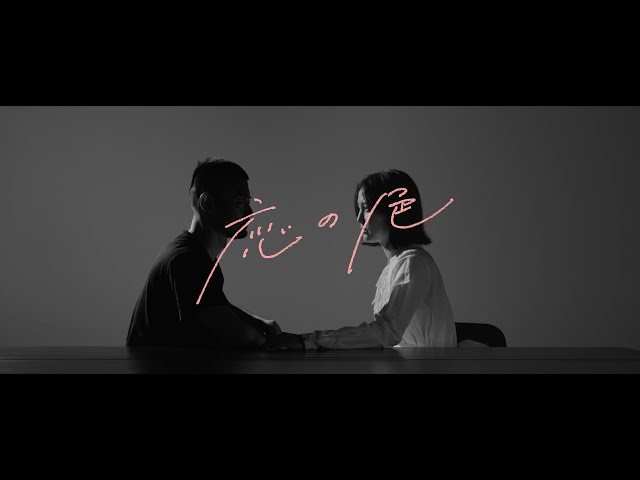
Ai Higuchi, who is active as a singer-songwriter, released this digital-only single in July 2023.
Over a simple backing track centered on piano and strings, she delivers a stunning vocal performance.
In particular, the sections sung in her powerful mid-to-high alto range let you fully savor the appeal of her voice.
If you listen with attention to how she closes phrases, her use of rests within the melody, and the effective placement of breath noises, you’ll truly appreciate her exceptional expressive singing technique.

Crybaby DugongYoshizawa Kayoko

This song is included on Kayoko Yoshizawa’s indie first mini-album “Majo Zukan” (Witch Encyclopedia).
In the music video, she wears a one-piece dress and is filmed underwater, creating a fantastical work.
The song is also included on her major-label first full album “Hokiboshi Zukan” (Broom Star Encyclopedia).
LET IT OUTFukuhara Miho

A single released in 2009.
Born in 1987.
Originally from Sapporo.
In her third year of junior high school, she sang a Mariah Carey song on a Hokkaido local TV program and quickly gained attention, which led to her debut.
Her remarkably wide vocal range—unusual for a Japanese singer—is one of her greatest strengths.
Friend’s PoemNakamura Ataru
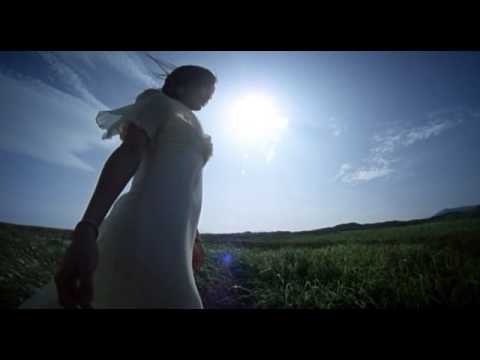
Included on the 2007 album “Ten Made Todoke.” Born in 1985, from Tokyo.
She is also active as an actress.
This song was written based on her experience of having an unrequited crush on a bandmate she played with when she was 15.
Her sultry yet wistful voice brings distant memories back to life, stirring a faint ache deep in the chest.