

[2026] Roundup of Popular Japanese Female Singer-Songwriters

Singer-songwriters—artists who write lyrics and compose their own music—feel familiar to us, and many are active today.
In Japan, the term “singer-songwriter” is said to have taken hold in the 1970s, and it was also during this period that female singer-songwriters emerged who would go on to influence countless artists, not just their male counterparts.
In this article, we introduce female singer-songwriters who are indispensable to any discussion of Japanese music history.
Alongside legendary artists, we also feature Gen Z singer-songwriters, so if you love female singer-songwriters, this is a must-read!
- Recommended Japanese Female Artists and Popular Song Rankings for Women [2026]
- Top Female Singer-Songwriters and Popular Songs of the 2000s [2026]
- [J-Pop] A roundup of popular female singer-songwriters
- [2026] Japanese female artists. Trending singers & idols.
- Best/Loved Songs with Great Lyrics by Female Singer-Songwriters: Ranking [2026]
- [Japanese Female Artists] Recommended Songs for Guitar and Vocals [2026]
- Top 1980s Female Singer-Songwriters: Popular Songs Ranking [2026]
- Theme Songs, Insert Songs, and Popular Song Rankings by Female Singer-Songwriters [2026]
- Women's Popular Karaoke Rankings [2026]
- Ranking of Popular Songs by Female Singer-Songwriters of the 1990s [2026]
- Ones to Watch in 2026! Recent Japanese Female Singers: Recommended Artists Roundup
- Female Singer-Songwriter CM Songs, Commercials, and Popular Song Rankings [2026]
- [Healing & Cool] Female Vocalists with Captivating Husky Voices
[2026] Roundup of Popular Japanese Female Singer-Songwriters (31–40)
voiceamano tsuki
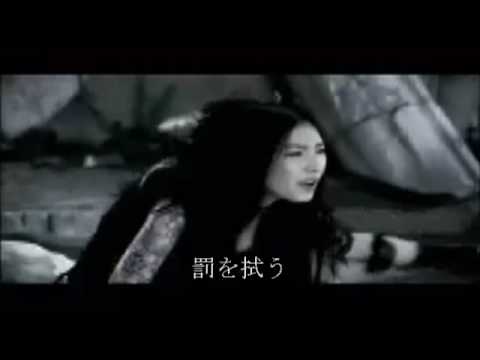
This is the 11th major single released under the name Tsukiko Amano.
It serves as the theme song for the PlayStation 2 game Fatal Frame III: The Tormented (Japanese title: Zero: Shisei no Koe).
The lyrics reflect the feelings of the game’s protagonist and fit the game’s worldview.
In 2009, she changed her stage name from Tsukiko Amano to Tsuki Amano.
Mind and BodyUeda Marie

It is included on Marie Ueda’s indie debut single “Kokoro/S/Sa.” This release consists of three discs, each a two-track single.
The song is used in the smartphone game app SHOW BY ROCK!!.
It’s a memorable track with lyrics that repeat the same words many times.
Look Back AgainYaita Hitomi

Included on the 2001 album “Candlize.” Her father loved karaoke, so she grew up in a home where music was always playing, which inspired her to pursue singing.
Her voice—sometimes slipping into falsetto—stands out over a mid-tempo rhythm with a subtly Asian flavor.
I’ll give you my heart.Kuroki Nagisa

It was released as Nagisa Kuroki’s first single.
Initially, it was sold only in the Kyushu region and at live venues, but it was later released nationwide.
The song is a love song themed around ultimate love.
Nagisa Kuroki originally performed as part of a mixed-gender rock band.
Poem of the Wandering Starssuis from Yorushika
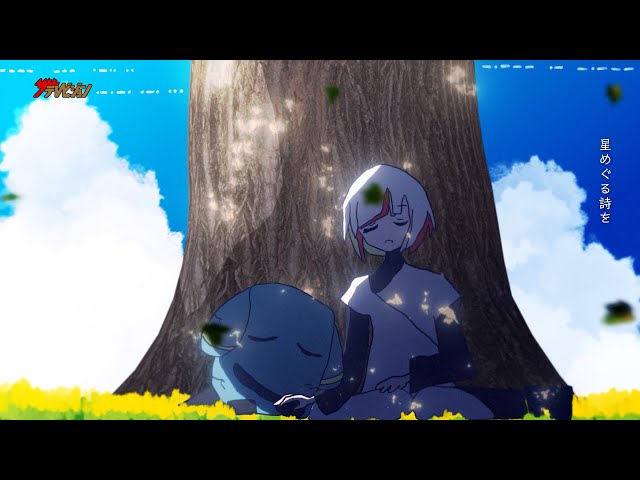
Suis moves many people’s hearts with her translucent singing voice and lyrics that weave complex emotions.
She debuted in 2017 as the vocalist of Yorushika and drew attention with hits like “Dakara Boku wa Ongaku wo Yameta” (That’s Why I Gave Up on Music).
She is also active with her solo project “suis from Yorushika,” engaging in a wide range of activities including collaborations with various artists and anime theme songs.
Her delicate expressiveness and melodious vocals are captivating, enchanting a large fanbase.
Her lyrics, which depict the subtleties of love and human relationships, are sure to resonate.
She is a highly watched female singer-songwriter, recommended for those seeking solace in a voice that truly speaks to the heart.
[2026] Summary of Popular Japanese Female Singer-Songwriters (41–50)
As long as there is love, everything will be okay.Hirose Kōmi

Included on the 1993 album “GOOD LUCK!” and used as the theme song for the film “Yamai wa Kikara: Byōin e Ikō 2.” Born in Fukuoka Prefecture.
Her real name is Asami Yonemitsu.
A proven talent who received elite musical training from the age of five, she is also known as the “Queen of Winter” due to her many winter hits.
A gentle feelingChara

Included on the 1997 album “Junior Sweet.” Born in 1968.
From Saitama Prefecture.
Her stage name comes from the fact that the sound of her name resembles “arabiki,” meaning coarsely ground sausage, leading people to call her Arabiki.
Her unique vocals ride over a somewhat dreamlike melody, creating an extremely soft and gentle atmosphere.