

Recommended anime songs for people in their 50s. Classic and popular anime theme songs.


Many of you probably still remember the theme songs from the anime you watched as children, even after becoming adults, right?
Even if you haven’t listened to them for decades, there are plenty of songs you can still hum along to today.
In this article, we’ll introduce a collection of nostalgic anime songs especially for those in their 50s!
We’ve gathered anime theme songs from the 1970s to the 1980s, so please take a look, and if you find something nostalgic, take your time and give it a good listen!
- [Nostalgic] A roundup of anime songs and theme songs that were hits in the 1980s
- Anime songs recommended for people in their 60s: from nostalgic classics to the latest hits
- Anime songs recommended for people in their 40s, from nostalgic classics to the latest hits.
- [2026] A collection of autumn songs for people in their 50s. Showa-era classics that bring back memories of those days
- [Showa Classics] A Collection of Nostalgic 70s Anime Songs
- [2026] Crowd-Pleasing Songs Recommended for People in Their 50s: A Collection of Nostalgic Classics
- Moving and iconic anime songs, popular tracks
- [Nostalgic Songs] A compilation of classic anime themes that hit home for those born in the Showa and Heisei eras
- [Classic Hits] Popular Anime Songs Representing the Showa Era. Also Introducing Recommended Anime Songs!
- Anime songs recommended for people in their 70s: nostalgic theme songs that let you feel the history of anime.
- [Nostalgic] Classic and Popular Anime Songs Recommended for People in Their 30s
- [Spring Songs Recommended for People in Their 40s] Relive Your Youth! A Selection of Nostalgic Tracks
- A Special Feature on Easy-to-Sing Anime Songs for Karaoke [100+ Songs]
Recommended Anime Songs for People in Their 50s: Classic and Popular Anime Tracks (71–80)
Fly! Grendizersasaki isao
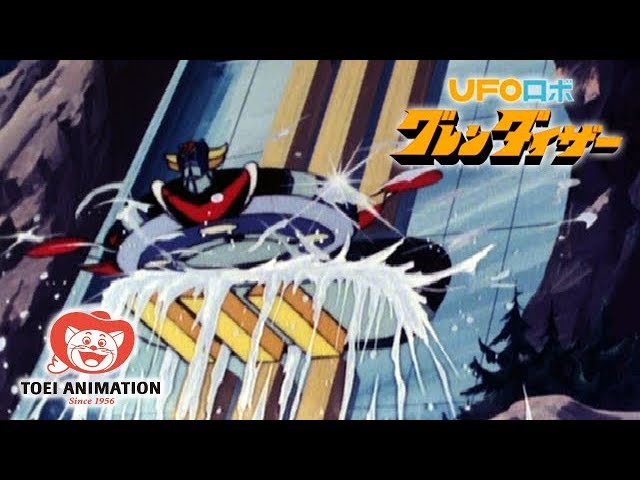
This is a heroic anthem characterized by a powerful melody and a message that resonates with the heart.
Depicting the exploits of a protagonist and a robot who protect the peace of Earth, the work’s gallant tone vividly expresses a deep appreciation for the planet’s beauty and the preciousness of peace.
Isao Sasaki’s passionate vocals convey courage and hope in the face of invaders from space.
Released in 1975, it was used as the opening theme for the TV anime UFO Robo Grendizer, which aired from that same year through 1977.
It was re-released in June 1998.
Highly recommended for those who want to thrill to the tale of a hero fighting for peace or draw energy from a fiery sense of justice.
Defeat Galactor!Koromubia Yurikago-kai

Set to a powerful, fast-paced melody, this work portrays the heroic exploits of the Science Ninja Team protecting the peace of Earth.
The clear voices of the Columbia Yurikago-kai further enhance the energetic feel of the piece.
Celebrating the brave figures who fight using the power of science and ninja techniques, the song brings dreams and hope to children.
Used as the ending theme for Science Ninja Team Gatchaman, which began airing in 1972, it captured the hearts of many viewers throughout its 105-episode run.
The lyrics were written by the Tatsunoko Production Literary Department, and the music was composed by Asei Kobayashi.
Evoking empathy for protagonists with a pure sense of justice, this is a perfect track for anyone seeking an inspiring anthem that resonates.
It’s recommended listening when you want to feel uplifted.
Nausicaä of the Valley of the WindYasuda Narumi

Narumi Yasuda, known as the wife of Noritake Kinashi, is also widely recognized as an actress.
However, she actually began performing as a singer shortly after her debut.
Her biggest hit song is this one: “Nausicaä of the Valley of the Wind.” Since it’s the theme song of the film, many people likely remember it well.
Because Yasuda is not primarily a singer, the vocal range is quite limited, and there aren’t any lines that require complex melodic rises and falls.
The chord progression is somewhat unusual, but aside from that there aren’t any particularly difficult points, so consider adding it to your repertoire.

Fight! Polymersasaki isao
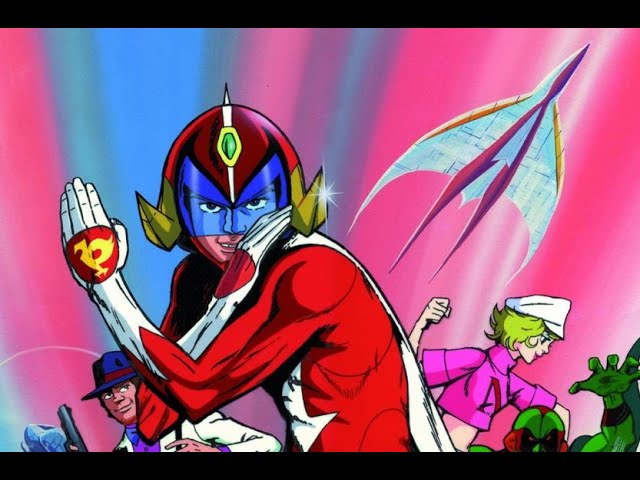
This is a powerful, up-tempo track brimming with the spirit of 1970s hero anime.
A forceful rock-style performance pairs with fiery vocals reminiscent of steel-like strength, brilliantly conveying the protagonist’s courage and power.
The tense developments and high-velocity rhythm further heighten the realism of battle scenes, making it a superb piece.
Released in October 1974 as a tie-in song for the third installment of Tatsunoko Production’s sci-fi action hero TV anime series, it was later used in a live-action film as well.
Showcasing Isao Sasaki’s overwhelming vocal prowess, this track is perfect for moments when you want to stoke your fighting spirit or boost your motivation.
Song of Hakushon Daimaoshimazaki yuri

Starting with adorable opening sound effects, the friendly lyrics vividly conjure the image of a great demon king emerging from a magic jar.
His character—honest, quick to tears, and full of human warmth—is wonderfully portrayed, making this a heartwarming piece that children and adults alike can enjoy.
Yuri Shimazaki’s bright, soaring vocals further enhance the comedic storytelling atmosphere.
Released by Nippon Columbia in October 1969, it gained popularity as the opening theme for a Fuji TV–broadcast anime airing at the same time.
It’s a perfect track for moments when everyone wants to have fun together—like family time on holidays or children’s events.
The Song of DevilmanJuda Keizō

The opening theme of a popular anime powerfully portrays a protagonist who, despite wielding demonic powers, fights for justice, brought to life by Keizo Toda’s husky vocals.
The chorus repeats the hero’s signature finishing moves, which became the envy of children and a hit on playgrounds.
With lyrics by Yū Aku and music by Go Misawa, the song was created as the opening theme for an anime that began airing in July 1972.
Re-released in September 2004, it has grown into a classic beloved across generations.
Its weighty orchestral sound and memorable melodic lines deliver stirring impact and exhilaration.
Highly recommended for fans of justice-driven heroes and those who want to revisit nostalgic Showa-era anime songs.
Let’s do it with a bang! The Way of BaseballChiba Yumi, Yangu Furesshu, Koorogi ’73

A heartwarming classic, brimming with humor and capturing the feelings of those devoted to baseball, was born in September 1977.
The lively back-and-forth by Yumi Chiba, Young Fresh, and Korogi ’73 creates a bright, powerful harmony that brilliantly conveys a burning passion for the sport.
Broadcast as the opening theme for the anime “Ippatsu Kanta-kun,” it was also included on the album “Tatsunoko Pro Daizenshū” in October of the same year.
The protagonist—struggling with the gap between ideals and reality yet refusing to give up on his dreams—leaves a lasting impression.
It’s recommended not only for baseball enthusiasts but also as a motivational song that gently encourages anyone striving toward their goals.