

Recommended anime songs for people in their 50s. Classic and popular anime theme songs.


Many of you probably still remember the theme songs from the anime you watched as children, even after becoming adults, right?
Even if you haven’t listened to them for decades, there are plenty of songs you can still hum along to today.
In this article, we’ll introduce a collection of nostalgic anime songs especially for those in their 50s!
We’ve gathered anime theme songs from the 1970s to the 1980s, so please take a look, and if you find something nostalgic, take your time and give it a good listen!
- [Nostalgic] A roundup of anime songs and theme songs that were hits in the 1980s
- Anime songs recommended for people in their 60s: from nostalgic classics to the latest hits
- Anime songs recommended for people in their 40s, from nostalgic classics to the latest hits.
- [2026] A collection of autumn songs for people in their 50s. Showa-era classics that bring back memories of those days
- [Showa Classics] A Collection of Nostalgic 70s Anime Songs
- [2026] Crowd-Pleasing Songs Recommended for People in Their 50s: A Collection of Nostalgic Classics
- Moving and iconic anime songs, popular tracks
- [Nostalgic Songs] A compilation of classic anime themes that hit home for those born in the Showa and Heisei eras
- [Classic Hits] Popular Anime Songs Representing the Showa Era. Also Introducing Recommended Anime Songs!
- Anime songs recommended for people in their 70s: nostalgic theme songs that let you feel the history of anime.
- [Nostalgic] Classic and Popular Anime Songs Recommended for People in Their 30s
- [Spring Songs Recommended for People in Their 40s] Relive Your Youth! A Selection of Nostalgic Tracks
- A Special Feature on Easy-to-Sing Anime Songs for Karaoke [100+ Songs]
Recommended anime songs for people in their 50s: Classic and popular anime tracks (31–40)
Gutsy FrogIshikawa Susumu, Arakawa Shounen Shoujo Gasshoutai

There are probably people who can tell what song it is just from the opening “byo~n.” It’s the theme song of the gag anime The Gutsy Frog, which features the slapstick antics of Pyonkichi, a frog that somehow got stuck to a shirt, and Hiroshi, the owner of the shirt.
If you’re talking about nostalgic anime songs, this is the one! It has that bright, classic Showa-era feel.
Even listening now, it somehow gets you excited! It’s one of those famous tunes you find yourself learning without noticing and humming at random moments.

Obake no Q-TaroHori Ayako / Nyū Roiyaru
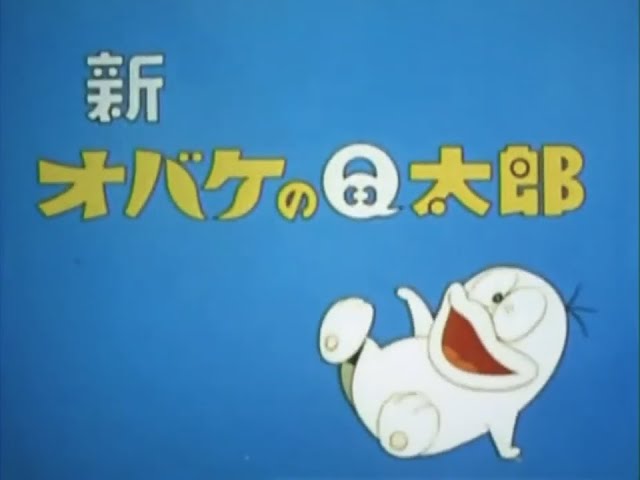
The theme song of New Obake no Q-Taro, which aired on the Nippon TV network from 1971 to 1972.
It features a funky sound, with composition and arrangement by Naosumi Yamamoto.
The lead vocals were performed by Ayako Hori herself, who played Q-Taro, and its standout charm lies in her delightfully bubbly delivery.
It’s a classic that has been covered many times since.
Wacky RacesKēshī Asanuma

The theme song for the American animated series Wacky Races, which aired in 1970.
When it was broadcast in Japan as a dubbed version, a Japanese TV network created its own original theme.
It’s a kitschy song featuring Casey Asanuma’s wild vocals and, for some reason, bursts of enka style.
The direction where children’s voices express the inner thoughts of Dick Dastardly is also quite peculiar.
Song of Sally the WitchSuri Gureisesu, Sonoda Ken’ichi to Dekishī Kingusu
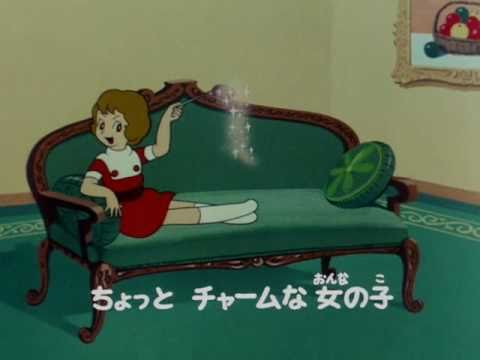
The theme song of Sally the Witch, the pioneering girls’ TV anime that aired in 1966 and is based on a work by Mitsuteru Yokoyama.
Its light, Dixieland jazz-style sound is performed by the Dixieland Kings led by trombonist Kenichi Sonoda.
The tight harmonies are provided by the Three Graces, a female vocal trio who achieved a million-seller with Yama no Rosaria (Rosalia of the Mountain).
Babel IIMizuki Ichirō

A powerful, valiant hero song of justice! This work depicts a young psychic boy living in the desert’s Tower of Babel and his three servants as they fight to protect peace on Earth.
Sung with heartfelt passion by Ichiro Mizuki and the Columbia Yurikago-kai as the opening theme for the television anime of the same name, which aired from January to September 1973.
The striking lyrics by the pen name “Toei Ni” pair perfectly with Shunsuke Kikuchi’s exhilarating, fast-paced melody.
Proclaiming hope for the future and the bonds of comrades, this piece continues to be loved as a fiery cheer song that resonates with both children and adults.
Recommended anime songs for people in their 50s: classic and popular anime tracks (41–50)
Now the Earth awakensNaosumi Kamata, Yuko Yamaji

The theme song of the TV anime Future Boy Conan, which aired on NHK in 1978.
It is also known as Hayao Miyazaki’s directorial debut.
The soaring vocals of Naosumi Kamata and the clear, pure voice of Yuko Yamaji create a gentle, positive tone that evokes a sense of the future.
Tom and JerryUmeki Mari, Fō Koinzu

The theme song for the popular American cartoon Tom and Jerry.
It was created specifically for broadcasts in Japan, with lyrics and composition by Toriro Miki, who was a master of commercial jingles at the time.
Lead vocalist Mari Umeki sings with rich expression.
Its jazzy musical style and subtly philosophical lyrics are part of its charm.