

Recommended anime songs for people in their 50s. Classic and popular anime theme songs.


Many of you probably still remember the theme songs from the anime you watched as children, even after becoming adults, right?
Even if you haven’t listened to them for decades, there are plenty of songs you can still hum along to today.
In this article, we’ll introduce a collection of nostalgic anime songs especially for those in their 50s!
We’ve gathered anime theme songs from the 1970s to the 1980s, so please take a look, and if you find something nostalgic, take your time and give it a good listen!
- [Nostalgic] A roundup of anime songs and theme songs that were hits in the 1980s
- Anime songs recommended for people in their 60s: from nostalgic classics to the latest hits
- Anime songs recommended for people in their 40s, from nostalgic classics to the latest hits.
- [2026] A collection of autumn songs for people in their 50s. Showa-era classics that bring back memories of those days
- [Showa Classics] A Collection of Nostalgic 70s Anime Songs
- [2026] Crowd-Pleasing Songs Recommended for People in Their 50s: A Collection of Nostalgic Classics
- Moving and iconic anime songs, popular tracks
- [Nostalgic Songs] A compilation of classic anime themes that hit home for those born in the Showa and Heisei eras
- [Classic Hits] Popular Anime Songs Representing the Showa Era. Also Introducing Recommended Anime Songs!
- Anime songs recommended for people in their 70s: nostalgic theme songs that let you feel the history of anime.
- [Nostalgic] Classic and Popular Anime Songs Recommended for People in Their 30s
- [Spring Songs Recommended for People in Their 40s] Relive Your Youth! A Selection of Nostalgic Tracks
- A Special Feature on Easy-to-Sing Anime Songs for Karaoke [100+ Songs]
Recommended anime songs for people in their 50s: classic and popular anime tracks (41–50)
Sorrowful WarriorInoue Daisuke
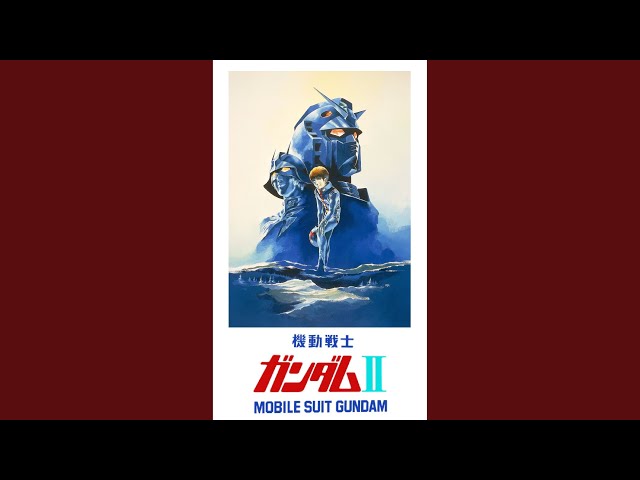
Daisuke Inoue, a musician who also thrived as the lead vocalist of Jackie Yoshikawa and The Blue Comets, sadly passed away in 2000.
“Ai Senshi,” chosen as the theme song for the animated film Mobile Suit Gundam II: Soldiers of Sorrow, is memorable for its opening, which begins with a soulful vocal over a sprightly piano.
For those familiar with the film, just hearing it is enough to make your heart swell.
While its melody is challenging to sing at karaoke, it’s an undeniable upper tune that’s sure to hype up the crowd if you can pull it off.

Go, Go, Hyūma!Ansanhburu Bokka

The theme song of the anime “Star of the Giants,” based on an original story by Ikki Kajiwara and illustrated by Noboru Kawasaki.
Its appeal lies in a powerful, march-like melody.
The same song is used for both the opening and ending.
The “Hyūma” in the title refers to the protagonist, Hyūma Hoshi, from Star of the Giants.
The performing group, Ensemble Bocca, was a vocal group whose main repertoire consisted of locally commissioned theme songs.
Song of Time BokanYamamoto Masayuki, Sakamoto Jidō Gasshōdan

The theme song of Time Bokan, the first series in Tatsunoko Production’s gag anime that aired from 1975 to 1976.
Masayuki Yamamoto, who wrote both the lyrics and music, performs the lead vocals himself.
Its rock ’n’ roll-style sound mixed with deadpan singing creates a unique world and is packed with Yamamoto’s signature flair.
Blue waterMorikawa Miho

This is a masterpiece whose crystal-clear, refreshing melody and hope-filled lyrics resonate deeply.
It beautifully expresses a profound bond with a loved one, the courage to keep moving forward, and the excitement for a future brimming with limitless possibilities.
Miho Morikawa’s powerful, expansive vocals further enhance the song’s appeal.
Released in April 1990, it was selected as the opening theme for the NHK anime “Nadia: The Secret of Blue Water,” becoming a popular hit that stayed on the Oricon charts for 11 consecutive weeks.
Also included on the albums “VOICES” and “GOLDEN☆BEST Miho Morikawa,” this song is perfect for adding color to everyday life or giving yourself a boost when you need it.
Lover of Möbiusushirogami hikaretai

A lyrical love song that layers an endlessly continuing romance over a Möbius strip.
Though it’s an idol song that sings of eternal love, Yasushi Akimoto’s lyrics, infused with philosophical notions like déjà vu and past lives, harmonize beautifully with Tsugutoshi Gotō’s graceful melody.
Ushirogami Hikaretai released the song in November 1987, and it reached No.
4 on the Oricon charts.
It was also included on the album “BAB” and became well-loved as the ending theme for the Fuji TV anime “Tsuideni Tonchinkan.” It’s a recommended track for twilight dates or when you want to sink into memories of first love.
Savor this gem of a pop tune—brimming with the bittersweet ache of youth—in a moment of quiet.
Make way for Lord Kunimatsu!Yamamoto Kiyoko

The theme song of the anime “Kunikatsu-sama no Otooridai,” based on Tetsuya Chiba’s original work and broadcast in the early 1970s.
Its march-like sound, which begins with festival-style flute music, and Kiyoko Yamamoto’s tomboyish vocal delivery are both comical.
Dororon Enma-kunNakayama Chinatsu

The theme song of the TV anime Dororon Enma-kun, based on the original work by Go Nagai and Dynamic Pro, which aired on the Fuji TV network from 1973 to 1974.
The music was composed by Asei Kobayashi, and the vocals are by Chinatsu Nakayama, who also wrote the lyrics.
Her intimate, conversational singing, together with the highly overtone-processed chorus and sitar-like timbres, evokes a spooky world of yokai.