

Recommended breakup songs for women in their 50s: classic and popular Japanese tracks

Breakup songs are classics!
There actually aren’t many that are truly sad!
They’re lyrical, heartrending, and captivating!
So, this time we’ve gathered breakup songs we recommend for women in their 50s!
Be sure to check them out!
Listen while reflecting on your past memories.
- Favorite Songs for Women in Their 50s: A Curated Selection of Sweet and Bittersweet Love Ballads!
- Recommended heartbreak songs for women in their 40s: classic and popular Japanese hits
- Tear-jerking songs recommended for women in their 50s: classic and popular Japanese hits
- A Tearful Farewell Song: A Love Song About Parting with Someone You Love
- Coming-of-age songs for your 50s: heart-thumping × heartwarming classics and popular tracks [2026]
- [Unrequited Love] Heart-wrenching Love Songs | A Roundup of Tear-Inducing Crush and Breakup Tracks
- [Tear-Jerking Breakup Songs] A curated selection of love songs that gently comfort a wounded heart!
- [Shōwa-Era Heartbreak Songs] Carefully selected timeless love classics adored across generations!
- A heartbreak song that resonates in the chest of a man in his 60s: memories of youth woven by classic Showa-era masterpieces
- [2026] Recommended for Men in Their 40s! A Collection of Classic Japanese Breakup Songs
- Tear-jerking songs recommended for men in their 60s: classic and popular Japanese hits
- Unrequited love songs recommended for women in their 40s: classic and popular Japanese tracks
- [2026] A collection of autumn songs for people in their 50s. Showa-era classics that bring back memories of those days
Recommended breakup songs for women in their 50s: Classic and popular Japanese songs (1–10)
I’m sorryTakahashi Mariko
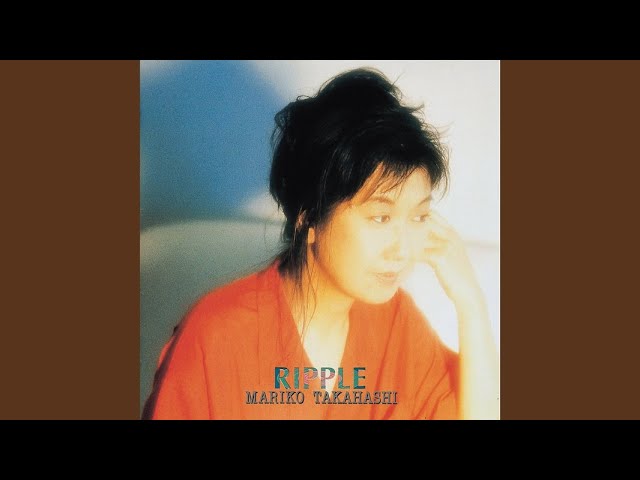
A song depicting a heartrending farewell and lingering regret, released in May 1996 by Mariko Takahashi as the theme for Tuesday Suspense Theater.
With a clear, translucent voice, it poignantly conveys the feelings of a woman who has hurt someone precious and committed an irreparable mistake.
The portrayal of regret over romantic missteps, the plea for forgiveness, and the earnest love for someone dear is deeply moving.
It is a piece that offers profound empathy to those struggling with relationships or who have experienced a painful parting.
A masterpiece that everyone who has known heartbreak or separation should hear.
See ya.Naoko Ken

Naoko Ken is a multi-talented entertainer active in comedy and as an MC, but she also released a great many songs in the 1970s as a singer.
It seems that Miyuki Nakajima’s songs particularly suited Naoko’s voice and singing style, and Abayo became her biggest hit, earning her the Vocalist Award at the 18th Japan Record Awards.
The song gently portrays a woman’s feelings as she puts on a brave face and suppresses her breaking heart—out of pride as a woman—in order to forget a miserable, painful heartbreak.
Thanks.DREAMS COME TRUE

“Thank You.” is a single released in 1995 by DREAMS COME TRUE, one of Japan’s most popular bands.
The protagonist is a woman who has just told her boyfriend “goodbye” herself.
And then there’s a friend (gender unspecified) who, without interrogating her about it, simply comes along to set off fireworks together in a winter park.
The song conjures an image of the two, in the dim winter light, coughing on the smoke with tearful eyes as they light fireworks.
Recommended heartbreak songs for women in their 50s: Classic and popular Japanese tracks (11–20)
MPRINCESS PRINCESS

Speaking of Puri Puri, it was the bubble-era peak when their song Diamond sold like crazy.
Karaoke spots—fun places to relax—were popping up, and at drinking parties everyone would always sing at karaoke; the song that really got things going was this one.
But M is a breakup song written by member Kyoko Tomita, because the other person’s initial was M.
The line “I always wanted to be together” really tugs at the heart.
What was striking about Princess Princess is that they all had beautiful faces—they were truly a visual girls’ band.
ShipwreckNakamori Akina

This is the famous song that Tokiko Kato told Akina Nakamori she wanted her to sing, saying, “I’m going to stop singing for a while, so I want you to sing it.” She said this because she was captivated by the song’s atmosphere and Akina’s vocal prowess.
In subsequent interviews, she praised Akina while also commenting that she hoped Akina would devote herself even more to voice training.
It’s a sorrowful breakup song that fills you with sadness the more you listen.
Christmas EveYamashita Tatsuro

Although its season is limited, it entered the Oricon Top 100 for 30 consecutive years from 1983 to 2015 and was even recognized by Guinness World Records—a heartbreak song beloved by the nation.
It’s a song that always appears in commercials at Christmas, and its poignant, sorrowful story of a man waiting on Christmas Eve for a girlfriend who never comes feels all the more real thanks to Mr.
Yamashita’s wonderful voice.
Sly womanSha ran Q

At first, when I saw Tsunku, my only impression was something like, “Wow, flashy.” But when I heard this song, I felt his sense of style.
The intro has such an unforgettable impact, and I was oddly impressed by how a heartbreak song could be sung like this.
Later, Golden Bomber’s “Memeshikute” became a hit, and from a male perspective, its lingering attachment to the woman might be somewhat similar.