

Recommended breakup songs for women in their 50s: classic and popular Japanese tracks

Breakup songs are classics!
There actually aren’t many that are truly sad!
They’re lyrical, heartrending, and captivating!
So, this time we’ve gathered breakup songs we recommend for women in their 50s!
Be sure to check them out!
Listen while reflecting on your past memories.
- Favorite Songs for Women in Their 50s: A Curated Selection of Sweet and Bittersweet Love Ballads!
- Recommended heartbreak songs for women in their 40s: classic and popular Japanese hits
- Tear-jerking songs recommended for women in their 50s: classic and popular Japanese hits
- A Tearful Farewell Song: A Love Song About Parting with Someone You Love
- Coming-of-age songs for your 50s: heart-thumping × heartwarming classics and popular tracks [2026]
- [Unrequited Love] Heart-wrenching Love Songs | A Roundup of Tear-Inducing Crush and Breakup Tracks
- [Tear-Jerking Breakup Songs] A curated selection of love songs that gently comfort a wounded heart!
- [Shōwa-Era Heartbreak Songs] Carefully selected timeless love classics adored across generations!
- A heartbreak song that resonates in the chest of a man in his 60s: memories of youth woven by classic Showa-era masterpieces
- [2026] Recommended for Men in Their 40s! A Collection of Classic Japanese Breakup Songs
- Tear-jerking songs recommended for men in their 60s: classic and popular Japanese hits
- Unrequited love songs recommended for women in their 40s: classic and popular Japanese tracks
- [2026] A collection of autumn songs for people in their 50s. Showa-era classics that bring back memories of those days
Recommended heartbreak songs for women in their 50s: Classic and popular Japanese tracks (21–30)
Rainy BlueTokunaga Hideaki

The debut song by Hideaki Tokunaga, a poignant love story that begins in a late-night phone booth.
Its lyrics—quintessentially Showa—paint cinematic scenes of urban stillness and rain, perfectly intertwined with delicate, emotionally rich vocals to create a gem of a track.
Released in January 1986, it reached No.
90 on the Oricon charts.
A rearranged version released in November 1997 rose to No.
31, capturing the hearts of many.
By portraying heartbreak and loneliness as universal themes, it remains a beloved classic that resonates even today.
It’s the kind of bittersweet love song you’ll want to play on a rainy day—why not give it a listen?
freezing rainHino Mika

While listening to J-POP and New Music, there used to be many popular music shows like The Best Ten and Nippon TV’s Kōhaku Uta no Best Ten.
I’d listen to my favorite songs, and it felt like I was also listening to enka.
Among them, the song that stuck with me is this one.
Whether you’re a man or a woman, when you go through a heartbreak, you want to drink and forget—and the opening line, “Please let me drink,” really conveys that sadness.
Recommended heartbreak songs for women in their 50s: Classic and popular J-Pop tracks (31–40)
I can’t stop this sadnessAnri
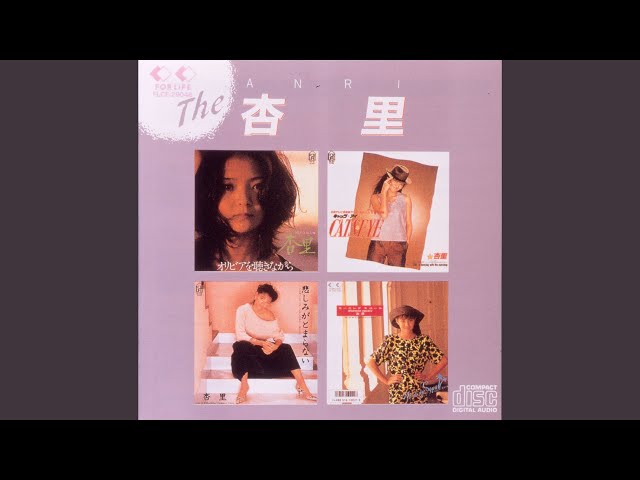
A gem of a love song by Anri that conveys the poignant emotions of a woman whose boyfriend has been taken by her best friend, expressed through an urbane melody and sophisticated arrangement.
With her warm vocal timbre and graceful singing, your heart aches for the heroine who loses both her lover and her friend at once.
Released in November 1983, the song was issued as an advance single from the album “Timely!!” and reached No.
4 on the Oricon weekly chart.
Bolstered by its tie-in with a Shiseido commercial, it generated a huge response.
It’s a song that stays close to your heart when you want to heal the pain of a breakup—something everyone experiences at least once—while reflecting the complicated feelings stirred by the evolving relationship between friend and lover.
Alone in the twilightMatsutōya Yumi

Yumi Matsutoya is a leading Japanese singer-songwriter who has been active for many years.
For women in their 50s, she might be the perfect artist.
She has many classic songs, but the one I especially recommend is “Hitori in the Twilight.” It features a vocal line that showcases her signature Yuming style, yet the melody doesn’t jump drastically up and down, so it’s relatively easy to keep pitch.
The chorus raises the voltage all at once, but the overall range isn’t that wide, so if you choose the right key, even those with lower voices should be able to sing it without difficulty.

I Want to See You ~Missing You~Matsuda Seiko

A gemlike love ballad that sings of the pain of heartbreak everyone experiences at least once and the longing for a reunion.
The tender, heartrending lyrics penned by Seiko Matsuda herself are etched deeply in the heart along with nostalgic memories.
Each time her sweet, soft voice rings out over the gentle melody, memories of a past lover come flooding back.
Released in April 1996, this song drew major attention as the ending theme for “Beat Takeshi’s TV Tackle” and as a Canon commercial song.
It’s the kind of nostalgic love song you’ll find yourself softly humming on nights when you recall the warmth of someone you once loved, immersing yourself in the feelings of those days.
Even though it’s springKashiwabara Yoshie

A classic by Yoshie Kashiwabara that portrays a farewell with a loved one on graduation day, set to a gentle melody and wistful lyrics.
Written and composed by singer-songwriter Miyuki Nakajima, it won the Gold Prize at the 25th Japan Record Awards in 1983, the year it was released.
The memorable phrase repeated in the chorus beautifully captures the bittersweet feeling of parting during a season of new beginnings, resonating with many listeners.
The piano- and strings-centered arrangement further enhances its emotive world.
For many, it remains etched in the heart alongside memories of graduation season.
A gem of a ballad with timeless appeal that lingers in the heart, together with cherished memories of youth.
rainMoritaka Chisato

A heart-stirring ballad by Chisato Moritaka, where the poignancy of heartbreak overlaps beautifully with rainy scenery.
Since its release in September 1990, this song has marked a turning point as she evolved toward a more artist-driven direction.
The delicate vocals weave a story of unrequited love, vividly portraying the complex emotions of a woman parting with her lover in the rain.
Released by Warner-Pioneer, the track reached No.
2 on the Oricon charts.
It’s the perfect accompaniment for quiet moments—when you want to empathize with the ache of love, on a gently rainy afternoon, or during a nighttime drive to sort out your thoughts.