



Breakup songs are classics!
There actually aren’t many that are truly sad!
They’re lyrical, heartrending, and captivating!
So, this time we’ve gathered breakup songs we recommend for women in their 50s!
Be sure to check them out!
Listen while reflecting on your past memories.
- Favorite Songs for Women in Their 50s: A Curated Selection of Sweet and Bittersweet Love Ballads!
- Recommended heartbreak songs for women in their 40s: classic and popular Japanese hits
- Tear-jerking songs recommended for women in their 50s: classic and popular Japanese hits
- A Tearful Farewell Song: A Love Song About Parting with Someone You Love
- Coming-of-age songs for your 50s: heart-thumping × heartwarming classics and popular tracks [2026]
- [Unrequited Love] Heart-wrenching Love Songs | A Roundup of Tear-Inducing Crush and Breakup Tracks
- [Tear-Jerking Breakup Songs] A curated selection of love songs that gently comfort a wounded heart!
- [Shōwa-Era Heartbreak Songs] Carefully selected timeless love classics adored across generations!
- A heartbreak song that resonates in the chest of a man in his 60s: memories of youth woven by classic Showa-era masterpieces
- [2026] Recommended for Men in Their 40s! A Collection of Classic Japanese Breakup Songs
- Tear-jerking songs recommended for men in their 60s: classic and popular Japanese hits
- Unrequited love songs recommended for women in their 40s: classic and popular Japanese tracks
- [2026] A collection of autumn songs for people in their 50s. Showa-era classics that bring back memories of those days
Recommended breakup songs for women in their 50s: Classic and popular Japanese songs (1–10)
Cheer upTakeuchi Mariya
Originally a track from Hiroko Yakushimaru’s 1984 album “Kokonshū,” this classic became a long-running hit when the artist herself re-recorded it in 1988.
While it’s a breakup song, it’s quite rare in that it takes a woman’s perspective to encourage another woman who’s heartbroken.
Each word offers gentle support and courage, making it a song you’ll want to listen to not only after a breakup but also whenever you’re struggling with anything.
Lingering Snowiruka

When it comes to quintessential breakup songs for people in their 50s, it has to be this one.
The other day on a quiz show, I saw a chart that listed memorable classic songs by age group, and Nagori Yuki was ranked No.
1 for both people in their 50s and 60s.
It’s a breakup song from a male perspective, but the vivid farewell scene draws in women as well, and it continues to resonate with younger generations even today.
An Afternoon Spent Watching the SeaArai Yumi

Even though it’s been over 40 years since this song was released, the Dolphin restaurant that appears in the lyrics is still bustling with pilgrims visiting the sacred site—truly a classic.
If you don’t listen closely, it sounds almost a cappella, with hardly any backing track audible.
With just soda water and a paper napkin—such simple props—Yuming manages to evoke a profoundly deep heartbreak.
She really is a genius.
I am a piano.Takada Mizue
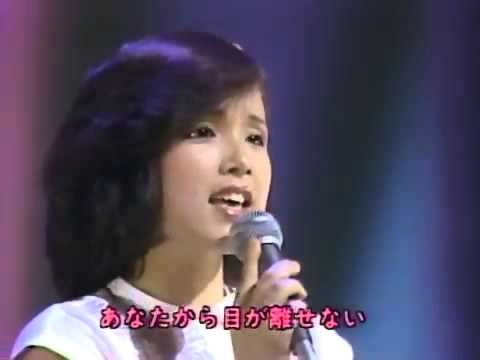
From folk songs to New Music—from Takuro to Yumi, to Miyuki Nakajima, and then to Southern—the generation in their fifties spent their youth sensing these shifts in popular taste.
Southern All Stars’ debut single “Katte ni Shindobaddo” shot into the Top Ten in no time at all, not so much for the meaning of its lyrics as for its freshness as a new sound.
They’ve remained active ever since, but back at their debut they were almost too blessed with hits; perhaps the pressure to produce another hit each time was so strong that their songwriting stalled.
There was even a time on the TV music show The Best Ten when they changed some lyrics and kept repeating “neurosis.” That said, Mizue Takada’s “Watashi wa Piano” is superb in both words and melody, a masterful portrayal of how parting arrives without warning and everything crumbles away.
Ruby RingTerao Akira

Terao’s agency was Ishihara Promotion, whose president at the time was the legendary actor Yujiro Ishihara.
When the staff shared their thoughts on the song, the hard-charging managing director—Yujiro’s right-hand man back then—savaged it, saying, “There’s no way a song that sounds like a Buddhist chant will sell.” But with one magnanimous word from Yujiro—“Why not?”—the record was greenlit.
It went on to sell 1.6 million copies and became a massive hit.
I personally felt closer to the managing director’s assessment, but I’m deeply impressed by Yujiro’s foresight—as an executive as well.
Let’s Count Your Kisses ~You were mine~Koyanagi Yuki

This is the song Yuki Koyanagi debuted with in 1999, and I think it’s a ballad everyone admires.
Some of you might have listened to this track on repeat, right? Even if you think you’re tone-deaf, songs you’ve listened to a lot tend to stick in your memory, so when you actually sing them, you’ll often find you can surprisingly stay on pitch! So don’t be afraid to give it a try.
The A and B sections sit in a relatively calm range, but the pitch jumps up quickly from the chorus into the C section, so it feels great if you adjust the key to one that’s comfortable for you and sing the English parts too.
The accompaniment is solid, so you should still be able to sing it coolly even if you lower the key.
Overall, there’s no need to belt—sing with a light touch, keeping a head-voice feel in mind, and give it a try.

Love is overŌyō Fifi

Fei Fei Ouyang, a Taiwan-born singer who became an overnight star in the early 1970s with hits like “Ame no Midosuji” and “Ame no Airport,” released this song after marrying a former race car driver in 1978, and it became a major hit.
Showcasing her outstanding vocal ability, the song portrays a mature love in which an older woman steps back out of consideration for her partner, and it remains a popular choice for karaoke.