

[Men in Their 50s, Gather Up!] Classic Karaoke Crowd-Pleasers & Easy-to-Sing Hits


Do you ever find yourself unsure what to sing at karaoke? Many people struggle with things like “I can’t keep pitch” or “I can’t hit high notes.” The truth is, even if you’re not confident about your vocal range, karaoke becomes a lot more fun once you learn how to pick the right songs.
In this article, we’ve carefully selected tracks that are easy to sing and sure to get the crowd going.
From nostalgic classics to singable ballads, we’ve gathered songs from a wide range of genres—so you’re sure to find your next go-to number!
- [For People in Their 50s] Ranking of Easy-to-Sing Karaoke Songs [2026]
- [2026] Recommended Japanese karaoke songs for men in their 50s
- [2026] Japanese karaoke songs that get men in their 50s pumped up
- [Men in their 60s] Even if you're not good at singing, it's okay! Easy-to-sing songs for karaoke
- Karaoke songs recommended for men with low voices or who are good at singing in a low register
- Even karaoke beginners can relax! Easy-to-sing songs for men
- Even if you’re tone-deaf, it’s okay! Easy karaoke songs for men in their 40s
- Karaoke songs for men in their 40s: a curated selection of hit tracks women want to hear!
- Uplifting songs recommended for men in their 50s
- [For Men] What Karaoke Songs Make It Easy to Score 100? A Curated List of Easy-to-Sing Tracks
- [For Men in Their 40s] Easy-to-Sing Karaoke Songs and Guaranteed Crowd-Pleasers
- This is a sure hit! Hype songs men will want to sing as the first track at karaoke
- Karaoke songs where even men with low voices can aim for high scores
[Men in Their 50s, Gather Round!] Classic Karaoke Crowd-Pleasers & Easy-to-Sing Hits (101–110)
Sake, Tears, Men, and WomenKawashima Eigo

This is a socially conscious masterpiece that portrays the subtle miscommunications between men and women and the nuances of emotional expression with deep insight.
It warmly observes how men open up through drinking and women through tears, each revealing their inner feelings.
Born from impressions Eigo Kawashima had at age 18 during a family memorial gathering, the song was included on the November 1975 album “Jinrui” (Humanity) and released as a single in June 1976.
Also known as the jingle for the sake brand Kizakura, it became a major hit, reaching No.
9 on the Oricon weekly chart.
It is a gem I recommend to anyone who wants to face their heart honestly when confronted with life’s sorrow and poignancy.
In the night sky after the rainImawano Kiyoshirō

Speaking of Kiyoshiro Imawano, his musical style is striking for evoking nostalgic scenes within a punky vibe.
Among his works, “Ameagari no Yozora ni” especially showcases his musical character.
While the highest notes aren’t very high, the pitch mid2F# appears frequently, so when adjusting the key, it’s best to center your tuning around that note.
The lyrics are a bit risqué, but it’s a song that tends to get the crowd going at karaoke, so consider adding it to your repertoire.

By the time of the Christmas carolsInagaki Junichi

This is Junichi Inagaki’s 27th single, released in October 1992.
It’s such a classic among J-pop Christmas songs that it hardly needs any explanation! I doubt there’s anyone who hasn’t heard it.
In fact, as of December 2023, it remains Inagaki’s biggest hit.
Of course, the primary reason for its massive success is the song’s inherent appeal, but it’s also very karaoke-friendly, which has helped many people sing it over the years.
The melody is very easy to sing as well, so when you perform it, pay attention to how you handle each phrase—where to hold notes, where to cut them, and so on.

YAH YAH YAHCHAGE and ASKA

This is the 31st single by CHAGE&ASKA (now CHAGE and ASKA), released in March 1993.
It was used as the theme song for the Fuji TV Wednesday drama series “If You Turn Around, He’s There,” starring Yuji Oda, and became a huge hit, recording double million sales.
The slightly wild lyrics are also memorable, aren’t they? When singing it at karaoke, I don’t think there are any particularly difficult parts in terms of melody or rhythm, but please sing the high notes in the chorus powerfully, doing your best not to lose vocal brightness.
Since the chorus has a refreshing sense of openness, try to sing with as little constriction in your voice as possible.
The Beatles I saw were inside the TV.Saitō Kazuyoshi
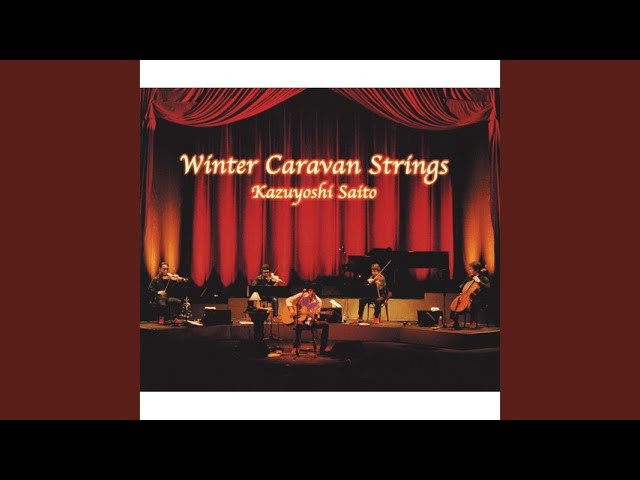
It’s a message song that sings, with both irony and sincerity, about one’s feelings toward the era they live in—an honest, true-to-life piece.
“The Beatles I Saw Were on TV” is the debut single, released in 1993.
After appearing on the music audition program “Saturday My Family’s TV: Yuji Miyake’s Tenka Gomen ne!”, Saito won the right to make a major-label debut, and this was the track that came out of it.
The song carries a bittersweet mood, yet somehow leaves you feeling refreshingly clear at the end.
It’s a male-vocal number, but I think it’s easy for women to sing as well.

[Calling all men in their 50s!] Classic crowd-pleasers for karaoke & easy-to-sing hits (111–120)
Thank youKuwata Keisuke

It’s a song that reflects on the scenery of one’s hometown and the people who supported you there, speaking heartfelt gratitude straight from the heart.
It was included as the closing track on the 2002 album “ROCK AND ROLL HERO.” It has been said that the song was written with feelings for Chigasaki—a place of great importance to Keisuke Kuwata—and with thanks to the people involved.
The gentle, piano-centered arrangement paired with expansive, expressive vocals is memorable, evoking the warmth of a choral piece.
Imagining a choral singing style that delivers the words plainly and directly should make it easier to sing.

Seventeen-Year-Old’s MapOzaki Yutaka

This is one of the signature songs by Yutaka Ozaki, a singer-songwriter who speaks for the hearts of young people.
Its driving, high-energy sound is striking, and it seems to convey not only strength but also the sense of impatience that resides within youth.
The lyrics are also a major draw, expressing in a straightforward way the unstable emotions of a 17-year-old in the midst of the transition from child to adult.
When singing it, you’ll want to keep in mind the song’s momentum, which feels like the cry of a young person’s heart.
It’s a track that exudes a power that stirs the soul.