

[Men in Their 50s, Gather Up!] Classic Karaoke Crowd-Pleasers & Easy-to-Sing Hits


Do you ever find yourself unsure what to sing at karaoke? Many people struggle with things like “I can’t keep pitch” or “I can’t hit high notes.” The truth is, even if you’re not confident about your vocal range, karaoke becomes a lot more fun once you learn how to pick the right songs.
In this article, we’ve carefully selected tracks that are easy to sing and sure to get the crowd going.
From nostalgic classics to singable ballads, we’ve gathered songs from a wide range of genres—so you’re sure to find your next go-to number!
- [For People in Their 50s] Ranking of Easy-to-Sing Karaoke Songs [2026]
- [2026] Recommended Japanese karaoke songs for men in their 50s
- [2026] Japanese karaoke songs that get men in their 50s pumped up
- [Men in their 60s] Even if you're not good at singing, it's okay! Easy-to-sing songs for karaoke
- Karaoke songs recommended for men with low voices or who are good at singing in a low register
- Even karaoke beginners can relax! Easy-to-sing songs for men
- Even if you’re tone-deaf, it’s okay! Easy karaoke songs for men in their 40s
- Karaoke songs for men in their 40s: a curated selection of hit tracks women want to hear!
- Uplifting songs recommended for men in their 50s
- [For Men] What Karaoke Songs Make It Easy to Score 100? A Curated List of Easy-to-Sing Tracks
- [For Men in Their 40s] Easy-to-Sing Karaoke Songs and Guaranteed Crowd-Pleasers
- This is a sure hit! Hype songs men will want to sing as the first track at karaoke
- Karaoke songs where even men with low voices can aim for high scores
[Men in Their 50s, Gather Round!] Classic Karaoke Crowd-Pleasers & Easy-to-Sing Hits (181–190)
lipsGLAY

An erotic number that depicts aching infatuation and passionate love.
Swept up by irresistible desire, the protagonist’s heart grows ever more unsettled by feelings for their lover, powerfully expressed over GLAY’s signature, fast-driving sound.
The striking guitar riff and high-key melody further accentuate the emotions swirling within.
Released in May 1997, the song was used as the ending theme for Fuji TV’s HEY! HEY! HEY! MUSIC CHAMP from April to June of the same year, and became the band’s first Oricon No.
1 hit.
It’s the perfect track to crank up the energy with friends at karaoke or to let your feelings out.
[Men in Their 50s, Gather Round!] Classic Karaoke Crowd-Pleasers & Easy-to-Sing Hits (191–200)
Muen-zakasadamasashi

Muen-zaka was the final single by Grape, the folk duo of Masashi Sada and Masami Yoshida.
The song expresses a son’s feelings toward his mother, who has endured many hardships.
Its heart-wrenching lyrics and bittersweet melody continue to be loved by many to this day.
Although the piece sits in a relatively high key that showcases Sada’s beautiful voice, the melody actually moves mostly in stepwise motion, making it surprisingly easy to sing.
Of course, you don’t need to stick to the original key—adjust it to suit your own voice.
This song is quintessentially Masashi Sada in the way it conveys love for family, so try singing it while thinking of your own loved ones.

Before anything else, from atop the roadIsseifubi Sepia

This track, distinguished by lively festival-like drums and flutes, weaves in themes that deeply reflect on the meaning of life and personal values through scenes of nature.
While questioning the purpose of living and our reason for being, it delivers a powerful message of courage and hope in the face of hardship.
Released in June 1984 as the debut single of Ikkyo Fubi Sepia, it reached No.
5 on the Oricon charts.
It was also used in commercials for SUZUKI’s scooter “Love THREE” and Kirin Beer’s “Kirin Shochu Tanrei Straight,” gaining popularity across a wide audience.
It’s a song that gives you the strength to face forward and keep walking when you’re at a crossroads in life, feeling lost or anxious.
The Land of ‘Good Job’ (Otsukaresama)Saitō Kazuyoshi

In the midst of our busy social lives with work and more, “Otsukaresama desu” has become a phrase we say almost without thinking.
This gently moving message song touches the hearts behind those words—please give it a listen.
Otsukaresama no Kuni was released in 2008 as the 35th single.
It was used in a commercial for Arinamin, so many of you may find it familiar.
The steadfast vocals and warm melody feel like they envelop your whole body.
I believe it’s a song that gives you the strength to face tomorrow.
Try singing it to cheer yourself up.

being teased; being pranked; being tampered withKuwata Keisuke

This song, strongly influenced by classic kayōkyoku to match the program’s concept, was unveiled as a new track on the show “Gratitude for the Great Kayōkyoku: Songs of Tokyo,” featuring Keisuke Kuwata.
Its playful spirit shines through in the sound and lyrics, sprinkled with touches that evoke kayōkyoku and suspense dramas.
With a gentle rhythm and minimal melodic leaps, it’s a piece you can sing in a relaxed manner.
The lyrics, depicting a romantic scene tinged with mystery, are another highlight—so be sure to sing it with an emphasis on mood.

I won’t fall in love anymore.Makihara Noriyuki
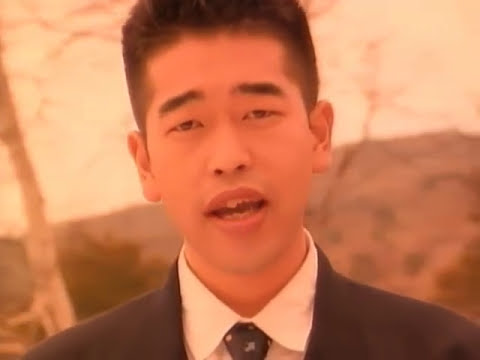
A signature work by Noriyuki Makihara, distinguished by its heartwarming melody that wraps both the ache of heartbreak and a brave facade.
It gently portrays memories of a former lover and the nostalgia of everyday life, and the protagonist’s resolve to move forward resonates with listeners.
Released in May 1992, it was chosen as the theme song for the NTV drama “After the Children Are Asleep.” Included on the album “Kimi wa Boku no Takaramono,” it became a major hit, ranking 7th on Oricon’s year-end chart.
This song supports those standing at a crossroads in life.
When you gather with friends for karaoke, its universally relatable lyrics and melody are sure to warm your heart.
Catharsis of youthGō Hiromi

Precisely because you love someone, you can’t show your true self in front of them… This song portrays the difficulty of such delicate emotions.
Released in 1980 as the 36th single, “Wakasa no Catharsis” was used as an insert song in the drama “Mrs., Me, and Señor!” Its slightly ennui-laden mood pairs perfectly with Hiromi Go’s wistful vocals.
It’s cool yet heartbreaking—a work with a strikingly dual appeal.
Since the highest notes are quite low, even men who aren’t confident with high tones should find it easy to try.