

Uplifting songs recommended for men in their 50s

For those in their 50s who are still incredibly busy with work, you want to tackle your job with full power and put your energy into your hobbies, too.No matter the era, everything requires stamina.Here are some uplifting Japanese songs recommended for men in their 50s.
- Cheer-up songs recommended for people in their 50s: classic and popular Japanese hits
- Uplifting songs recommended for men in their 40s
- [Men in Their 50s, Gather Up!] Classic Karaoke Crowd-Pleasers & Easy-to-Sing Hits
- [2026] Japanese karaoke songs that get men in their 50s pumped up
- Uplifting Japanese songs recommended for men in their 60s
- [2026] Crowd-Pleasing Songs Recommended for People in Their 50s: A Collection of Nostalgic Classics
- Cheering songs recommended for people in their 60s: classic and popular Japanese hits
- Karaoke songs that are sure to get a 60-something man fired up
- Good songs recommended for people in their 50s: classic and popular J-pop tracks.
- [2026 Edition] A Collection of Japanese Songs We Want Men in Their 50s to Sing
- [For People in Their 50s] Karaoke Songs That Get the Crowd Going: Ranking [2026]
- Tear-jerking songs recommended for men in their 50s: classic and popular Japanese hits
- For people in their 50s: Songs that make you want to sing—perfect for driving
Energizing songs recommended for men in their 50s (61–70)
At all times.Makihara Noriyuki

It was released in 1991 as Noriyuki Makihara’s third single.
The song was used as the theme for the film “No Problem on the Employment Front,” reached No.
1 on the Oricon Weekly Singles Chart, and became a million seller.
Even many years after its release, the song has been used in numerous commercials and has become one of Makihara’s signature tracks.
I won’t fall in love anymore.Makihara Noriyuki
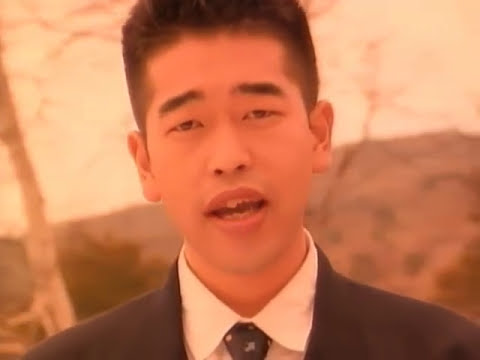
A signature song by Noriyuki Makihara, distinguished by its heartwarming melody that embraces both the ache of heartbreak and a brave front.
It gently portrays memories of a former lover and the nostalgia of everyday life, while the protagonist’s resolve to move forward resonates deeply with listeners.
Released in May 1992, it was chosen as the theme song for the NTV drama “After the Children Are Asleep.” Included on the album “Kimi wa Boku no Takaramono,” it became a major hit, ranking 7th on Oricon’s year-end chart.
This piece is a companion for those standing at life’s crossroads.
When you gather with friends for karaoke, its universally relatable lyrics and melody are sure to warm the heart.
A Man’s Badge of HonorYokohama Ginbae

A masterpiece that portrays the fiery spirit of a young man forging his own path with a rebellious heart.
Released in April 1982, it is known as one of Daisuke Shima’s signature songs.
Written and composed by Johnny of Yokohama Ginbae, the work features powerful vocals and a strong sense of justice, emblematic of the 1980s tsuppari (delinquent) youth culture.
The song was used as the theme for the Nippon TV drama “Ten made Agare!” and reached No.
3 on the weekly Oricon charts.
Its lyrics carefully depict the protagonist’s resolve to stay true to his beginnings despite facing adversity, resonating deeply across generations.
It was also covered as the theme song for the Nippon TV drama “From Today, It’s My Turn!!,” which boosted its popularity among younger audiences.
For example, it’s beloved as a cheer song in high school baseball and has been used as a walk-up song by professional baseball players—an anthem that pushes forward those striving toward their dreams.
Sake, Tears, Men, and WomenKawashima Eigo

This is a socially conscious masterpiece that portrays the subtle miscommunications between men and women and the nuances of emotional expression with deep insight.
It warmly observes how men open up through drinking and women through tears, each revealing their inner feelings.
Born from impressions Eigo Kawashima had at age 18 during a family memorial gathering, the song was included on the November 1975 album “Jinrui” (Humanity) and released as a single in June 1976.
Also known as the jingle for the sake brand Kizakura, it became a major hit, reaching No.
9 on the Oricon weekly chart.
It is a gem I recommend to anyone who wants to face their heart honestly when confronted with life’s sorrow and poignancy.
Runnerbakufū suranpu

The iconic song by Bakufu Slump, capturing the vibrant spirit of youth and the bonds of friendship, continues to move countless hearts even today.
Its lyrics, depicting the everyday life of boys on the track team, vividly portray scenes like talking in the locker room after the rain and gazing at the stars on the field at night, stirring up nostalgic memories.
Since its release in October 1988, it has been featured as insert music on Nippon TV’s “Genius! Takeshi’s Energy Giving TV” and in a Hitachi video commercial, and has since remained a beloved cheer song for high school baseball.
This piece is perfect for times when you face parting from friends, need the courage to take a new step forward, or want to cheer on someone important.
Its powerful melody and passionate message will gently nudge listeners onward.
Sneaker BluesKondō Masahiko

A classic song that strikingly combines poignancy and strength, depicting the breakup of lovers who raced through the season of youth.
With fond memories of time spent together in matching sneakers held close to their hearts, the pure emotions of young love overflow in a stirring melody and vocals that many listeners will find relatable.
Released in December 1980 as Masahiko Kondo’s debut single and used as the theme song for the film “Youth Graffiti: Sneaker Blues,” it debuted at No.
1 on the Oricon chart.
It’s a track that resonates even more deeply now with nostalgic memories as the years have passed.
Perfect for reliving past romances and getting fired up at karaoke with friends.
Tomorrow will surely be a good day.Takahashi Yuu
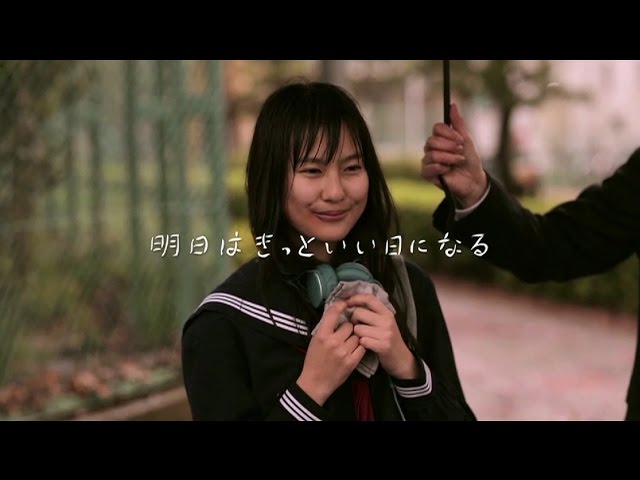
It was released in 2015 as Yu Takahashi’s 12th major single.
The song was used in a commercial for the Daihatsu Cast Activa and was later covered by the female singer-songwriter Rihwa.
Although the lyrics simply repeat straightforward words, the song still resonates deeply.