

Uplifting songs recommended for men in their 50s

For those in their 50s who are still incredibly busy with work, you want to tackle your job with full power and put your energy into your hobbies, too.No matter the era, everything requires stamina.Here are some uplifting Japanese songs recommended for men in their 50s.
- Cheer-up songs recommended for people in their 50s: classic and popular Japanese hits
- Uplifting songs recommended for men in their 40s
- [Men in Their 50s, Gather Up!] Classic Karaoke Crowd-Pleasers & Easy-to-Sing Hits
- [2026] Japanese karaoke songs that get men in their 50s pumped up
- Uplifting Japanese songs recommended for men in their 60s
- [2026] Crowd-Pleasing Songs Recommended for People in Their 50s: A Collection of Nostalgic Classics
- Cheering songs recommended for people in their 60s: classic and popular Japanese hits
- Karaoke songs that are sure to get a 60-something man fired up
- Good songs recommended for people in their 50s: classic and popular J-pop tracks.
- [2026 Edition] A Collection of Japanese Songs We Want Men in Their 50s to Sing
- [For People in Their 50s] Karaoke Songs That Get the Crowd Going: Ranking [2026]
- Tear-jerking songs recommended for men in their 50s: classic and popular Japanese hits
- For people in their 50s: Songs that make you want to sing—perfect for driving
Energizing songs recommended for men in their 50s (41–50)
Embracing SummerTUBE
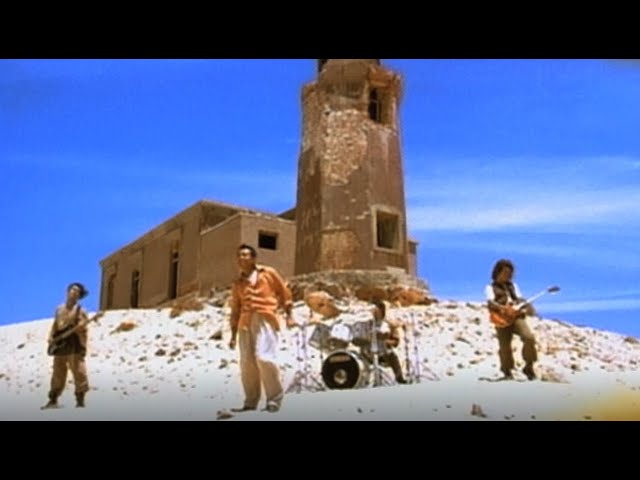
With a sound that evokes clear blue skies and a shining sun, this is a quintessential summer song from TUBE.
It conveys a love so intense it keeps you awake at night, expressed through passionate lyrics and melody.
The protagonist’s once-in-a-lifetime feelings are sure to stir memories of bittersweet love that many have experienced.
Released in May 1994, this smash hit topped the Oricon charts and sold 940,000 copies.
It was also featured in a Toyota Corolla Ceres commercial and has become a karaoke staple loved by many.
It’s the perfect track to share with close friends or colleagues as you reminisce and look back together on life’s milestones.
It’s love.V6

Released in 1997 as V6’s fifth single.
Despite being their first single without a tie-in, it reached No.
1 on the Oricon Singles Chart.
The lyrics were written by Goro Matsui and the music composed by Koji Tamaki.
It’s an uplifting song with bright, light, and straightforwardly positive lyrics that give you energy.
The rattlesnake is comingTonneruzu

With its cheerful, upbeat sound, this opening theme for the Fuji TV variety show “Tunnels’ Thanks to Everyone” captured the hearts of viewers.
Released by Tunnels in January 1992, the song brilliantly fuses Yasushi Akimoto’s clever wordplay with Tsugutoshi Goto’s lively melody.
At first glance it seems like a simple, fun story, but its lyrics are appealingly dual-layered, allowing for deeper, more adult interpretations.
Reaching No.
1 on the Oricon charts for the first time and selling 1.409 million copies, the song has been loved across borders, with covers in Hong Kong and Taiwan.
It’s the perfect track to liven up parties and gatherings, delivering a joyful moment that gets your body moving.
Bring it on, spring.non

As spring—the season of new beginnings—approaches, Non channels the energy of youth into her music and delivers it straight to your heart.
Like a gentle breeze, this encounter will blow in the courage you need to take a fresh step forward.
Born from a collaboration with Kei Higuchi, this work brims with a powerful message that captures the radiance of youth and breaks through the stifling feel of everyday life.
Since its release in January 2025, it has earned acclaim in live performances and become a fan favorite.
Following the album “PURSUE,” Non’s expressive power shines even brighter, marking a new stage in her evolution.
It’s a heartfelt cheer song I strongly recommend to anyone stepping into a new chapter of life or looking to take that first step toward tomorrow.
Shineyuzu

Released in 2014 as Yuzu’s 41st single, this song was issued as an advance single from their 12th studio album, “Shinsekai,” and was featured in a Nippon Life commercial.
Written and composed by Yujin Kitagawa, it reached No.
8 on the Oricon Weekly Singles Chart.
Bridge of Gloryyuzu

This moving, hope-filled ballad stirred hearts as the official NHK theme song for the 2004 Athens Olympics.
Singing of the unseen efforts and the path walked while facing forward, it powerfully encourages us to keep moving toward the future.
Yuzu’s acoustic tones and warm vocals resonate deeply with listeners.
Together with the iconic commentary from the men’s gymnastics team’s first gold medal in 28 years, it has been etched into the memories of many.
It’s a song that can bring people together across generations—perfect for livening up gatherings with friends or family, meals, and parties.
Give it some guts!!Urufuruzu

It was released in 1995 as Ulfuls’ ninth single.
The song became the breakthrough that brought Ulfuls into the spotlight, with lyrics and composition by Tortoise Matsumoto.
Thanks to its success, they made their first appearance on NHK’s Kōhaku Uta Gassen.
As the title suggests, it’s a song brimming with gutsy spirit.