

[2026] Recommended Japanese karaoke songs for men in their 50s


Company parties, local class reunions, family gatherings… If you’re a man in your 50s, you probably get plenty of chances to go to karaoke, right?
At times like that, do you ever find yourself unsure what to sing?
“I can’t really sing recent songs…” “Even if I go with older songs, I don’t know which ones are good…” If that sounds like you, this article will introduce karaoke songs recommended for men in their 50s!
Focusing on hits from the ’80s to the early ’90s, we’ve carefully selected classic karaoke staples and songs that women will think, “I’d love to hear him sing this!”
Use this as a guide for choosing your next songs!
- For Men in Their 50s: No Worries If You’re Tone-Deaf! A Curated Selection of Easy-to-Sing Karaoke Songs
- [2026] Japanese karaoke songs that get men in their 50s pumped up
- Recommended Japanese Music Artists and Popular Song Rankings for Men in Their 50s [2026]
- Coming-of-age songs for your 50s: heart-thumping × heartwarming classics and popular tracks [2026]
- [For People in Their 50s] Ranking of Easy-to-Sing Karaoke Songs [2026]
- Karaoke Popularity Ranking by Generation [50s] [2026]
- Karaoke songs for men in their 40s: a curated selection of hit tracks women want to hear!
- [2026] Crowd-Pleasing Songs Recommended for People in Their 50s: A Collection of Nostalgic Classics
- [For People in Their 50s] Karaoke Songs That Get the Crowd Going: Ranking [2026]
- [For Men in Their 40s] A Collection of Songs That Score High at Karaoke [2026]
- Good songs recommended for people in their 50s: classic and popular J-pop tracks.
- Popular Japanese songs among men in their 60s: recommended masterpieces and classic tracks
- Uplifting songs recommended for men in their 50s
[2026] Recommended Japanese Pop Karaoke Songs for Men in Their 50s (111–120)
FRIENDSHIPH Jungle with T

This is the 3rd single by the music unit H Jungle with t, formed by Masatoshi Hamada and Tetsuya Komuro, released in April 1996.
It was used as the theme song for the Nippon TV drama “Leave it to Ryoma!” Compared to the unit’s 1st single “WOW WAR TONIGHT ~Sometimes Movement is Necessary~” and their 2nd single “GOING GOING HOME,” this pick is a bit more on the niche side, but precisely because of that, I thought it would be a great recommendation for men in their 40s who want to show a slightly different taste from their peers, so I’m introducing it here.
There aren’t any particularly difficult parts when singing it at karaoke, so feel free to choose it and have fun.
Just note that the key changes in the final chorus, so watch out for that part.

Just by you being herekome kome CLUB

Kome Kome Club is a nine-member band that rose to popularity with their glamorous live performances and now continues at its own pace while releasing new music.
Their 13th single “Kimi ga Iru Dake de,” released as a double A-side with “Aishiteru,” was used as the theme song for the TV drama “Sugao no Mama de.” Despite its catchy and refreshing melody, the overall key is low, making it relatively easy for men in their 50s to sing.
As a song that achieved double million sales and is widely known across generations, it’s a pop tune well worth adding to your karaoke repertoire.

Imperial Regent Declarationsadamasashi

This song, released as a single by Masashi Sada in July 1979.
Listening to the lyrics with a modern sensibility, you can’t help but think, “I’m surprised they were able to release a song with these lyrics…” It really gives you a sense of the era.
In the first half, as the title suggests, it sings about a very domineering husband, but in the final chorus, he clearly expresses his love for his wife, which conveys Sada’s personality and affection and completely changes the initial impression.
That contrast probably helped it become such a big hit at the time.
Since Sada’s voice and singing style are so distinctive, it might be fun to try a bit of an impersonation when singing it at karaoke!
Love Story Comes SuddenlyOda Kazumasa
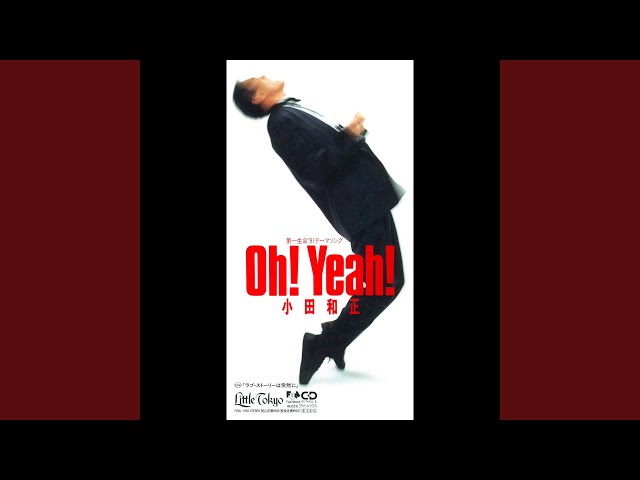
Singer-songwriter Kazumasa Oda, who rose to popularity with his high-toned voice tinged with transience and his playful character, continues to be highly active today.
“Love Story wa Totsuzen ni,” written as the theme song for the quintessential trendy drama Tokyo Love Story, was originally included as the B-side to his sixth single, “Oh! Yeah!” Its airy, urban arrangement still feels timeless even now.
It’s a pop tune whose massive success makes perfect sense—the opening guitar alone brings back iconic scenes from the drama.
Subaru – Subaru (Subaru)Tanimura Shinji

One of the charms of Showa-era kayōkyoku is that many songs could be enjoyed by both adults and children.
You’d see older folks getting fired up to Hideki Saijo’s tunes, while kids sang Momoe Yamaguchi’s songs without even understanding the lyrics.
Looking back now, it feels like there truly was a good old time there.
“Subaru,” released by Shinji Tanimura after Alice disbanded, is one such song.
Its lyrics—conveying the message that “even when sad things happen, people keep walking through life”—make it an anthem that cheers you on in life.
It remains a classic you still hear repeatedly in commercials and on impression shows today.
Ya Ya (I Won’t Forget That Time)Sazan Ōrusutāzu

Since it’s a mellow ballad, it’s best suited for a calm moment when you feel like everyone’s pretty much done singing.
It’s a song that can be a bit tricky to master.
You can sing it in the style of Keisuke Kuwata, or arrange it in your own way—either works well for this piece.
The little anecdote that Kuwata wrote it with his older sister in mind also adds charm to a karaoke performance.
If you get the chance, please give it a try!
There’s always tomorrowUrufuruzu

If you’re looking for a song that instantly livens up the moment and gets everyone singing along, how about hyping things up with this track? Ulfuls’ 2001 single “Ashita ga Aru sa” is a beloved cover of the song originally released by Kyu Sakamoto in 1963.
The version by Re:Japan, a unit formed by Yoshimoto Kogyo comedians, is also famous.
It’s a power song that can blow away fatigue and give energy to anyone feeling down.
