

[2026] Recommended Japanese karaoke songs for men in their 50s


Company parties, local class reunions, family gatherings… If you’re a man in your 50s, you probably get plenty of chances to go to karaoke, right?
At times like that, do you ever find yourself unsure what to sing?
“I can’t really sing recent songs…” “Even if I go with older songs, I don’t know which ones are good…” If that sounds like you, this article will introduce karaoke songs recommended for men in their 50s!
Focusing on hits from the ’80s to the early ’90s, we’ve carefully selected classic karaoke staples and songs that women will think, “I’d love to hear him sing this!”
Use this as a guide for choosing your next songs!
- For Men in Their 50s: No Worries If You’re Tone-Deaf! A Curated Selection of Easy-to-Sing Karaoke Songs
- [2026] Japanese karaoke songs that get men in their 50s pumped up
- Recommended Japanese Music Artists and Popular Song Rankings for Men in Their 50s [2026]
- Coming-of-age songs for your 50s: heart-thumping × heartwarming classics and popular tracks [2026]
- [For People in Their 50s] Ranking of Easy-to-Sing Karaoke Songs [2026]
- Karaoke Popularity Ranking by Generation [50s] [2026]
- Karaoke songs for men in their 40s: a curated selection of hit tracks women want to hear!
- [2026] Crowd-Pleasing Songs Recommended for People in Their 50s: A Collection of Nostalgic Classics
- [For People in Their 50s] Karaoke Songs That Get the Crowd Going: Ranking [2026]
- [For Men in Their 40s] A Collection of Songs That Score High at Karaoke [2026]
- Good songs recommended for people in their 50s: classic and popular J-pop tracks.
- Popular Japanese songs among men in their 60s: recommended masterpieces and classic tracks
- Uplifting songs recommended for men in their 50s
[2026] Recommended Japanese karaoke songs for men in their 50s (141–150)
In the Sun and the DustCHAGE and ASKA

A gem of a melody that portrays the dreams and setbacks of youth—and the strength to overcome them.
Released to the world by CHAGE and ASKA in January 1991, this work captures the persistence of those who keep pursuing their dreams, set to a 16-beat rhythm infused with a Western pop sensibility.
The chorus, simple yet striking, has a familiar charm that makes you want to sing along.
A single cut from the album “SEE YA,” it was featured in Nissin Foods’ “Cup Noodles Red Zone” campaign and as the ending theme for Fuji TV’s TIME3, becoming a major hit with cumulative sales exceeding 500,000 copies.
It’s a song that gently pushes you forward when you want to keep running toward unseen dreams—or when you find yourself at a crossroads in life.
lipsGLAY

An erotic number that captures both aching infatuation and passionate love.
Swept up by irresistible desire, the protagonist’s heart grows increasingly unsettled by feelings for their partner—expressed powerfully against GLAY’s signature, high-velocity sound.
The striking guitar riff and melody sung in a higher key further accentuate the emotions swirling within.
Released in May 1997, the song was used as the ending theme for Fuji TV’s “HEY! HEY! HEY! MUSIC CHAMP” from April to June of the same year, and became a major hit as the band’s first Oricon No.
1.
It’s the perfect track for cranking up the energy with friends at karaoke or letting your feelings out.
Embracing SummerTUBE
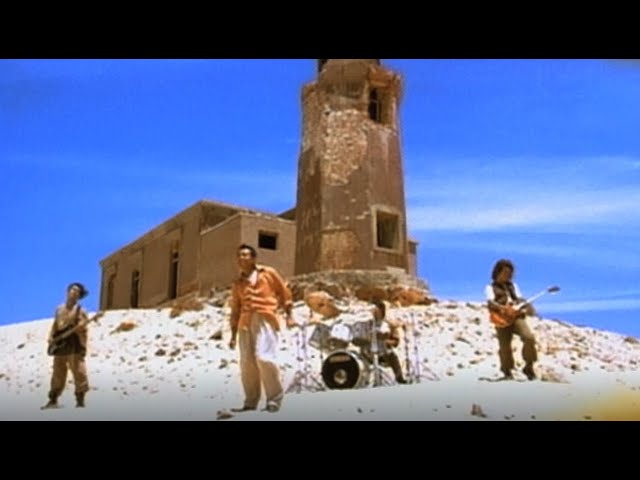
With a sound that evokes clear blue skies and a shining sun, this is a quintessential summer song from TUBE.
It conveys a love so intense it keeps you awake at night, expressed through passionate lyrics and melody.
The protagonist’s once-in-a-lifetime feelings are sure to stir memories of bittersweet love that many have experienced.
Released in May 1994, this smash hit topped the Oricon charts and sold 940,000 copies.
It was also featured in a Toyota Corolla Ceres commercial and has become a karaoke staple loved by many.
It’s the perfect track to share with close friends or colleagues as you reminisce and look back together on life’s milestones.
[2026] Recommended Japanese karaoke songs for men in their 50s (151–160)
Like tonight’s moonElefanto Kashimashi
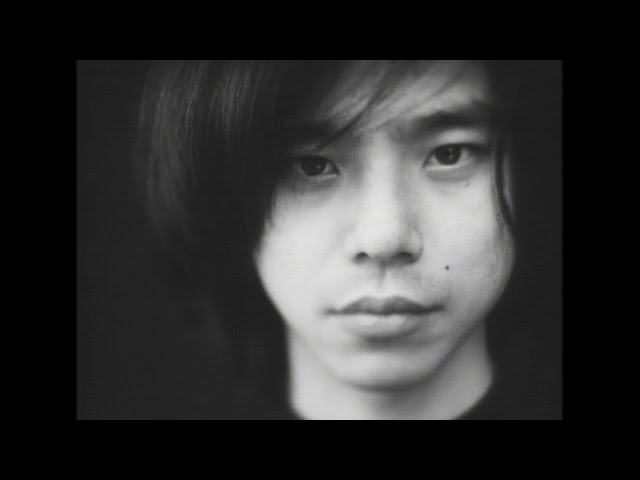
It’s a deeply moving masterpiece that powerfully sings of passion for the future while gazing into everyday feelings of emptiness and loneliness.
Set against the backdrop of a city at dusk, it portrays the solitude and struggles of people living in an urban landscape, yet conveys a strong will to keep looking forward and moving on.
The soulful vocals unique to Elephant Kashimashi and the melody that resonates with the heart are beautifully in harmony.
Released in July 1997, the song was used as the theme for the Fuji TV drama “Because the Moon Shines at Night,” and was also included on the album “Run Toward Tomorrow – Moonlit Songs.” In 2017, it was performed in the band’s first appearance on the NHK Kōhaku Uta Gassen, winning over even more listeners.
It’s a track that will evoke deep empathy when you feel lost in life or spend a night thinking of someone dear.
TSUNAMISazan Ōrusutāzu

Known as a masterpiece that likens the pain of heartbreak to a tsunami, this work is a moving love song celebrated as one of Southern All Stars’ signature pieces.
It’s a gem of a ballad that expresses the sorrow of losing someone dear through a grand melody, fully showcasing Keisuke Kuwata’s exceptional songwriting and composing talent.
Released in January 2000, it topped the Oricon weekly charts and won the Japan Record Award the same year.
It was also selected as the theme song for the popular segment “Mirai Nikki III” on the TV program “U-nan no Hontoko!,” becoming a classic beloved across generations.
As a heartwarming song that offers comfort to those carrying the pain of losing someone special, it’s also highly recommended for karaoke.
Beard and Boobsyunikōn
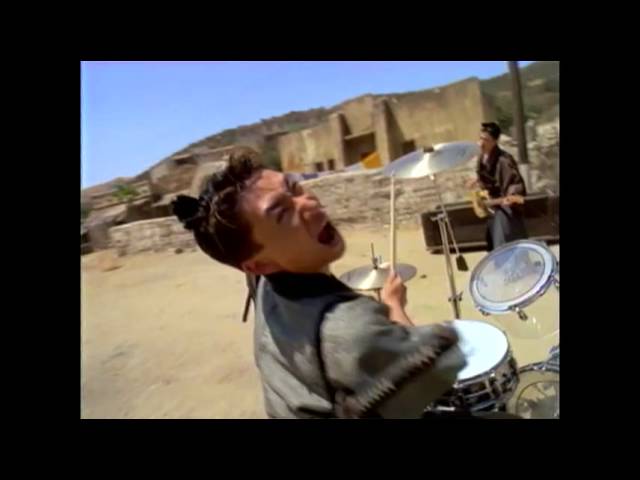
One of Unicorn’s signature works, this song humorously portrays the wavering emotions caught between a salaryman’s job and his love life.
Tamio Okuda’s lyrical world shines as he deftly weaves in modern workplace relationships, from a young company president to the woman at the neighboring desk.
Released in October 1991, the track features an arrangement inspired by the grand sound of Electric Light Orchestra, with a striking use of synthesizers.
As the closing song on the album “Hige to Boin,” it brilliantly conveys the complex feelings of a man who can’t give up on love even while being overwhelmed by work.
It’s a perfect pick for livening up after-work karaoke with colleagues.
I won’t fall in love anymore.Makihara Noriyuki
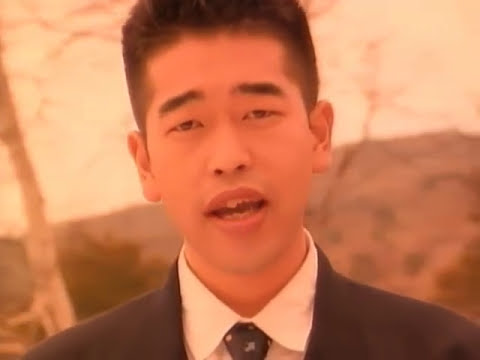
A signature song by Noriyuki Makihara, distinguished by its heartwarming melody that embraces both the ache of heartbreak and a brave front.
It gently portrays memories of a former lover and the nostalgia of everyday life, while the protagonist’s resolve to move forward resonates deeply with listeners.
Released in May 1992, it was chosen as the theme song for the NTV drama “After the Children Are Asleep.” Included on the album “Kimi wa Boku no Takaramono,” it became a major hit, ranking 7th on Oricon’s year-end chart.
This piece is a companion for those standing at life’s crossroads.
When you gather with friends for karaoke, its universally relatable lyrics and melody are sure to warm the heart.