

Good songs recommended for people in their 50s: classic and popular J-pop tracks.

When you hear the phrase “a good song,” what kind of track comes to mind?
There are all sorts of “good songs,” like lovely love songs, friendship songs that celebrate bonds, and moving songs that give you a gentle push forward.
In this article, we’ll be introducing those kinds of “good songs,” but this time we’re focusing on tracks recommended for people in their 50s!
We’ve mainly selected songs from the ’80s and ’90s, so if you’re in your 50s, there should be plenty of familiar tunes.
Let’s dive in and see what songs made the list!
- Cheer-up songs recommended for people in their 50s: classic and popular Japanese hits
- Coming-of-age songs for your 50s: heart-thumping × heartwarming classics and popular tracks [2026]
- [2026] Crowd-Pleasing Songs Recommended for People in Their 50s: A Collection of Nostalgic Classics
- Popular Japanese songs among women in their 50s: recommended classics and staple tracks
- Tear-jerking songs recommended for men in their 50s: classic and popular Japanese hits
- Good songs recommended for people in their 60s: classic and popular Japanese tracks
- [50s] Popular Song Ranking by Generation [2026]
- Love songs recommended for women in their 40s: classic and popular Japanese hits
- Favorite Songs for Women in Their 50s: A Curated Selection of Sweet and Bittersweet Love Ballads!
- Energizing songs recommended for women in their 50s
- [2026] A collection of autumn songs for people in their 50s. Showa-era classics that bring back memories of those days
- [Men in Their 50s, Gather Up!] Classic Karaoke Crowd-Pleasers & Easy-to-Sing Hits
- [Ages 60s] Popular Japanese Music / J-POP Rankings [By Generation]
Great songs recommended for people in their 50s: Japanese classics and popular tracks (91–100)
Tomorrow, when spring comesMatsu Takako

An impressive debut song by Takako Matsu, featuring a gentle voice that reflects on memories of youth.
The lyrics capture a fleeting moment with someone precious who shines in past memories, carrying feelings that never fade with time.
Released in March 1997 and used in NTT’s “Exciting New Life Campaign” commercial, the song became a hit, breaking into the top 10 of the Oricon charts.
In 2007, a 10th-anniversary version with new lyrics was produced and included on the album “Cherish You.” It’s a perfect track for quietly thinking of someone dear or for looking back on nostalgic memories as spring arrives.
Come, spring.Matsutōya Yumi

A gem of a mid-tempo ballad by Yumi Matsutoya, whose lyrical melody heralds the arrival of spring.
The lyrics, evoking feelings for a cherished person who has been lost, quietly seep into the listener’s heart.
Released in October 1994 as the theme song for an NHK morning drama series, the song topped the Oricon charts and became a million-seller.
It was also featured in commercials for Suntory’s BOSS Rainbow Mountain Blend and All Nippon Airways, winning love across a wide audience.
Brimming with hope, it’s a song that stays close to your heart during life’s milestones—graduations, new beginnings, and other seasonal turning points.
Even though it’s springKashiwabara Yoshie

A classic by Yoshie Kashiwabara that portrays a farewell with a loved one on graduation day, set to a gentle melody and wistful lyrics.
Written and composed by singer-songwriter Miyuki Nakajima, it won the Gold Prize at the 25th Japan Record Awards in 1983, the year it was released.
The memorable phrase repeated in the chorus beautifully captures the bittersweet feeling of parting during a season of new beginnings, resonating with many listeners.
The piano- and strings-centered arrangement further enhances its emotive world.
For many, it remains etched in the heart alongside memories of graduation season.
A gem of a ballad with timeless appeal that lingers in the heart, together with cherished memories of youth.
rainMoritaka Chisato

A heart-stirring ballad by Chisato Moritaka, where the poignancy of heartbreak overlaps beautifully with rainy scenery.
Since its release in September 1990, this song has marked a turning point as she evolved toward a more artist-driven direction.
The delicate vocals weave a story of unrequited love, vividly portraying the complex emotions of a woman parting with her lover in the rain.
Released by Warner-Pioneer, the track reached No.
2 on the Oricon charts.
It’s the perfect accompaniment for quiet moments—when you want to empathize with the ache of love, on a gently rainy afternoon, or during a nighttime drive to sort out your thoughts.
I won’t fall in love anymore.Makihara Noriyuki
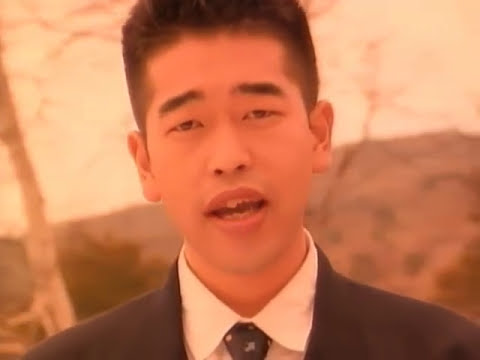
A signature song by Noriyuki Makihara, distinguished by its heartwarming melody that embraces both the ache of heartbreak and a brave front.
It gently portrays memories of a former lover and the nostalgia of everyday life, while the protagonist’s resolve to move forward resonates deeply with listeners.
Released in May 1992, it was chosen as the theme song for the NTV drama “After the Children Are Asleep.” Included on the album “Kimi wa Boku no Takaramono,” it became a major hit, ranking 7th on Oricon’s year-end chart.
This piece is a companion for those standing at life’s crossroads.
When you gather with friends for karaoke, its universally relatable lyrics and melody are sure to warm the heart.
Far, far awayMakihara Noriyuki

This is a masterpiece by Noriyuki Makihara that deeply stirs memories and nostalgia from one’s school days.
It’s a carefully crafted number that depicts striving in a new place while quietly holding thoughts of one’s hometown and friends in one’s heart.
Featured on the album “Kimi wa Boku no Takaramono,” the song returned to the spotlight in 2006 as the theme for an NTT East Japan commercial.
It also aired during the reunion special of the TV program “Marumaru Chibi Maruko-chan” in July 2007, drawing attention.
It’s a warm ballad that offers comfort not only to those living away from home, but also to anyone embarking on a new journey in the spring.
Runnerbakufū suranpu

The iconic song by Bakufu Slump, capturing the vibrant spirit of youth and the bonds of friendship, continues to move countless hearts even today.
Its lyrics, depicting the everyday life of boys on the track team, vividly portray scenes like talking in the locker room after the rain and gazing at the stars on the field at night, stirring up nostalgic memories.
Since its release in October 1988, it has been featured as insert music on Nippon TV’s “Genius! Takeshi’s Energy Giving TV” and in a Hitachi video commercial, and has since remained a beloved cheer song for high school baseball.
This piece is perfect for times when you face parting from friends, need the courage to take a new step forward, or want to cheer on someone important.
Its powerful melody and passionate message will gently nudge listeners onward.