

Good songs recommended for people in their 50s: classic and popular J-pop tracks.

When you hear the phrase “a good song,” what kind of track comes to mind?
There are all sorts of “good songs,” like lovely love songs, friendship songs that celebrate bonds, and moving songs that give you a gentle push forward.
In this article, we’ll be introducing those kinds of “good songs,” but this time we’re focusing on tracks recommended for people in their 50s!
We’ve mainly selected songs from the ’80s and ’90s, so if you’re in your 50s, there should be plenty of familiar tunes.
Let’s dive in and see what songs made the list!
- Cheer-up songs recommended for people in their 50s: classic and popular Japanese hits
- Coming-of-age songs for your 50s: heart-thumping × heartwarming classics and popular tracks [2026]
- [2026] Crowd-Pleasing Songs Recommended for People in Their 50s: A Collection of Nostalgic Classics
- Popular Japanese songs among women in their 50s: recommended classics and staple tracks
- Tear-jerking songs recommended for men in their 50s: classic and popular Japanese hits
- Good songs recommended for people in their 60s: classic and popular Japanese tracks
- [50s] Popular Song Ranking by Generation [2026]
- Love songs recommended for women in their 40s: classic and popular Japanese hits
- Favorite Songs for Women in Their 50s: A Curated Selection of Sweet and Bittersweet Love Ballads!
- Energizing songs recommended for women in their 50s
- [2026] A collection of autumn songs for people in their 50s. Showa-era classics that bring back memories of those days
- [Men in Their 50s, Gather Up!] Classic Karaoke Crowd-Pleasers & Easy-to-Sing Hits
- [Ages 60s] Popular Japanese Music / J-POP Rankings [By Generation]
Great songs recommended for people in their 50s: Classic and popular Japanese tracks (11–20)
Goodbyeofukōsu

Off Course’s signature song “Sayonara,” released in 1979, is one of Kazumasa Oda’s most iconic tracks and surely a special, nostalgic piece for those in their 50s.
Its lyrics, which portray a parting tinged with lingering feelings, are filled with poignancy.
Many listeners have likely been deeply moved by the phrases sung in Oda’s soaring voice.
“Sayonara” offers the courage to move forward beyond the loneliness of farewell, and it evokes memories of days gone by—making it a song I especially recommend those in their 50s listen to again.
Rock ‘n’ Roll WidowYamaguchi Momoe

This is a single released by Momoe Yamaguchi in May 1980, which peaked at number 3 on the Oricon chart.
The composer was Ryudo Uzaki, who later recorded his own self-cover.
Various other artists, including Kaori Takeda and E-girls, have also covered the song.
Dancing All Nightmonta & burazāzu

Released in April 1980, “Dancing All Night” was a hit song that topped the Oricon weekly charts for 10 consecutive weeks.
It won many awards, including the Gold Prize at the Japan Record Awards and the Special Broadcast Music Award at the Japan Kayō Awards.
Forget-me-notOzaki Yutaka

This is one of Yutaka Ozaki’s signature ballads and a hugely popular song among fans! I imagine many people sing it at karaoke.
The overall vocal range is B2–A4, and while the chorus features Ozaki’s distinctive, impassioned, pleading delivery, you should hold back your emotions and focus on accurate pitch when doing scoring.
The melody line is simple and easy for anyone to remember.
However, because the contrast in pitch between the verses (A–B sections) and the chorus can feel pronounced, be mindful to keep your facial muscles lifted and project from the same placement throughout so you can sing without straining your throat.

The Wind RisesMatsuda Seiko

It’s a single released by Seiko Matsuda in October 1981, which won the Golden Idol Award at the Japan Record Awards and the Broadcast Music Award at the Japan Kayō Awards.
Seiko Matsuda also appeared in the Pocky commercial that featured this song.
Eiichi Ohtaki, who composed it, later recorded a self-cover.
Do You Remember Love?Iijima Mari

It’s a single released by Mari Iijima in June 1984, used as the theme song for The Super Dimension Fortress Macross: Do You Remember Love?, in which Iijima appeared as Lynn Minmay.
It reached No.
7 on the Oricon charts and won the Theme Song Award at the Japan Anime Awards.
Great songs recommended for people in their 50s: Classic and popular Japanese hits (21–30)
SAY YESCHAGE and ASKA
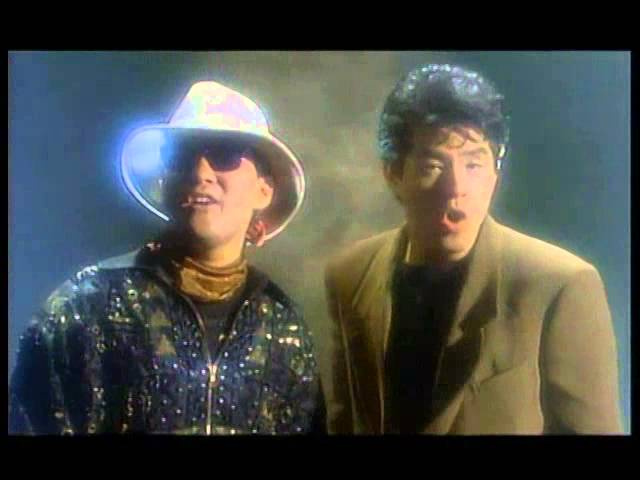
Characterized by a melody that speaks to the heart, “SAY YES” is a song loved across generations.
Its emotionally rich tune moves listeners and never fades with time.
In particular, listeners in their 50s may feel both a nostalgic warmth and a fresh immediacy that evokes memories of their youth.
Known as a karaoke staple, this ballad—one that almost everyone has hummed at least once—continues to be a companion to everyday life, sometimes giving you a gentle push forward.
By taking on its beautiful harmonies, you can savor its charms to the fullest.