

Good songs recommended for people in their 50s: classic and popular J-pop tracks.

When you hear the phrase “a good song,” what kind of track comes to mind?
There are all sorts of “good songs,” like lovely love songs, friendship songs that celebrate bonds, and moving songs that give you a gentle push forward.
In this article, we’ll be introducing those kinds of “good songs,” but this time we’re focusing on tracks recommended for people in their 50s!
We’ve mainly selected songs from the ’80s and ’90s, so if you’re in your 50s, there should be plenty of familiar tunes.
Let’s dive in and see what songs made the list!
- Cheer-up songs recommended for people in their 50s: classic and popular Japanese hits
- Coming-of-age songs for your 50s: heart-thumping × heartwarming classics and popular tracks [2026]
- [2026] Crowd-Pleasing Songs Recommended for People in Their 50s: A Collection of Nostalgic Classics
- Popular Japanese songs among women in their 50s: recommended classics and staple tracks
- Tear-jerking songs recommended for men in their 50s: classic and popular Japanese hits
- Good songs recommended for people in their 60s: classic and popular Japanese tracks
- [50s] Popular Song Ranking by Generation [2026]
- Love songs recommended for women in their 40s: classic and popular Japanese hits
- Favorite Songs for Women in Their 50s: A Curated Selection of Sweet and Bittersweet Love Ballads!
- Energizing songs recommended for women in their 50s
- [2026] A collection of autumn songs for people in their 50s. Showa-era classics that bring back memories of those days
- [Men in Their 50s, Gather Up!] Classic Karaoke Crowd-Pleasers & Easy-to-Sing Hits
- [Ages 60s] Popular Japanese Music / J-POP Rankings [By Generation]
Great songs recommended for people in their 50s: Classic and popular Japanese hits (21–30)
OH MY LITTLE GIRLOzaki Yutaka

A love ballad that was rediscovered as the theme song for Fuji TV’s 1994 Monday 9 p.m.
drama “Kono Yo no Hate,” and has continued to be loved across generations.
At karaoke, it’s a classic that gets the room gently buzzing when men in their 50s sing it while reminiscing about their youth.
The overall vocal range is D#3 to A4, which should be relatively comfortable for male singers.
If you sing the verses (A and B sections) quietly, almost like speaking, you can instantly set the mood.
The big highlight is the very first chorus.
Take a good breath beforehand and hit it right on cue—you should find it feels great to sing.
Doing an impression can be fun, but by all means try belting it out in your own voice!

FanfareTamaki Kōji

As the theme song for TBS’s Sunday Theater drama “The Royal Family” for the October 2025 season, it’s becoming a go-to karaoke staple, especially popular among men in their 50s.
The lyrics resonate with generations rich in life experience, and they connect with the drama’s grand story depicting horse racing and family bonds.
With Koji Tamaki’s powerful vocal ability, you can pull off a cool performance by switching between a spoken, narrative style and a strong, belted style.
When hitting high notes, focus on quick vocal attack and keeping an open breath pathway so you don’t overstrain—this helps you produce sound comfortably without stressing your throat.
Proper preparation before singing is essential!
I wanted to kiss you again.B’z

A ballad included on the 1991 album “IN THE LIFE,” it’s a story-driven song that portrays a journey from a summer meeting to a winter farewell.
It’s a karaoke staple that lets you deliver a tender, heartfelt performance.
The overall vocal range is slightly low at F3–G#4, so even singers who struggle with high notes should find it manageable.
One thing to watch out for: just because it sits low and feels easy, don’t overuse your throat.
If your pitch drops, your tone will get muffled and your vocal performance will suffer.
Try lifting your facial muscles and eyebrows, and sing with a constant sense of resonance between your eyebrows—the sound will flow more comfortably.
Islanders’ TreasureBEGIN
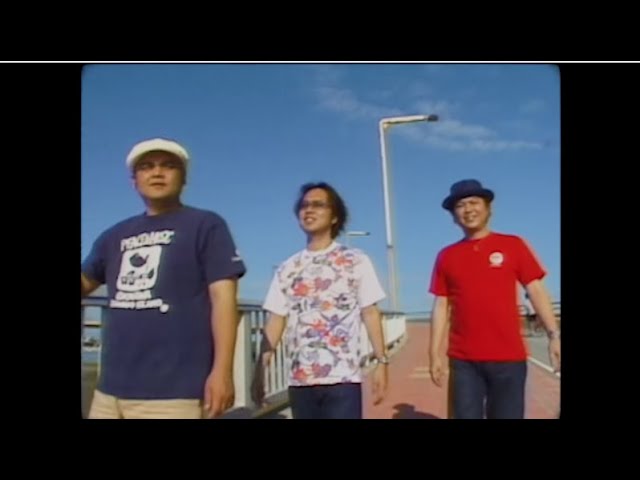
A classic song that represents Okinawa, widely known as the image song for NHK’s “30th Anniversary of Okinawa’s Reversion to the Mainland.” It’s popular across generations, but when a man in his 50s sings it at karaoke or in a snack bar, his life experience adds a persuasive depth that warms up the room.
Since the song itself has a gentle Okinawan feel, it’s better to sing softly, as if speaking to the listener, rather than belting it out.
The melody flows smoothly, so try not to break the phrases too much—take a good breath and sing through to the end of each line.
That will help bring out the right atmosphere.
KanadeSukima Suichi

A heartwarming ballad that begins with piano tones shining under a soft glow.
Sung with a clear, emotive voice, it portrays the radiance of a world transformed by partings and new encounters—one of Sukima Switch’s quintessential masterpieces.
Released in March 2004, the song became a long-running hit over 38 weeks.
It was featured as an insert song in the film “Rough” and served as the theme for Fuji TV’s drama “Sotsu Uta,” continuing to resonate with many listeners.
Included on the albums “Natsugumo Noise,” “Greatest Hits,” and “DOUBLES BEST,” its charm deepens with time.
Perfect for those moments when you want to gaze at the night view in a lounge and reminisce about memories with someone special.
In the night sky after the rainImawano Kiyoshirō

Speaking of Kiyoshiro Imawano, his musical style is striking for evoking nostalgic scenes within a punky vibe.
Among his works, “Ameagari no Yozora ni” especially showcases his musical character.
While the highest notes aren’t very high, the pitch mid2F# appears frequently, so when adjusting the key, it’s best to center your tuning around that note.
The lyrics are a bit risqué, but it’s a song that tends to get the crowd going at karaoke, so consider adding it to your repertoire.

Another SaturdayHamada Shogo

Shogo Hamada’s classic “Another Saturday.” Although this song is renowned for being easy to sing, that doesn’t mean it has a narrow vocal range.
In fact, it spans a fairly typical range of mid1 C to mid2 F.
So why is it considered easy? Because the average pitch centers around mid2 A#, the so-called “A,” which sits in the middle area where humans find it easiest to produce sound.
The vocal line also has few dramatic rises and falls, so as long as you adjust the key properly, it’s a song with which anyone can aim for a high score.