

[2026] Crowd-Pleasing Songs Recommended for People in Their 50s: A Collection of Nostalgic Classics

When we think of people in their 50s today, many likely spent their formative years during Japan’s musical golden era: late-1970s to 1980s TV shows like “The Best Ten,” the late-80s band boom, and the early-90s J-POP and trendy drama boom.
In this article, we’ll introduce high-energy songs that 50-somethings can enjoy and feel nostalgic about.
In the midst of busy, demanding daily life, music can bring back memories you’d almost forgotten.
We hope this article can be that spark for you!
It can also serve as a helpful guide for younger generations when choosing songs for karaoke with people in their 50s.
- [2026] Japanese karaoke songs that get men in their 50s pumped up
- Recommended for women in their 50s! A curated selection of classic and popular karaoke hits that will get the crowd going
- [For People in Their 50s] Karaoke Songs That Get the Crowd Going: Ranking [2026]
- [For People in Their 60s] Karaoke Songs That Get the Crowd Going: Ranking [2026]
- Coming-of-age songs for your 50s: heart-thumping × heartwarming classics and popular tracks [2026]
- [50s] Popular Song Ranking by Generation [2026]
- Dance music in Japanese (J-pop) that people in their 50s used to listen to. Nostalgic classic hits.
- [2026 Edition] Karaoke Songs That Will Get the Crowd Going—Perfect for Women in Their 40s
- [For men in their 40s] That nostalgic song you can enjoy at karaoke!
- For people in their 50s: Songs that make you want to sing—perfect for driving
- Good songs recommended for people in their 50s: classic and popular J-pop tracks.
- Famous songs we’d like women in their 50s to sing (by age group)
- [2026] A collection of autumn songs for people in their 50s. Showa-era classics that bring back memories of those days
[2026] Crowd-Pleasers for People in Their 50s: A Collection of Nostalgic Classics (91–100)
Happy! Fun! I love it!DREAMS COME TRUE

DREAMS COME TRUE has been hugely popular both then and now.
“Ureshii! Tanoshii! Daisuki!” became a massive hit.
DoriKamu, an artist who symbolizes the Heisei era when karaoke boomed, always amazes us with superb vocal skills and a powerful voice.
It’s an energetic, wonderful number that makes you want to belt it out at karaoke.

My songMatsuzaki Shigeru

It’s a single released by Shigeru Matsuzaki in June 1976, said to have been created with Frank Sinatra’s “My Way” in mind.
It was used as the song for a Glico commercial featuring Tomokazu Miura.
A new version was included on an album released in 2015.
The Sixth De-pre-ss-ionsawada kenji

This is a song by Kenji Sawada—also known by his nickname “Julie”—who was also active as the vocalist of The Tigers.
It has a light, speedy feel, yet the airy, floating sound that rings out at the beginning conveys a strong sense of alluring mystery.
The lyrics, too, seem to highlight the sexy aura that Kenji Sawada exudes, evoking the dangerous atmosphere of an adult romance.
It’s a track that captures the perilous charm and elusive, mysterious allure of a mature sensibility.

TOKIOsawada kenji

By TOKIO, I don’t mean the idol group.
I’m talking about Kenji Sawada’s song.
Released in 1980, this track shocked many—calling Tokyo “TOKIO,” the flashy suit decked out with lights, the parachute attached—everything felt groundbreaking.
The lyrics were by the popular copywriter Shigesato Itoi, and the composition by Kunihiko Kase.
Perhaps because it was too avant-garde, the Inoue Takayuki Band, which had been his backing band until then, quit over this.

Pink sighTakahashi Mariko
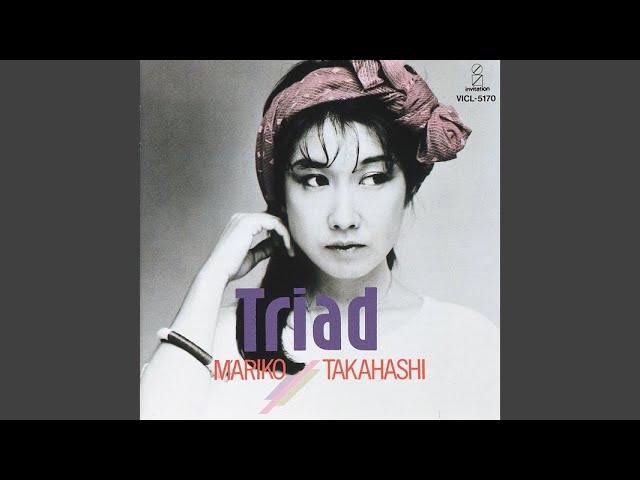
It is a masterpiece that fuses an exotic, Mediterranean-like atmosphere with an urban, sophisticated sound.
The song dreamily portrays a woman who blossoms like a flower when embraced by her lover, expressing both the beauty and the fragility of love.
Mariko Takahashi’s delicate yet powerful vocals further deepen the work’s unique world.
Released in May 1984 as the commercial song for Sanki’s “Camellia Diamond,” it was also included on the album Triad.
Highly acclaimed—including winning the Lyrics Award at the 26th Japan Record Awards—it became a long-running hit.
With a quiet mood that hints at hidden passion, this is a perfect track for spending peaceful moments with someone special.
School HeavenFingā 5

It’s the fourth single by Finger 5, a co-ed idol group from the 70s, released in March 1974.
It’s a rock ’n’ roll-style track with a super upbeat tempo, but honestly, the intro call-and-response alone is enough to get everyone hyped! The fact that many artists have released cover versions later on shows just how much this song is a timeless classic.
With so many gloomy topics in the world these days, why not forget all that for a moment, belt out the chants together, and leave your boring everyday life behind—if only for a little while!

Just by you being herekome kome CLUB

Kome Kome Club’s 13th single overall, released in May 1992.
It was used as the theme song for the Fuji TV drama “Sugao no Mama de,” and helped by the trendy-drama boom at the time, it became a massive hit, selling over two million copies.
When they debuted in 1982, Kome Kome Club had the vibe of a somewhat underground, niche band, but with the huge success of this song, I remember their image shifting to that of a very stylish J-pop band.
Even listening again now, it brings back the glamorous atmosphere of the bubble era when it was released—a song that does just that, don’t you think?