
[Flute] Masterpieces for the flute. Recommended pieces where the flute shines

The flute, a woodwind instrument that has become indispensable in classical music and wind ensembles.
This instrument has a long history and seems to have existed since ancient times.
It is said that the flute took its current form in mid-18th-century Germany.
This time, we’ve picked out pieces that will make you marvel at the flute’s range—“Can it really play notes this low as well as such high ones?”—along with virtuosic works featuring runs and rapid passages.
From classical masterpieces to wind ensemble works and even video game music, these selections showcase the flute at its finest.
Shall we discover the charm of the flute, with its gentle and beautiful tone?
- Practice pieces for beginner flutists. Recommended practice pieces.
- Timelessly beautiful classical masterpieces. Recommended classical music.
- [Piano Solo] Famous Flute Pieces Performed on Piano! A Selection of Recommended Works
- Famous Flutists of the World: Introducing Captivating, Breathtaking Masterpieces That Enthrall Audiences
- [History] A roundup of popular set pieces from the All-Japan Band Competition
- Classical masterpieces. Recommended classical music.
- Gabriel Fauré | Introduction to His Famous and Representative Works
- [Tango] Famous Tango Songs: Recommended Popular Tracks
- Today's Piano: Masterpieces and Popular Pieces Woven with Delicate Tones
- Harmonica masterpieces: world-class performances you should hear at least once
- Songs with cool trumpet. Introducing famous pieces from wind ensemble and jazz.
- Masterpieces you’ll want to play on the harmonica. Popular songs that look cool if you can play them.
- [Wind Ensemble] Wind band pieces that men like. Masterpieces of wind band music recommended for men.
[Flute] Masterpieces for flute. Recommended pieces featuring the flute (21–30)
Badinerie, No. 7 from Orchestral Suite No. 2 in B minor, BWV 1067J.S.Bach

It is one of the signature works by J.S.
Bach, a composer representative of the Baroque era.
A lively duple-meter dance with the flute in the spotlight, it is characterized by virtuosic performance.
Showcasing the flute’s appeal to the fullest, this piece has captivated many with its light, graceful melodies and brilliant tone.
It is thought to have been composed between 1717 and 1723, when Bach served as Kapellmeister at the Köthen court.
Frequently used in films, television programs, and commercials, it is beloved by a wide audience.
It is also a popular item in flutists’ repertoires and is often chosen as an encore piece at concerts.
This is a recommended work when you want to savor an elegant atmosphere that lifts the spirit.
Flute Concerto in A minorMichel Blavet

This is a celebrated work by Michel Blavet, a French composer emblematic of the Baroque era.
Composed in 1745 and rediscovered in 1954, this three-movement piece fully showcases the flute’s appeal.
It is characterized by delicate, expressive melodies and the ornamental techniques typical of Baroque music.
Especially notable is the charming pair of gavottes placed in the middle section, whose refined style reflects the French dance tradition and demonstrates Blavet’s musical sensibility and deep understanding of the flute.
Holding an important place in the flute repertoire, this work is recommended not only for classical music enthusiasts but also for anyone seeking the gentle, beautiful timbre of the flute.
[Flute] Masterpieces for Flute. Recommended pieces featuring the flute (31–40)
Sicilienne, Op. 78Gabriel Urbain Fauré

Gabriel Fauré’s Sicilienne, Op.
78.
Composed in 1893, it is one of Fauré’s best-known works.
Originally written for violin, it was later arranged for cello and piano, and for flute and piano, and has become a staple of the flute repertoire as well.
The siciliana (sicilienne) is a dance that originated in Sicily, Italy, characterized by a triple meter; its clear, singable melody combined with moments of harmonically unstable writing creates a dreamlike, evocative atmosphere.
Prélude to the Afternoon of a FaunClaude Debussy

It is Claude Debussy’s Prelude to the Afternoon of a Faun.
Composed by the French composer Debussy between 1892 and 1894, it was inspired by Stéphane Mallarmé’s poem L’après-midi d’un faune, a work Debussy greatly admired.
Debussy chose the flute—an instrument evoking the faun’s symbol, the panpipes (a type of woodwind)—as a principal instrument.
The faun’s theme begins in a register that is structurally difficult for the flute to produce, but Debussy cleverly turned this to his advantage, creating a hazy, distinctive musical atmosphere.
The piece showcases the genius of a composer often regarded as the founder of musical impressionism.
Sonatina for Flute and PianoPierre Boulez
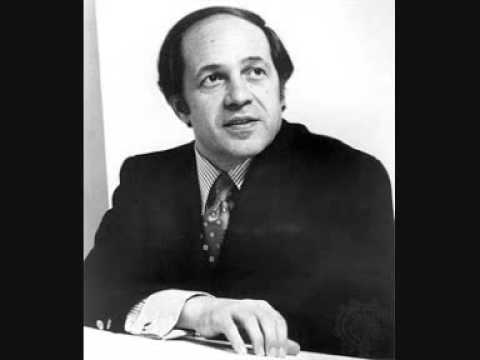
This is the Sonata for Flute and Piano by Pierre Boulez.
Composed in 1946 by the French composer and conductor Pierre Boulez, it is said to have been modeled on the Chamber Symphony No.
1 by the Austrian composer Arnold Schoenberg.
While the flute often evokes delicate, beautiful timbres, this piece is contemporary music built on virtuosity that overturns that image.
Its distinctive sound world and performance captivate listeners, making full use of the flute’s technical potential.
Recommended for those who want to experience supreme flute technique and an exhilarating musical challenge.
Flute Sonata in B-flat Major, First MovementPaul Hindemith

This is the first movement of Paul Hindemith’s Flute Sonata in B-flat major.
Hindemith was from Hanau, Germany, and worked as a composer, conductor, and violist.
He was also a versatile performer who played instruments such as the clarinet, violin, and piano, and he composed sonatas for nearly all instruments that make up the orchestra; this Flute Sonata is one of them.
B-flat major is a comfortable key for the flute, and its bright timbre resonates throughout the entire piece.
Flute Concerto in A minorAlessandro Scarlatti

This is a celebrated piece for flute by Alessandro Scarlatti, a leading figure of Baroque-era Italy.
Scored for flute, strings, and basso continuo, the five-movement work captivates with its wide-ranging musicality, from bright, energetic moods to richly expressive emotion.
It is part of a set of twelve works composed in Naples in 1715 and showcases the beauty of counterpoint and harmony characteristic of the Baroque.
The interplay between flute and strings is particularly striking, offering a passionate performance that enchants listeners.
Highly recommended not only for classical music enthusiasts but also for anyone interested in Baroque music.