

Masterpieces and history of folklore: An introduction to traditional music of the South American Andes

Traditional music of the South American Andes, known as “folklore.” The delicate tones of the quena and charango—woven by virtuosos such as Argentina’s Ariel Ramírez and Bolivia’s Ernesto Cavour—carry the region’s timeless history and rich culture into the present.
From the wistful “El Cóndor Pasa” to the passionate “Sin Ti,” masterpieces born of the Andean land continue to move hearts around the world.
We present these gems of music, alive with the heart and soul of South America.
- Masterpieces and history of folklore: An introduction to traditional music of the South American Andes
- Recommended Latin Music | Introducing Stylish Masterpieces
- [Tango] Famous Tango Songs: Recommended Popular Tracks
- Polka masterpieces. Recommended popular songs.
- [Celtic Music] Masterpieces of Celtic music. Recommended Irish music
- Carefully selected Japanese songs with a Latin flavor! Recommended J-POP brimming with exotic vibes
- Fado masterpieces. Recommended popular songs.
- [World Music] A Guide to Folk Music: A Collection of Traditional Songs from Around the Globe
- Mexican Music | Energetic Latin Tunes Make an Appearance!
- Classic salsa songs. Recommended popular tracks.
- Flamenco masterpieces. Recommended popular songs.
- Music of Passion: A Roundup of Artists Representing Latin Music
- 【2026】The State of World Music Now: Introducing Masterpieces to Enjoy Diverse Musical Cultures
Masterpieces and History of Folklore: An Introduction to Traditional Music of the South American Andes (21–30)
Misioneradesuperutaru

It’s Missionera, composed by Argentine pianist Fernando Bustamante.
The title refers to a girl from Misiones Province, one of Argentina’s provinces—essentially “the daughter of Misiones.” It’s written in the 6/8 gallopa style and is often performed on the harp.
Ben SeremosInti Irumani
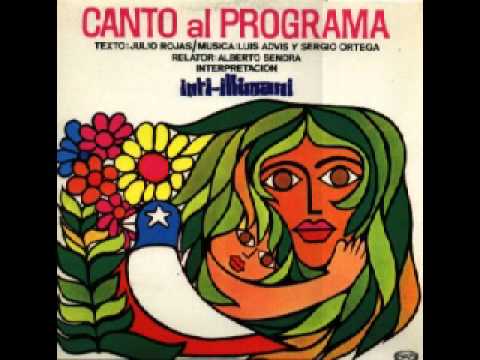
This is “Venceremos,” made famous by the Chilean folkloric group Inti-Illimani.
It was a song that supported the people up until the left-wing coalition that existed from the 1960s to the 1970s, the Popular Unity of Chile, achieved victory.
There are even stories that some continued singing this song up to the very moment they were massacred.
Masterpieces and History of Folklore: An Introduction to Traditional Music of the South American Andes (31–40)
El Humo HuaqeñoRosu Atauruparasu

The performances of Los Atahualpas, who bring the traditional music of the Andes to the world, gently enfold the listener’s heart.
Debuting in January 2011 with the album “Sounds Around the World: Sound of the Andes,” the group’s melodies seem to reflect the grandeur of Andean nature and the lives of its people.
This work, inspired by Argentina’s northwestern Humahuaca Valley, features the sounds of traditional instruments like the kena and charango resonating in crystal-clear air.
Buoyant, lively rhythms carry powerful percussion that beats like the pulse of the earth and sets the heart dancing.
A gem that conveys Andean tradition to the present day, this track has frequently been used in documentaries showcasing South American culture and landscapes, continuing to move audiences far and wide.
blue-and-white flycatcherPitagua

Chogüí Bird is a representative Paraguayan song said to have been composed by a pianist from Corrientes Province, Argentina.
It is inspired by the legend of a Guaraní boy who loved oranges, a tale from the La Plata region stretching from the Paraná River to the Paraguay River, as well as from Brazil, where the Guaraní people lived.
Festival of the AndesUnknown
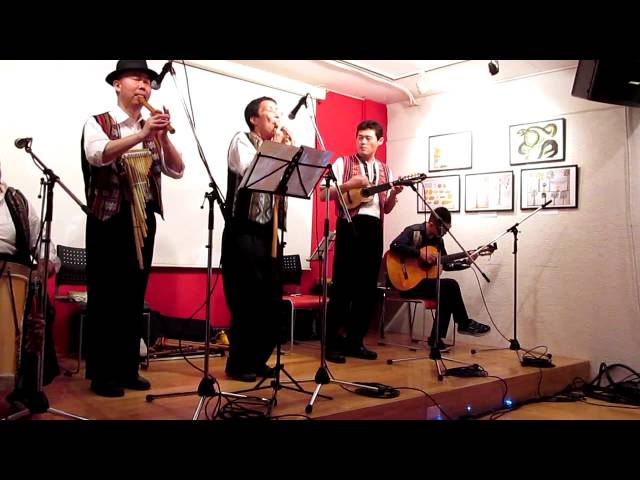
In Japan, this Bolivian folk song appears in textbooks under the title “Festival of the Andes.” It is often performed in music classes on instruments like the recorder and the melodica.
The original piece is called “La Mariposa” (meaning “butterfly”), and the lyrics vary slightly by region.
El Condor Pasa (The Condor Flies Away)Saimon & Gāfankuru
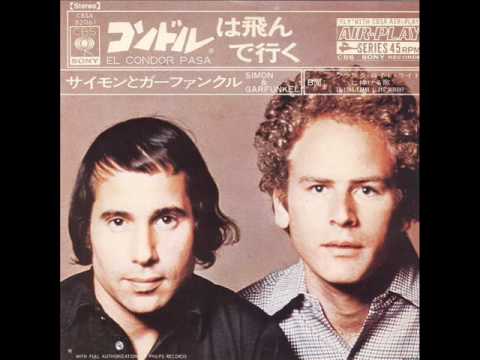
It’s “El Cóndor Pasa,” a representative piece of Andean folklore.
It was composed in 1913 by Daniel Alomía Robles, a Peruvian composer and ethnomusicologist.
The work is in three parts—Part I: Yaraví, Part II: Fox Incaico, and Part III: Huaino—but only the first part, with its plaintive melody, is widely known.
Elegy of the Vanishing IndiosKurisutina & Ūgo

This is Elegy of the Vanishing Indians by the Argentine folk duo Cristina & Hugo.
It sings of the sorrow of Indigenous people who are being subjugated in the name of civilization.
If you listen as though you were one of the Indigenous people in the Argentine mountains, you may feel as if you’re being crushed.