

Masterpieces and history of folklore: An introduction to traditional music of the South American Andes

Traditional music of the South American Andes, known as “folklore.” The delicate tones of the quena and charango—woven by virtuosos such as Argentina’s Ariel Ramírez and Bolivia’s Ernesto Cavour—carry the region’s timeless history and rich culture into the present.
From the wistful “El Cóndor Pasa” to the passionate “Sin Ti,” masterpieces born of the Andean land continue to move hearts around the world.
We present these gems of music, alive with the heart and soul of South America.
- Masterpieces and history of folklore: An introduction to traditional music of the South American Andes
- Recommended Latin Music | Introducing Stylish Masterpieces
- [Tango] Famous Tango Songs: Recommended Popular Tracks
- Polka masterpieces. Recommended popular songs.
- [Celtic Music] Masterpieces of Celtic music. Recommended Irish music
- Carefully selected Japanese songs with a Latin flavor! Recommended J-POP brimming with exotic vibes
- Fado masterpieces. Recommended popular songs.
- [World Music] A Guide to Folk Music: A Collection of Traditional Songs from Around the Globe
- Mexican Music | Energetic Latin Tunes Make an Appearance!
- Classic salsa songs. Recommended popular tracks.
- Flamenco masterpieces. Recommended popular songs.
- Music of Passion: A Roundup of Artists Representing Latin Music
- 【2026】The State of World Music Now: Introducing Masterpieces to Enjoy Diverse Musical Cultures
Masterpieces and History of Folklore: An Introduction to Traditional Music of the South American Andes (31–40)
El Humo HuaqeñoRosu Atauruparasu

The performances of Los Atahualpas, who bring the traditional music of the Andes to the world, gently enfold the listener’s heart.
Debuting in January 2011 with the album “Sounds Around the World: Sound of the Andes,” the group’s melodies seem to reflect the grandeur of Andean nature and the lives of its people.
This work, inspired by Argentina’s northwestern Humahuaca Valley, features the sounds of traditional instruments like the kena and charango resonating in crystal-clear air.
Buoyant, lively rhythms carry powerful percussion that beats like the pulse of the earth and sets the heart dancing.
A gem that conveys Andean tradition to the present day, this track has frequently been used in documentaries showcasing South American culture and landscapes, continuing to move audiences far and wide.
My homeland, BoliviaUnknown

This is a cueca, a dance in 6/8 time, called “My Homeland Bolivia.” It’s so beloved that it’s often referred to as the second national anthem, and it’s frequently sung whenever Bolivians gather.
You can also hear massive sing-alongs at international soccer matches, so check it out if you get the chance.
Como AcechoGurūpo Andīno
Composed by Zomro Flores, “Como Acecho” is Grupo Andino’s breakthrough work and an immortal masterpiece.
It is performed in the Saya–Caporal style.
“Saya” is a mulatto-derived rhythm centered in the Yungas region of eastern Bolivia, developed from the rhythms of Africans brought there as forced laborers.
“Caporal” means the leader of the slaves, and refers to a performance and dance that developed from the Saya.
Misa CriollaArieru Ramiresu

This is the Misa Criolla, composed by Ariel Ramírez, a composer born in Santa Fe, Argentina.
It is a Mass that means “the earth,” based on South American rhythms: chacarera, carnavalito, and estilo pampeano.
Thank you, life.Bioretta Para

This is Gracias a la vida (Thanks to Life), written and composed by the Chilean folklorist Violeta Parra.
Parra sought social change through song and led movements toward that end.
The piece flows in the 6/8 rhythm of the sirilla lento, a dance rhythm from Chiloé Island in Chile.
Masterpieces and history of Folklore: Explaining traditional music of the South American Andes (41–50)
IllimaniWARA

It’s “Illimani,” composed by Néstor Portocarrero.
The style is a beautiful La Paz–influenced tango known as tango paceña.
The song is about Mount Illimani, the sacred peak that symbolizes La Paz, Bolivia, and it is said to be the city’s second anthem.
Shin Tiayopayaman ta
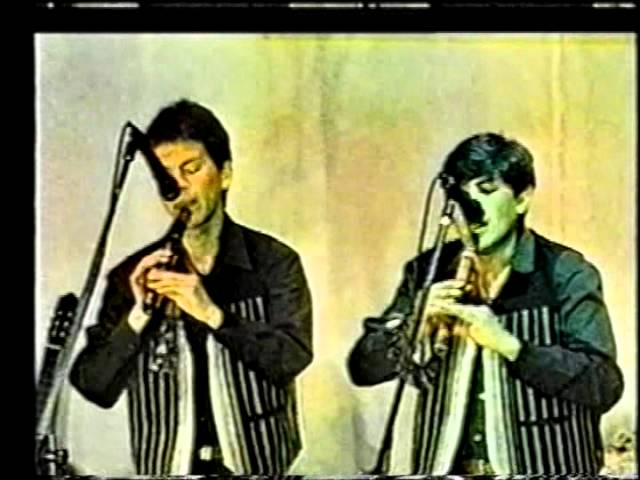
“Sin Ti” is a Uruguayan-style folklore piece that uses the rhythm of candombe, an Afro-Uruguayan dance.
Its composer is unknown, and the lyrics vary by performing group, but it’s a passionate love song that declares, “I can’t live without you anymore.”