

Nursery rhymes, folk songs, and children's songs about food

“Food” is something very familiar to children, isn’t it?
When they start speaking, many first learn words like “mamma,” or they remember the names of their favorite foods.
In this article, we’ve picked out “songs about food” from among many nursery rhymes.
We’ll introduce plenty of songs that feature foods kids love, like fruit, bread, and curry rice.
Some of them aren’t just for singing—you can enjoy hand games and dancing, too.
Even children who find eating difficult or are picky eaters might enjoy singing these songs.
It would be great if singing during mealtimes helps them have more fun and eat a little more.
- [Food Songs] Popular Japanese songs that use names of foods
- [Rice Songs] A selection of tracks where food appears in the lyrics!
- Vegetable Song: A Recommended Food Education Song for Children
- [2026] Candy and sweets songs: sugary tunes that make you crave dessert when you listen
- [Hand Play] Popular with kids! A collection of trendy hand-play songs and nostalgic traditional children’s songs
- [Animal Song] Fun nursery rhymes popular with children
- Snake Song: Children's song, nursery rhyme, and hand-play song
- [2026] Songs about cooking: A roundup of recommended Japanese classics
- Nursery rhymes to sing in spring: a collection of classic songs you'll want to sing with your children
- [Children’s Songs of Autumn] Autumn songs, school songs, and traditional children’s rhymes. A collection of classic pieces to sing in autumn.
- A lunchbox song to sing with kids. A bento song that makes school lunch more fun.
- [Children’s Songs for June] Fun finger-play songs and traditional nursery rhymes perfect for the rainy season
- [Vegetable Songs] Unexpected artists too!? A roundup of recommended tracks
Children’s songs, folk songs, and nursery rhymes about food (21–30)
Drops SongDaichi Omi

One of the children’s songs broadcast on NHK’s “Minna no Uta” and “Okaasan to Issho,” it likens the drops everyone eats to the tears of ancient gods.
Perhaps they become drops because they’re the gods’ tears… I do hope every tear could turn into drops.
If that happened, children would surely regain their smiles right away!

A bamboo shoot has sprouted.warabeuta asobi
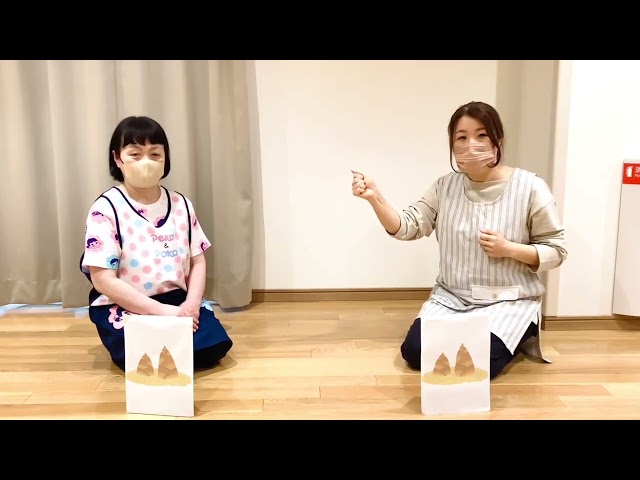
A children’s hand-play song that vividly expresses the growth of bamboo shoots, which are in season from spring to early summer.
Through hand motions, kids enjoy the story of a sprout emerging from the soil, a flower blooming with a pop, and finally being snipped with scissors.
Because the rock-paper-scissors hand shapes—fist, scissors, and open hand—are naturally built into the actions, it’s also perfect for helping children learn the rules of the game.
Though it’s a traditional folk song passed down through generations, its introduction on children’s programs like those on NHK has helped it become a familiar group activity in preschools and kindergartens.
It typically ends with everyone chanting “Essa, essa!” together and deciding the winner with rock-paper-scissors.
On a fresh May day under the blue sky, get moving energetically with your family and friends!
Shopping at the bakeryuta no mama papa

Seeing all the breads lined up at the bakery makes you excited and wonder which one to choose, doesn’t it? This charming hand-play song sung by Uta no Mama Papa captures the fun of shopping at just such a bakery.
It features a parade of breads that kids love, like sandwiches and melon bread.
The lively back-and-forth with the shop clerk makes you feel as if you’re playing store together.
First released in January 2009, the song has been included in many collections of children’s songs, such as the album “Columbia Kids: With Children! With Grandchildren! Let’s Learn and Sing – Nursery Rhymes and Play Songs.” It’s perfect for singing along with hand motions as a parent and child, and also as background music for pretend play.
If you sing it with kids who love bread, everyday snack time will become even more fun!
Goodbye, ankoro mochi.

A playful wordplay centered on the traditional Japanese sweets “ankoro mochi” and “kinako,” imbued with the wish to meet again, leaves a strong impression.
By singing with hand games and gestures, it nurtures children’s creativity and communication skills.
In nursery schools and kindergartens, puppets are often used to perform it so that children can enjoy their farewell time.
Passed down for many years as a traditional song, this piece has been included in numerous childcare-related books and CDs as a teaching material that supports children’s emotional development.
It’s also a recommended song for parents and children to enjoy singing together while experiencing Japan’s traditional culture.
Takoyaki

When you think of summer, you think of festivals; when you think of festivals, you think of food stalls; and then, of course, piping-hot takoyaki…
Let me introduce the fun hand-play song “Takoyaki” that naturally brings up those associations.
Its streamlined, simple melody and lyrics, along with easy-to-understand moves you can get at a glance, make it very easy to learn—even little kids can grasp it right away, which is great.
The clever touch of letting you learn the vowels a, i, u, e, o at the end of the lyrics is also delightful.
By all means, tie on a headband and enjoy it as if you were actually making takoyaki at a festival stall!

Tonton Tomato-chan
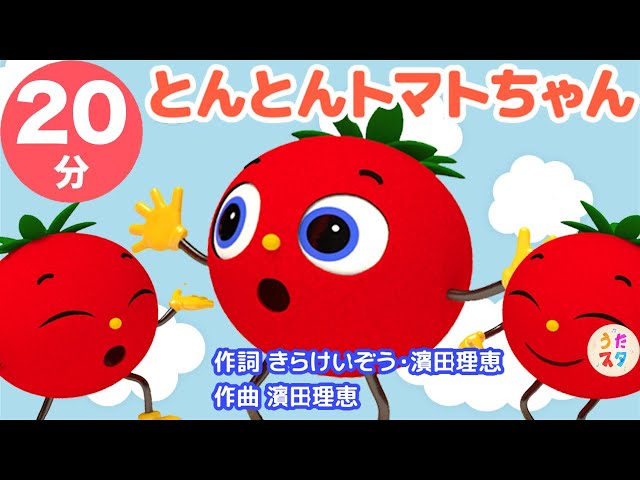
With its gentle vocals and refreshing melody, “Ton-ton Tomato-chan” is perfect as a July children’s song! Speaking of summer vegetables, there are tomatoes, cucumbers, and more.
Celebrating the tomato, which is delicious even in summer, “Ton-ton Tomato-chan” has a pleasant rhythm and is a nursery rhyme that even babies from 0 years old can enjoy.
Its comfortable tempo also makes it a relaxing song.
It’s also recommended to move your body to the music with kids while holding maracas or handmade instruments.
Have fun with it!

The Bento Box SongSakushi: Kayama Yoshiko / Sakkyoku: Kobayashi Akihiro

This is a fingerplay song, beloved by children, that cheerfully introduces the contents of a lunchbox.
Miyako Kayama’s warm lyrics perfectly match Akihiro Komori’s bright, friendly melody, resulting in an uplifting tune.
It’s fun to sing while doing the hand motions, and the lively storytelling is part of its charm.
Released as a single by Nippon Columbia in August 1978, the song was featured on NHK’s “Okaasan to Issho” and the Nippon TV network’s “Ohayō! Kodomo Show,” gaining widespread popularity.
It’s a delightful song that makes moments centered on food—like packing lunches or getting ready for a field trip—even more enjoyable.