

Easy-to-sing karaoke songs: Classic picks for women in their 40s


What songs do you choose when you go to karaoke for a second round after a work party or when you get together with friends? If it’s been a while since you last sang, you might wonder, “Can I still sing the songs I used to back then?” or “Which songs can I sing comfortably without straining my voice?” In this article, we’ll introduce plenty of songs that women can sing comfortably and enjoy at karaoke.
From tracks that are easy to match in key to heartfelt ballads, we’ve selected a wide range—add them to your repertoire for your next karaoke outing!
- [For People in Their 40s] Karaoke Songs That Are Easy to Sing: 2026 Ranking
- [Women in Their 40s] Even If You’re Tone-Deaf, You Can Sing! Karaoke Songs That Fit a Woman’s Vocal Range
- [Karaoke] A roundup of songs that are easy for women to sing!
- Famous songs we’d like women in their 40s to sing, by age group
- [2026 Edition] Karaoke Songs That Will Get the Crowd Going—Perfect for Women in Their 40s
- [Calling all low-voiced women in their 40s!] Songs that are easy to sing at karaoke
- A must-see for low-voiced women! Popular songs that are easy to sing at karaoke
- [For Women in Their 40s] A Collection of Songs That Score High at Karaoke [2026]
- Popular Japanese songs among women in their 40s: recommended classics and standard hits
- Karaoke songs that are easy to sing even if you’re not confident in your pitch (for women in their 50s)
- [Recommended for women in their 30s] Popular and latest songs that are easy to sing at karaoke
- Uplifting songs recommended for women in their 40s
- Even if you’re tone-deaf, it’s okay! Easy karaoke songs for women
Karaoke Songs That Are Easy to Sing [Classic Picks for Women in Their 40s] (181–190)
I’m only gazing at you.Daikoku Maki

Maki Ohguro, an artist born in Sapporo, Hokkaido, has captivated many fans with her powerful vocals and compelling performances.
She began playing in bands during high school and made her debut in 1992.
Since then, she has enlivened the music scene with songs rooted in pop while incorporating a wide range of genres such as rock and R&B.
Known for her strong vocals and catchy melodies, she received the Excellent Work Award at the Japan Record Awards and was named one of the Best 5 Artists at the Japan Gold Disc Awards in 1995.
After overcoming a period of hiatus, she continues to be highly active today.
Her worldview—expressed through powerful singing and lyrics that resonate with the heart—is a perfect match for listeners seeking both the vigor and warmth that music can offer.
The Maiden with Flaxen HairShimatani Hitomi
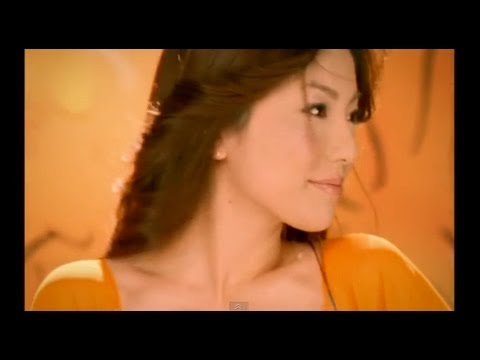
Released by Hitomi Shimatani in May 2002, this song is a celebrated piece that portrays a refreshing romance.
It expresses a young girl’s feelings of love through dreamlike imagery, beautifully harmonizing with scenes of landscape and nature.
The lyrics, imbued with youth and purity, are complemented by her clear, translucent vocals, capturing the brilliance of innocent love in full.
Featured in a commercial for Kao Essential Damage Care Shampoo, it became a major hit, peaking at No.
4 on the Oricon Weekly Chart.
With its broad, expansive melody and an elegant tone that sways like hair in the wind, it carries a familiar charm that invites everyone to hum along.
To my belovedkawanaka miyuki

Listening to the chorus of this song, many people who know the ’90s well probably recalled the TV commercial for House Foods’ instant ramen “Umaissho.” Released in 1994 as a single by Miyuki Kawanaka, it’s packed with J-pop flavor and sits a bit apart from classic enka, making it an approachable choice for karaoke even if you’re not into full-on enka.
Of course, techniques honed in enka—like vibrato—appear throughout, but it’s nice that the melody still feels great to sing even without vibrato.
Once you’re comfortable, listen closely to Kawanaka’s original performance and try gradually incorporating some vibrato.

Desert of the Moonkawanaka miyuki

It’s a famous 1990s song by Miyuki Kawanaka, notable for its graceful strings and a hint of kayōkyoku flavor.
Kawanaka also holds back on overt enka-style techniques in her vocals, so it might be an easy entry point for those who don’t yet feel confident singing full-on enka.
The overall vocal range is relatively narrow, the pitch isn’t very high, and the melody is easy to remember, so many people will likely find it comfortable to sing at karaoke.
One point to watch: be careful not to let it become too flat or monotonous—focus on clearly articulating the lyrics as you sing.
a coquettish moodkawanaka miyuki

With its bouncy rhythm and Japanese-style arrangement, “Enya na Kibun” is the kind of song that makes you want to clap along and sway your body—you should definitely try singing it at karaoke.
Released in 2009 as a single by Miyuki Kawanaka, it’s a track that fills you with energy as you listen to her playful yet somehow gentle voice.
Kawanaka’s signature vibrato appears throughout, but there aren’t any intimidating high notes, and it’s a song you can enjoy even if you can’t do vibrato.
So first, try singing it without overthinking.
Once you get used to it, practice adding a bit of vibrato little by little!