

[For Men in Their 40s] Easy-to-Sing Karaoke Songs and Guaranteed Crowd-Pleasers


Have you ever found yourself at karaoke thinking, “I wish there were songs I could sing comfortably and enjoyably without pushing myself”? You might want to sing the latest hits, but the key is too high or the tempo too fast, so you end up choosing the same classics over and over…
For people like that, this article introduces a wide range of songs that are easy to sing and can liven up a karaoke session, including generational favorites for men in their 40s.
From nostalgic hit songs to the hottest tracks of today, you’re sure to find a tune that grabs the room’s attention without having to belt it out.
Use this as a guide to find new repertoire to show off at your next karaoke outing!
- Even if you’re tone-deaf, it’s okay! Easy karaoke songs for men in their 40s
- [Men in Their 50s, Gather Up!] Classic Karaoke Crowd-Pleasers & Easy-to-Sing Hits
- Karaoke songs for men in their 40s: a curated selection of hit tracks women want to hear!
- Karaoke songs recommended for men with low voices or who are good at singing in a low register
- [For People in Their 40s] Karaoke Songs That Are Easy to Sing: 2026 Ranking
- Recommended Japanese pop songs for karaoke for men in their 40s
- [For men in their 40s] That nostalgic song you can enjoy at karaoke!
- Even karaoke beginners can relax! Easy-to-sing songs for men
- Songs popular among men in their 40s. Timeless classics that bring back memories.
- [Even If You're Tone-Deaf, It's Okay!] Easy-to-Sing Karaoke Songs and Practice Tracks
- Karaoke songs where even men with low voices can aim for high scores
- [For Men in Their 40s] A Collection of Songs That Score High at Karaoke [2026]
- This is a sure hit! Hype songs men will want to sing as the first track at karaoke
[For men in their 40s] Easy-to-sing karaoke songs and surefire crowd-pleasers (161–170)
The White LoversKuwata Keisuke

As a solo artist, Keisuke Kuwata’s seventh single overall, released in October 2001.
It was used as the song for Coca-Cola’s “No Reason” campaign commercials, in which Kuwata himself appeared, as well as for UNIQLO’s “LifeWear/HEATTECH: Winter Is the Time to Go Outside” commercials.
You could truly call this a staple of late-’90s to early-2000s J-pop.
Many songs from that era are very easy to sing, and this ballad is no exception—it’s something anyone can casually sing and enjoy.
It might even be fun to sing it while doing a Kuwata-style impression, don’t you think?

I won’t fall in love anymore.Makihara Noriyuki
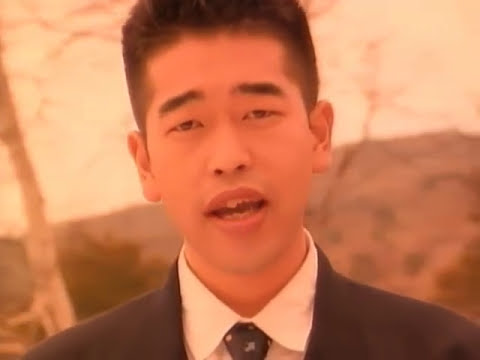
A signature work by Noriyuki Makihara, distinguished by its heartwarming melody that wraps both the ache of heartbreak and a brave facade.
It gently portrays memories of a former lover and the nostalgia of everyday life, and the protagonist’s resolve to move forward resonates with listeners.
Released in May 1992, it was chosen as the theme song for the NTV drama “After the Children Are Asleep.” Included on the album “Kimi wa Boku no Takaramono,” it became a major hit, ranking 7th on Oricon’s year-end chart.
This song supports those standing at a crossroads in life.
When you gather with friends for karaoke, its universally relatable lyrics and melody are sure to warm your heart.
MELODYFukuyama Masaharu

“MELODY” expresses a straightforward desire to stay with the precious person right in front of you, even if you sometimes miss each other.
It was released in 1993 as a double A-side single together with “BABY BABY.” Its friendly, easy-to-remember melody makes it an easy song to sing.
The key is slightly on the higher side, so it may be comfortable for those who struggle with low notes.
Conversely, if your voice is lower, dropping the key just a little will make it easier to sing.
Enjoy singing it while taking in the song’s refreshing vibe!

That’s all.Fukuyama Masaharu

A pop number that sings about straightforward love, “Sore ga Subete sa.” Released in 2003 as part of a triple A-side single alongside “Niji” and “Himawari,” the song drew attention for being featured in a Pocari Sweat commercial.
One of the reasons it’s so easy to sing is its catchy melody that gets everyone excited and singing together.
Another appeal is how memorable it is thanks to that melody and its simple, straightforward lyrics.
You’ll want to watch out for the rap part in the middle, but overall it’s a song you can sing relaxed and have fun with!
Romantic Flightkome kome CLUB

Songs that continue to be loved across generations often have melodies with a universal appeal that anyone can sing.
Kome Kome Club’s signature song “Roman Hikō” is truly a timeless classic passed down through the ages.
Released in 1990, it was a massive hit that boosted the band’s mainstream recognition, and for those now in their mid-to-late 40s, it’s likely a nostalgic tune that brings back memories of their elementary or middle school days.
When singing it at karaoke, be mindful of the contrast between the low notes in the verse and the soaring high notes in the chorus, and take care not to go off pitch when the key changes in the final chorus.

Asakusa KidSuda Masaki × Kiritani Kenta

Masaki Suda and Kenta Kiritani star in the 2017 film Hibana, based on a novel by Naoki Matayoshi.
The song Asakusa Kid was used as its theme.
It’s a famous track written and composed—and originally sung—by Beat Takeshi.
Tied to a story that portrays the struggles of comedians, Beat Takeshi’s song was released in 1986, making it an easy one to perform even when you go to karaoke with people from that generation.
There are hardly any high notes, so it’s easy to sing even for those with lower voices.
It also sounds cool as a duet.

TRUE LOVEFujii Fumiya

For those of you now in your 40s who spent your teenage years in the 1990s, you might associate Fumiya Fujii more with his work as a solo artist than with The Checkers.
Fujii is active in many fields beyond music, but his most famous song as a solo singer is TRUE LOVE, released in 1993 as his solo debut single.
It’s fascinating that there are many anecdotes surrounding the song’s creation—such as the fact that Fujii had no prior experience composing before writing it, and that the odd time signature in the intro came from a mistake he made while recording the demo, which was kept as is.
It’s a massive hit so iconic it appears in textbooks and remains a karaoke favorite, yet it’s based on classic chord progressions and features a straightforward melodic development, making it very easy to sing.
One point to note: in the first chorus he sings certain parts in falsetto, while in the second chorus he sings those parts in chest voice—so keep that in mind and deliver it with strength.